
 The Skin Finity
 We spend countless hours searching for that elusive glow, often focusing on tone and blemishes. But the true secret to a radiant, healthy-looking complexion lies just beneath the surface—literally. Your skin texture is the canvas upon which everything else rests. It’s the difference between skin that looks airbrushed and reflective and skin that feels rough, bumpy, or uneven to the touch. Understanding what defines smooth versus rough skin texture, what disrupts it, and how to effectively improve it is the cornerstone of any serious skincare journey. This comprehensive guide will walk you through everything you need to know, from the root causes of texture concerns to a step-by-step action plan featuring the best products and ingredients for the job.
What is Skin Texture? Defining Smooth vs. Rough
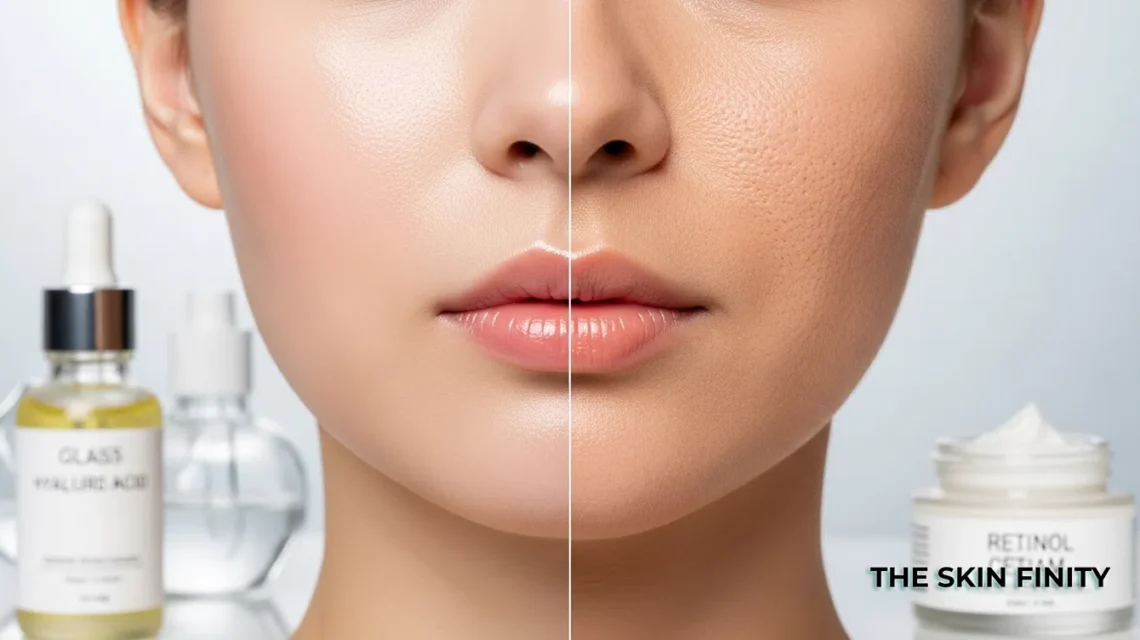
Skin texture refers to the surface topography of your skin—its landscape of peaks and valleys. It’s distinct from skin tone, which deals with color and pigmentation. Think of it this way: tone is the color of a wall, while texture is whether that wall is perfectly smooth plaster or bumpy, textured stucco.
The Hallmarks of a Smooth Skin Texture
Smooth skin has a soft, even, and uniform surface. It reflects light evenly, creating that sought-after lit-from-within glow. When you run your fingers over it, it feels supple and seamless. Pores are minimized and clean, and there’s an overall clarity and refinement. This smoothness is often an external sign of a deeply healthy and well-functioning skin barrier, where hydration is locked in, and cell turnover is efficient.
Identifying Rough or Uneven Skin Texture
Rough or uneven skin texture, on the other hand, presents a variety of challenges. It can feel bumpy or sandpapery to the touch and appear dull because light scatters unevenly across its surface. Common visual and tactile signs include:
- Bumpiness: Small, rough bumps often associated with closed comedones, keratosis pilaris, or what’s sometimes called “orange peel skin.”
- Enlarged or Clogged Pores: Pores that appear more prominent, often stretched with excess oil and debris.
- Dryness and Flakiness: Patches of dead skin cells that sit on the surface, creating a rough, lackluster finish.
- Scarring: Both pitted (atrophic) and raised (hypertrophic) acne scars that create physical indentations or elevations.
- Fine Lines and Wrinkles: The early signs of aging that break up the skin’s smooth plane.
Recognizing these signs is the first step toward addressing them.
What Causes Rough or Uneven Skin Texture?
Texture issues don’t appear overnight. They’re the result of a combination of factors working over time. By understanding the causes, you can better tailor your approach to improvement.
Intrinsic Factors: Aging and Genetics
Time is a primary player. As we age, our natural collagen production declines, and the rate of skin cell renewal slows. This leads to a thinning of the skin, a loss of plumpness, and the formation of fine lines and wrinkles—all contributing to a less smooth surface. Genetics also play a role, influencing your pore size, your skin’s tendency to produce oil, and predispositions to conditions like keratosis pilaris, which causes rough, bumpy patches.
Extrinsic Factors: Environment and Lifestyle
Our daily environment takes a significant toll. Cumulative sun damage (photoaging) is the single biggest external cause of texture change, breaking down collagen and elastin fibers. Pollution particles can settle into pores and cause inflammation. Lifestyle choices like a diet high in sugar (which can lead to glycation, damaging collagen), chronic dehydration, smoking, and poor sleep all accelerate the degradation of a smooth complexion by hindering skin repair and renewal.
Skin Conditions and Post-Inflammatory Effects
Active skin conditions are direct culprits. Acne, eczema, and psoriasis all disrupt the skin’s surface. Perhaps more commonly, it’s the aftermath—the post-inflammatory effects—that linger. After a pimple heals, it can leave behind an acne scar (a physical texture change) or post-inflammatory hyperpigmentation (a color change that can make texture appear more uneven). Managing these conditions proactively is key to preventing long-term texture damage.
How to Improve Skin Texture: Your Action Plan
Transforming your skin texture is absolutely achievable with a strategic, consistent approach. It revolves around three core pillars: a rock-solid daily skincare routine, the strategic use of powerhouse ingredients, and, for some, professional treatments. Patience and consistency are your greatest allies here, as true change happens at the cellular level over weeks and months.
The Foundational Skincare Routine for Better Texture
You cannot out-treat a bad routine. A consistent, four-step regimen creates the healthy baseline necessary for active ingredients to work their magic.
Step 1: Gentle Cleansing
Start and end your day by removing impurities without compromising your skin barrier. Harsh, stripping cleansers can exacerbate roughness and dryness. Opt for a gentle, pH-balanced cream, gel, or lotion cleanser that effectively removes dirt, oil, and makeup without leaving your skin feeling tight or squeaky-clean.
Step 2: Targeted Treatment (The “Active” Step)
This is where you apply your concentrated serums and treatments designed to improve skin texture. This step addresses your specific concerns, whether it’s exfoliation, boosting collagen, or hydrating deeply. Allow these products a moment to absorb before moving on.
Step 3: Hydration and Moisturization
Hydrated skin is plump, resilient, and smooth. Even oily skin needs hydration. Use a hydrating serum with ingredients like hyaluronic acid to draw water into the skin, followed by a moisturizer to seal that moisture in. For dry skin, a richer moisturizer with ceramides and fatty acids is essential for barrier repair and creating a smooth, soft surface.
Step 4: Daily Sun Protection
This is non-negotiable. Sun damage unravels all your other efforts by degrading collagen and causing premature texture changes. Apply a broad-spectrum SPF 30 or higher every single morning, rain or shine. It is the ultimate anti-aging and texture-preserving product in your arsenal.
Power Ingredients to Transform Your Skin Texture
This is the engine of your texture transformation. Knowing which ingredients to use and how they work empowers you to choose the best products for uneven skin texture.
Exfoliants: AHAs, BHAs, and PHAs
Exfoliation is the cornerstone of improving texture. It works by dissolving the “glue” that holds dead, dull skin cells to the surface, promoting their removal and revealing the smoother, brighter skin beneath.
- AHAs (Glycolic Acid, Lactic Acid): Water-soluble acids that work on the skin’s surface. Glycolic acid exfoliation is excellent for improving overall dullness, smoothing fine lines, and addressing surface dryness. Lactic acid is slightly gentler and more hydrating.
- BHAs (Salicylic Acid): Oil-soluble acids that can penetrate deep into pores. Salicylic acid for pores is ideal for oily, bumpy skin texture, as it exfoliates inside the pore lining to clear out clogged debris, blackheads, and whiteheads.
- PHAs (Gluconolactone): A newer generation of gentle acids that offer exfoliation benefits with minimal irritation, perfect for sensitive skin.
Retinoids: The Gold Standard for Renewal
Retinoids, like retinol, are vitamin A derivatives widely regarded as the most effective over-the-counter ingredient for comprehensive texture improvement. They work by speeding up cellular turnover, fading post-acne marks, stimulating collagen production to soften fine lines and scars, and even refining pore appearance. Starting with a retinol cream several nights a week can fundamentally transform your skin’s smoothness over time.
Antioxidants: Vitamin C and Niacinamide
These ingredients protect and correct, making them perfect partners to exfoliants and retinoids.
- Vitamin C: A powerhouse antioxidant that brightens the complexion, helps fade dark spots that can accentuate texture, and supports collagen synthesis. Using vitamin C for texture in your morning routine also helps defend against environmental damage.
- Niacinamide: This multi-tasking vitamin B3 derivative is a hero for texture. Its benefits include strengthening the skin barrier, reducing inflammation, minimizing the appearance of pores, and regulating oil production. It’s suitable for all skin types, including sensitive skin.
Hydrators: Hyaluronic Acid and Peptides
Plumping the skin with hydration can make textural imperfections less noticeable instantly.
- Hyaluronic Acid: A molecule that can hold up to 1000 times its weight in water. A hyaluronic acid serum applied to damp skin draws in moisture, causing skin to swell slightly and look smoother, firmer, and more dewy. It’s a must for improving the look of rough, dehydrated skin.
- Peptides: These short chains of amino acids act as messengers, signaling the skin to produce more collagen. Supporting your skin’s collagen infrastructure helps maintain long-term smoothness and firmness.
Natural and At-Home Supporting Strategies
While products are crucial, supporting your skin from the inside out amplifies your results for how to improve skin texture naturally.
- Diet: Focus on an antioxidant-rich diet full of colorful fruits and vegetables, healthy fats (like omega-3s from fish and nuts), and lean proteins. Limit sugar and high-glycemic foods, which can promote inflammation and collagen breakdown.
- Hydration: Drink ample water throughout the day. Well-hydrated skin cells function better and plump up the skin’s surface.
- Gentle Techniques: Incorporate a soft, damp washcloth for very light manual exfoliation a few times a week, or try a silicone cleansing brush for a deep yet gentle clean. Always follow with hydration.
When to Consider Professional Treatments
For persistent, deep, or severe texture concerns like significant acne scarring or deep wrinkles, in-office treatments offer a powerful next step. Procedures like professional chemical peels, microneedling, laser resurfacing, and dermaplaning can achieve results that topical products cannot. Always consult a board-certified dermatologist or licensed aesthetician to determine the safest and most effective path for your skin.
Building Your Routine: Tips for Different Skin Types
Tailoring your approach ensures efficacy and prevents irritation. Here’s how to focus your efforts:
For Dry and Rough Skin Texture
Prioritize barrier repair and gentle exfoliation. Use creamy cleansers, hydrating toners, and gentle AHAs like lactic acid or PHAs. Follow with a rich moisturizer containing ceramides, shea butter, or squalane. Hyaluronic acid is your best friend here. Avoid over-cleansing and harsh physical scrubs.
For Oily and Bumpy Skin Texture
Focus on pore decongestion and oil regulation. Use a foaming or gel cleanser, and incorporate a BHA (salicylic acid) exfoliant 2-3 times a week to clear pores. Niacinamide is a star ingredient for balancing sebum and minimizing pores. Choose lightweight, oil-free, non-comedogenic moisturizers. Don’t skip moisturizer—dehydrated oily skin can overproduce oil.
For Sensitive and Uneven Skin
The motto is “slow and low.” Patch test every new product. Introduce one active ingredient at a time, starting with low concentrations. Soothing ingredients like centella asiatica, aloe vera, and niacinamide are foundational. You may tolerate gentle PHAs or azelaic acid well. Always buffer retinoids with moisturizer and listen to your skin, backing off if you experience stinging or redness.
Your Questions on Skin Texture, Answered
How to improve skin texture naturally?
Natural improvement focuses on supporting skin health holistically. A nutrient-dense diet rich in vitamins C and E, zinc, and omega-3s provides building blocks for repair. Staying impeccably hydrated plumps skin cells. Gentle at-home practices like using a soft muslin cloth for light exfoliation or applying raw honey (a natural humectant and anti-inflammatory) as a mask can supplement your routine. Remember, consistency with a basic, gentle skincare routine is still the most effective natural foundation.
What are the best products for uneven skin texture?
The best products are those that contain proven active ingredients. Look for a chemical exfoliant (like a glycolic acid toner or salicylic acid cleanser), a retinoid serum or retinol cream, a hydrating serum with hyaluronic acid, and a moisturizer suited to your skin type. Key product categories to research are exfoliating toners, treatment serums (with vitamin C, niacinamide, or peptides), and barrier-repair moisturizers. The formulation and ingredient concentration matter more than the brand name.
What causes rough skin texture on the face?
The most common causes are a buildup of dead skin cells due to slowed natural exfoliation, sun damage which breaks down collagen, chronic dehydration, untreated acne or its scarring, and environmental damage from pollution. Lifestyle factors like a poor diet, lack of sleep, and smoking also contribute significantly by impairing the skin’s natural renewal and repair processes.
Is retinol good for improving skin texture?
Yes, retinol is considered one of the most effective over-the-counter ingredients for improving skin texture. It works at a cellular level to accelerate turnover, slough off rough, dead skin, and boost collagen and elastin production. This leads to smoother skin, diminished fine lines, softened acne scars, and refined pores. Start with a low concentration (0.25% or 0.3%) applied 1-2 nights a week, gradually increasing frequency as your skin tolerates it. Always use sunscreen during the day, as retinoids increase sun sensitivity.
How can I get smooth skin texture at home?
You can achieve remarkable results at home with a dedicated routine. Commit to a simple four-step regimen: 1) Cleanse gently every night. 2) Exfoliate with a chemical exfoliant (AHA or BHA) 2-3 times per week. 3) Moisturize diligently every morning and night to maintain hydration. 4) Apply sunscreen without fail every single morning. This consistent process removes roughness, encourages renewal, and protects your progress, forming the core of any effective at-home strategy for smooth skin.
What is the best exfoliation routine for better skin texture?
For most skin types, chemical exfoliation 2-3 times per week is ideal. A sample routine: Use a BHA (salicylic acid) product on nights you focus on clogged pores and oiliness, and an AHA (glycolic or lactic acid) product on nights you focus on surface dullness and fine lines. Never use them together on the same night. Always listen to your skin—if it feels tight, red, or stings, reduce frequency. Sensitive skin may start with once a week using a PHA or very low-concentration AHA.
Can hyaluronic acid help with rough skin improvement?
Absolutely. While hyaluronic acid is not an exfoliant that removes roughness, it is a critical ally in improving the appearance of rough skin. By binding massive amounts of water to the skin, it provides intense hydration that plumps up the surface. This plumping effect can temporarily make fine lines, minor scars, and dry patches appear less noticeable, creating a smoother, more supple canvas. For best results, apply a hyaluronic acid serum to slightly damp skin and immediately seal it in with a moisturizer.
Do you have tips for smoothing bumpy skin texture?
For general bumpiness, consistent chemical exfoliation is key. If bumps are flesh-colored and concentrated on cheeks/forehead (closed comedones), salicylic acid is your best bet. For small, rough bumps on arms or cheeks (often keratosis pilaris), gentle AHAs like lactic acid combined with consistent moisturizing with urea-based creams can help. Avoid picking or scrubbing aggressively, as this worsens inflammation. A dermatologist can provide targeted solutions if over-the-counter methods aren’t enough.
Your Path to a Refined Complexion
The journey to smoother, more radiant skin is a marathon, not a sprint. It begins with understanding the unique landscape of your skin—identifying whether you’re dealing with rough bumps, fine lines, enlarged pores, or a combination. From there, you can dismantle the causes, from sun protection to smarter lifestyle choices, and build a routine that actively works for you. Remember the power of consistent cleansing, strategic exfoliation, collagen-boosting retinoids, protective antioxidants, and deep hydration. Whether your skin is dry, oily, or sensitive, there is a path forward tailored to your needs. Start by auditing your current products, introduce one new powerhouse ingredient at a time, and give your skin the patience it requires to renew itself. With knowledge and consistency, a smoother, healthier, and truly glowing texture is well within your reach.


 The Invisible Architects: How Your Hormones Dictate Your Skin’s Health, Glow, and Age
  The Ultimate Skincare Routine for Night Shift Workers: Adapting Your Regimen to Irregular Sleep
  Fading Sun Damage: Your Expert Guide to Reversing Spots and Uneven Tone
  Niacinamide Benefits: The Science of Calming Inflammation and Evening Skin Tone
  Building a Minimalist Skincare Routine for Busy Professionals
 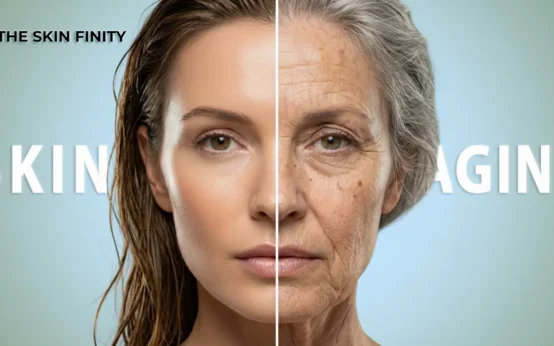 The Science of Skin Aging: What Happens as You Get Older