
 The Skin Finity
 Have you ever stood in front of your bathroom shelf—or worse, a dazzling, overwhelming skincare aisle—and wondered, “What’s the real difference between a serum and a moisturizer?” You’re not alone. In the quest for glowing, healthy skin, it’s easy to get lost in a sea of bottles and jars, questioning if you need both or if one is secretly just a fancy, overpriced version of the other.
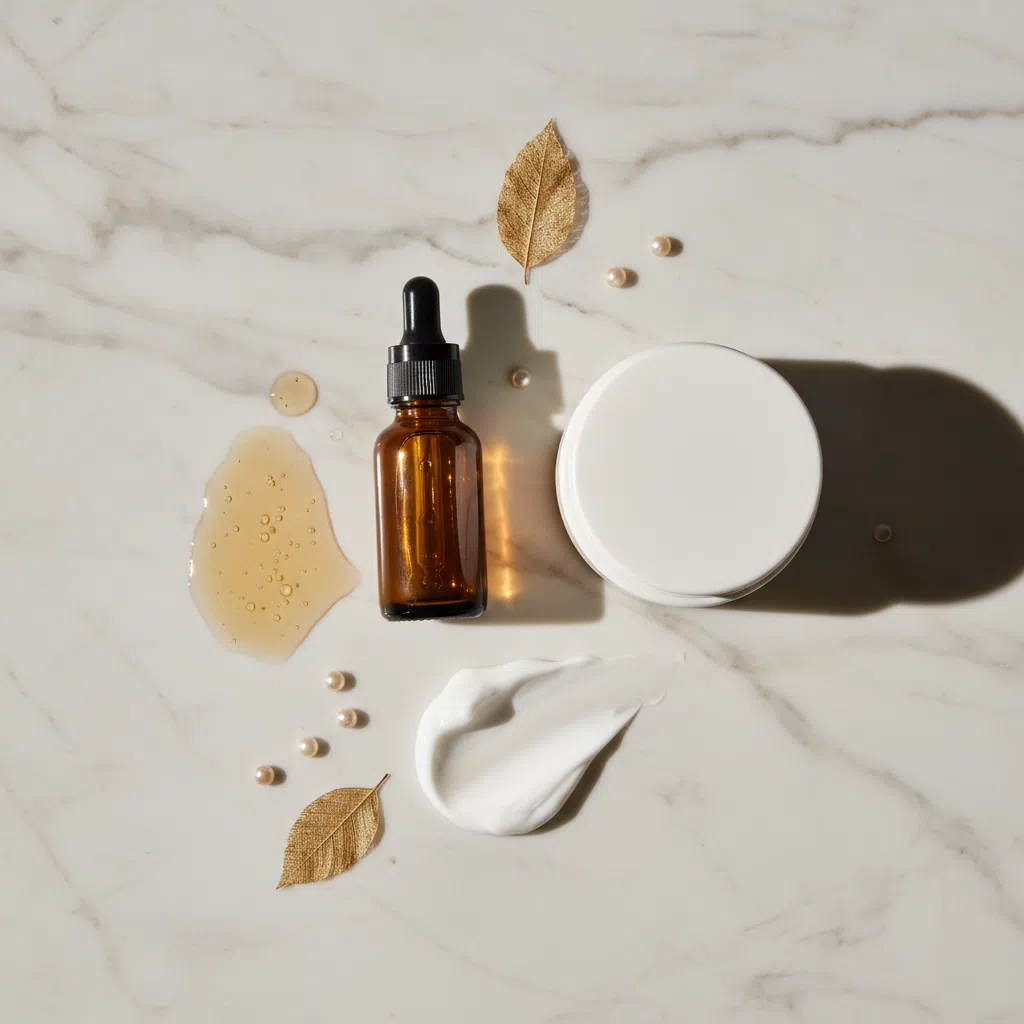
Let’s clear up the confusion right now. Think of your skincare routine like getting dressed for a cold day. A serum is like your high-performance thermal layer—a targeted, active piece of clothing designed for a specific function, like retaining warmth or wicking sweat. A moisturizer, on the other hand, is your protective, cozy outer jacket. It seals everything in, shields you from the elements, and provides essential comfort. One treats, the other protects. And yes, you usually need both for optimal results.
Understanding this fundamental difference is the key to transforming your skincare from a random collection of products into a strategic, effective ritual. This guide will break down the science, the steps, and the strategies. You’ll learn exactly what each product does, how to layer them like a pro, and whether your unique skin truly needs both. Get ready to demystify your routine and unlock your best skin.
The Fundamentals: What Exactly Are These Products?
Before we dive into the great serum vs. moisturizer debate, let’s establish what each product is designed to do at its core.
What is a Serum? (Your Targeted Treatment Powerhouse)
A face serum is a lightweight, fast-absorbing liquid or gel formulated with a high concentration of active ingredients. Its primary job is to deliver these potent compounds—like vitamin C, hyaluronic acid, niacinamide, or retinol—deep into your skin.
Primary Purpose: Treatment. Think of skincare serums as your problem-solvers. They are designed to target specific, pressing concerns: fading dark spots, smoothing fine lines, calming acne, or combating dullness.
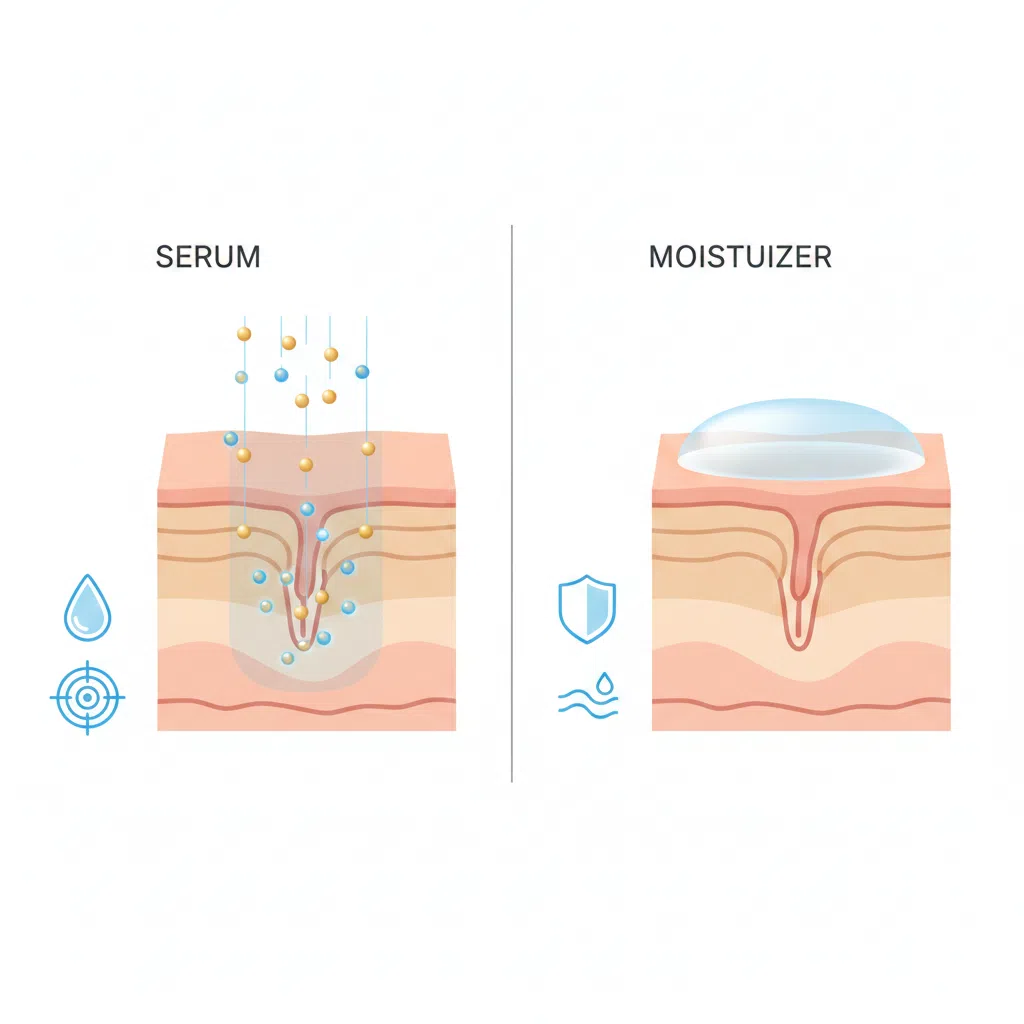
The Science of Penetration: Serums have a smaller molecular structure and a thinner, less viscous texture. This allows them to penetrate deeper into the epidermis (the top layers of your skin) than thicker creams. They are the delivery system for actives.
Dermatologist Insight: Experts often call serums the “workhorse” of a skincare routine. They’re where you invest in targeted results. A vitamin C serum fights free radicals, a hyaluronic acid serum binds moisture, and a niacinamide serum refines pores and calms inflammation.
What is a Moisturizer? (Your Essential Hydration Shield)
A moisturizer is a cream, lotion, or gel whose primary mission is to hydrate, soften, and fortify the skin’s outermost barrier (the stratum corneum). It’s the foundational layer of skin health.
Primary Purpose: Hydration and Protection. Moisturizers prevent water loss (known scientifically as transepidermal water loss or TEWL), soothe the skin, and create a protective seal. A healthy barrier is what keeps irritants out and moisture in.
Key Ingredient Breakdown: Effective moisturizers typically contain a blend of:
- Humectants (e.g., glycerin, hyaluronic acid): Attract water to the skin.
- Emollients (e.g., squalane, ceramides, fatty acids): Smooth and fill the cracks between skin cells, softening the skin.
- Occlusives (e.g., shea butter, dimethicone, plant oils): Form a protective film on top of the skin to seal in all that moisture.
Critical Myth Busting: A moisturizer is NOT just for dry skin. Even oily and acne-prone skin needs a well-formulated, non-comedogenic moisturizer to maintain a balanced, healthy barrier. Skipping it can sometimes trigger more oil production as your skin tries to compensate for dehydration.
Face Serum vs. Moisturizer: The Key Differences Broken Down
Let’s put them side-by-side. The difference between serum and moisturizer boils down to texture, function, and formulation.
| Feature | Serum | Moisturizer |
|---|---|---|
| Texture | Thin, watery, gel-like, fast-absorbing. | Rich, creamy, buttery, or lotion-like. |
| Key Ingredients | High concentration of active ingredients (e.g., 15% L-ascorbic acid, 10% Niacinamide). | Blend of humectants, emollients, and occlusives (e.g., ceramides, glycerin, squalane). |
| Primary Goal | Treat a specific concern (aging, spots, acne). | Hydrate, soothe, and protect the skin barrier. |
| Penetration | Deeper, into the epidermis. | Works primarily on and in the upper layers of the stratum corneum. |
| When to Use | After cleansing/toning, before moisturizing. | The final step in your treatment routine (before sunscreen in AM). |
The Simple Analogy: Imagine your skin is a dry sponge. The serum is like a nutrient-rich liquid you pour onto the sponge—it soaks in deeply. The moisturizer is like wrapping that damp sponge in cling film; it prevents the liquid from evaporating, keeping the sponge plump and hydrated for longer.
The Golden Question: Do You Need Both Serum and Moisturizer?
This is the heart of the serum vs moisturizer dilemma. Here’s the straightforward answer:
For most people seeking targeted results beyond basic health, yes, using both is ideal and synergistic.
Think of it as a team sport. The serum is your star striker, scoring the goals (tackling wrinkles, brightening tone). The moisturizer is the formidable goalkeeper and defense, providing essential support and protection so the striker can do their job without the team falling apart (aka, a compromised moisture barrier).
Why use a serum with a moisturizer? The serum delivers its potent actives. The moisturizer then locks those ingredients in, prevents water loss, and fortifies the skin barrier. This seal ensures the serum works effectively without causing irritation or dehydration. Using a potent retinol serum without a soothing moisturizer, for example, is a fast track to redness and peeling.
When might you skip the serum? If you have very young, resilient skin with no specific concerns, or if you are in the absolute beginner phase and are still mastering the holy trinity (cleanser, moisturizer, SPF). Focus on nailing those first.
When might you skip the moisturizer? Rarely. If you have extremely oily, acne-prone skin in a very humid climate, your serum is intensely hydrating and emollient on its own. However, even then, a light, oil-free gel moisturizer is often beneficial for barrier support. Proceed with caution.
The Beginner’s Path: Start simple. Master a consistent routine with a gentle cleanser, a suitable moisturizer, and daily SPF. After 2-4 weeks, if you have a concern that isn’t being addressed, introduce one serum to your routine.
How to Layer Serum and Moisturizer: The Correct Skincare Routine Order
Getting the order wrong can make your expensive products less effective. Let’s make it simple.
The Cardinal Rule: Thinnest to Thickest
Apply products in order of increasing viscosity. This allows each lighter layer to absorb fully before a heavier one seals it in.
The Correct Order:
- Cleanser
- Toner (if used)
- Face Serum
- Eye Cream (if used)
- Moisturizer
- Sunscreen (AM) / Facial Oil (PM, if used)
So, serum before or after moisturizer? Always before. Applying moisturizer first creates a barrier that blocks the serum from penetrating effectively.
Step-by-Step Layering Technique for Maximum Absorption
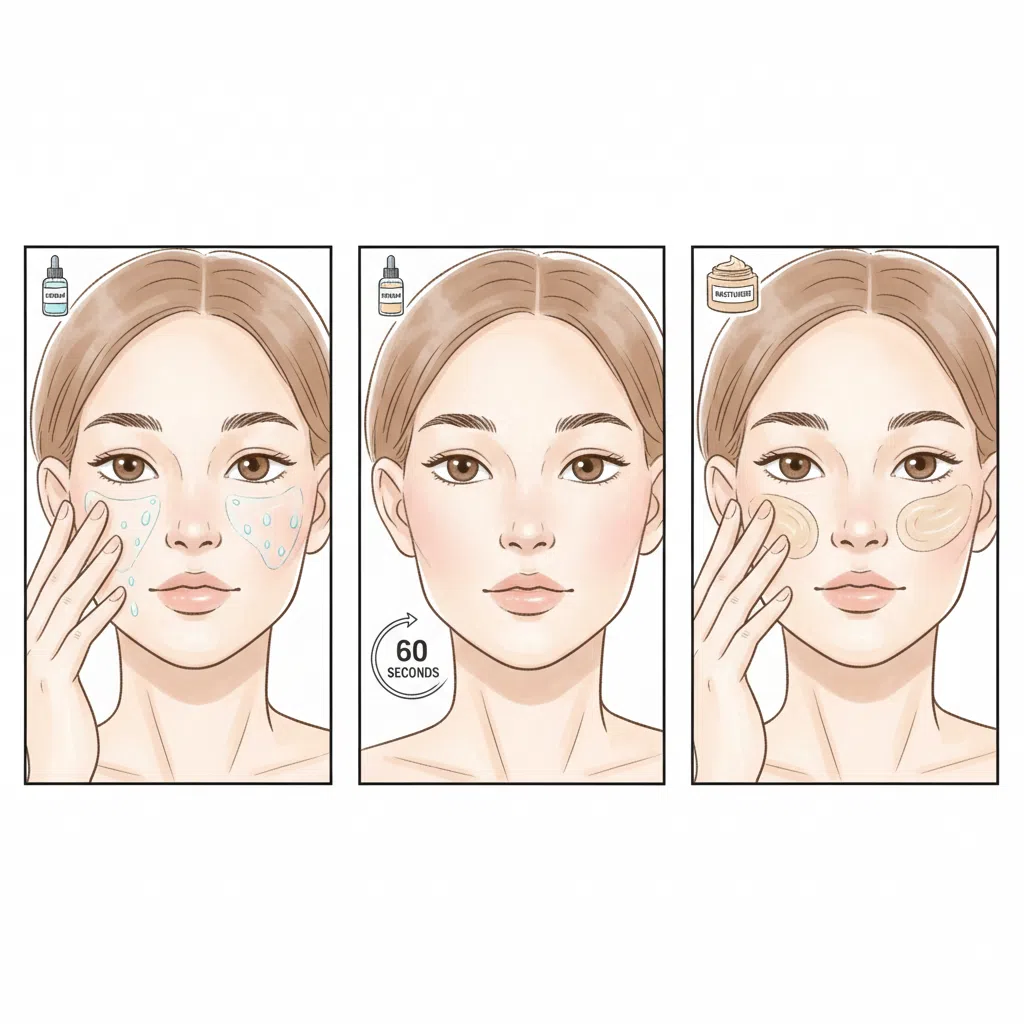
Timing: After applying your serum, wait 30-60 seconds for it to absorb. Your skin should feel tacky but not wet.
Application: Dispense your moisturizer onto your fingertips. Gently press and pat it onto your face and neck. Avoid harsh rubbing, which can pull at the skin and disrupt the serum underneath.
Common Mistakes to Avoid:
- Applying to Damp Skin: This is only crucial for humectant-based serums (like hyaluronic acid serum), which need damp skin to pull water into the skin. For others, clean, dry skin is delicate.
- Using Too Much Product: A pea-sized amount of serum and a dime-sized amount of moisturizer is often enough. More isn’t better and can cause pilling.
- Mixing Actives Incompatibly: Don’t layer very low-pH actives (like direct acids) with very high-pH actives. A good rule of thumb is to use exfoliating acids and retinol on separate nights if you’re a beginner.
When to Apply Serum: Morning or Night?
This depends on the serum’s ingredients.
- Morning (AM): This is when to use a serum with antioxidants like vitamin C or ferulic acid. They act as a shield against daily environmental damage (pollution, UV free radicals).
- Night (PM): This is the time for repair-focused ingredients like retinol, peptides, and exfoliating acids (AHAs/BHAs). Your skin’s renewal process peaks at night.
- Both AM & PM: Hydrating serums (with hyaluronic acid) and many niacinamide serums are gentle and beneficial enough for twice-daily use.
Building Your Routine: Serum and Moisturizer Pairings for Common Skin Concerns
Now for the fun part: strategic pairing. Here’s how to match a targeted serum with a supportive moisturizer for your top skin goal.
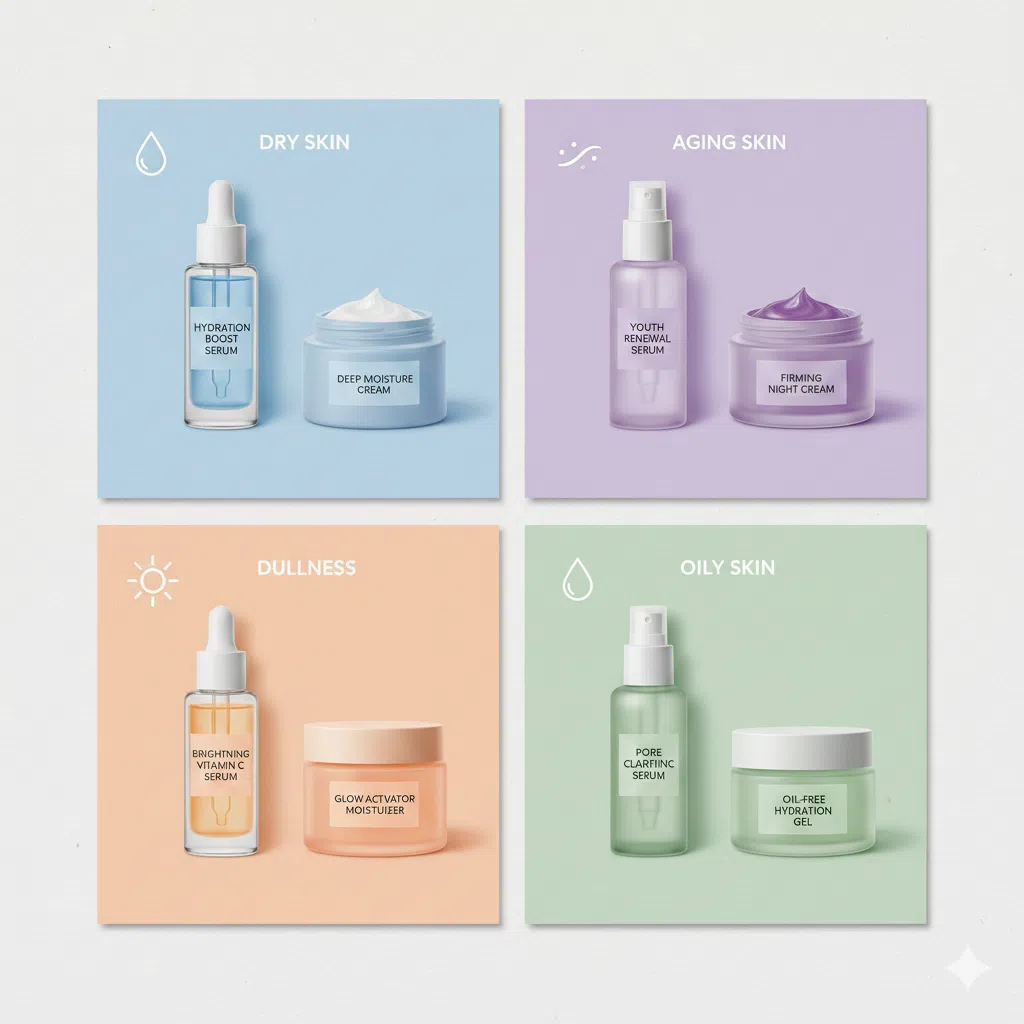
For Dry & Dehydrated Skin
- Serum Strategy: Hyaluronic acid serum. This humectant magnet draws moisture from the air and deeper skin layers to plump the surface.
- Moisturizer Partner: A rich cream with ceramides and squalane. These emollients and occlusives repair the lipid barrier and lock the HA-derived moisture in place.
- Synergy: The serum floods the skin with water; the moisturizer builds a dam to keep it there.
For Anti-Aging & Wrinkles
- Serum Strategy (PM): Retinol serum. The gold standard for boosting collagen, speeding cell turnover, and smoothing fine lines.
- Moisturizer Partner: A nourishing, barrier-supporting cream often called a “moisturizer sandwich.” Look for niacinamide, peptides, or ceramides to soothe potential retinol irritation and amplify repair.
- Synergy: Retinol drives the renewal process; the moisturizer calms and supports the skin through it.
For Dullness & Uneven Tone
- Serum Strategy (AM): Vitamin C serum (L-ascorbic acid). A potent antioxidant that brightens, fades dark spots, and protects against future damage.
- Moisturizer Partner: A lightweight lotion with additional brighteners like niacinamide or licorice root extract. Avoid heavy occlusives that might pill under sunscreen.
- Synergy: Vitamin C treats existing discoloration and provides a protective shield; the moisturizer hydrates and complements the brightening effect.
For Oily & Acne-Prone Skin
- Serum Strategy: Niacinamide serum (2-5%). Regulates sebum, minimizes pores, and reduces redness and inflammation.
- Moisturizer Partner: An oil-free, non-comedogenic gel moisturizer. Ingredients like hyaluronic acid provide hydration without clogging pores.
- Synergy: Niacinamide works to balance oil production and calm acne; the gel moisturizer provides essential hydration without adding shine or weight.
For Sensitive & Reactive Skin
- Serum Strategy: Centella asiatica or azelaic acid serum. Calms redness, reduces inflammation, and strengthens the skin’s own defense mechanisms.
- Moisturizer Partner: A supremely soothing cream with colloidal oatmeal, madecassoside, and ceramides. Fragrance-free and essential oil-free is a must.
- Synergy: The serum actively soothes and treats sensitivity; the moisturizer provides a protective, healing environment to restore the barrier.
Beginner’s Corner: Choosing Your First Serum and Moisturizer
Starting a skincare serum journey can be intimidating. Here’s how to not overcomplicate it.
Start with ONE Serum: Identify your single biggest skin concern. Don’t buy a cocktail of actives. Choose one beginner-friendly serum.
Beginner-Friendly Serum Actives:
- Hyaluronic Acid: For pure, simple hydration. Suits every skin type.
- Niacinamide (5% or less): The ultimate multi-tasker. Gently addresses oiliness, pores, redness, and barrier health.
Choosing Your First Moisturizer: Match it to your skin type—gel for oily, lotion for combination, cream for dry. “Non-comedogenic” and “fragrance-free” are safe bets.
Budget Tips: You can strategically allocate your budget. It often makes sense to invest more in your serum (where the quality and concentration of actives matter greatly) and find a perfectly adequate, affordable drugstore moisturizer.
The Golden Rules of Introduction:
- Patch Test: Apply a small amount of the new serum behind your ear or on your inner forearm for 2-3 days to check for reactions.
- Start Slow: Introduce your new serum 2-3 times a week, gradually increasing frequency as your skin tolerates it.
- Listen to Your Skin: If you experience stinging, prolonged redness, or peeling, scale back. Sometimes, less is more.
Frequently Asked Questions (FAQs) About Serum and Moisturizer
1. What is the main difference between a serum and a moisturizer?
The core serum vs moisturizer difference is function. Serums are lightweight, concentrated treatments designed to address specific concerns (like wrinkles or dark spots). Moisturizers are thicker, hydrating creams that protect the skin barrier and lock in moisture.
2. Do I need both serum and moisturizer?
For a complete, effective skincare routine, yes, most people benefit from using both. The serum treats, and the moisturizer seals and protects. However, if you have no specific skin concerns, a good moisturizer with SPF (for daytime) may be sufficient.
3. When should I use a serum in my skincare routine?
When to apply serum is after cleansing and toning, but before your moisturizer and sunscreen. This is the correct skincare routine order.
4. Should I apply serum before or after moisturizer?
Always apply serum before moisturizer. The thinner serum needs to penetrate first; the thicker moisturizer acts as a sealant on top.
5. What does a serum actually do for your skin?
A skincare serum delivers a high dose of active ingredients deep into the skin to target specific issues. The benefits of a face serum can include hydrating, brightening, anti-aging, acne-fighting, or soothing effects, depending on its formulation.
6. How do I properly layer serum and moisturizer?
After cleansing, apply a few drops of serum to your face and neck. Gently pat it in and wait 30-60 seconds for absorption. Then, follow with your moisturizer, pressing and patting it gently over the top.
7. Can I use a serum and skip moisturizer?
Generally, no. Most serums lack the occlusive ingredients needed to prevent water loss. Skipping moisturizer can lead to dehydration, especially with active serums like retinol. The exception might be for very oily skin using a very rich serum, but this is rare.
8. What is the best face serum for beginners?
Niacinamide serums (around 5%) or pure hyaluronic acid serums are excellent serums for beginners due to their gentleness and multiple benefits for a wide range of skin types.
9. Is hyaluronic acid serum itself a moisturizer?
No. A hyaluronic acid serum is primarily a humectant—it draws in water. Without a moisturizer containing emollients and occlusives to seal that water in, it can actually draw moisture out of your skin in dry environments and evaporate.
10. Can I mix my serum with my moisturizer to save time?
It’s not recommended. Mixing can dilute the potent actives in the serum and potentially destabilize the formulations of both products, making them less effective. Layering is always best.
Your Personalized Path to Better Skin
The journey through the world of serum vs moisturizer reveals a powerful partnership, not a rivalry. Understanding the distinct roles—that serums are your targeted treatment specialists and moisturizers your essential barrier guardians—empowers you to build a routine that truly works.
Start with the foundation: a cleanser and moisturizer suited to your skin type. When you’re ready to level up, introduce one serum that speaks directly to your chief concern. Remember, the goal isn’t a 10-step routine; it’s an intelligent, consistent ritual where every product has a purpose.
Listen to your skin. It will tell you what it needs. Be patient, patch test new products, and know that the most effective routine is the one you can stick with. Now, armed with knowledge, you can face those skincare shelves not with confusion, but with confidence.
Ready to take the next step? Discover how to build your perfect morning and night ritual, or dive deeper into the power of ingredients like hyaluronic acid and niacinamide.


 Skincare Myths Debunked: Evidence-Based Facts & Future Trends for 2026
  The Invisible Architects: How Your Hormones Dictate Your Skin’s Health, Glow, and Age
  The Ultimate Skincare Routine for Night Shift Workers: Adapting Your Regimen to Irregular Sleep
  Herbal Extracts in Skincare: Aloe Vera, Green Tea, and Chamomile
  Fading Sun Damage: Your Expert Guide to Reversing Spots and Uneven Tone
  Understanding Skin Texture: Smooth vs. Rough and How to Improve It