
 The Skin Finity
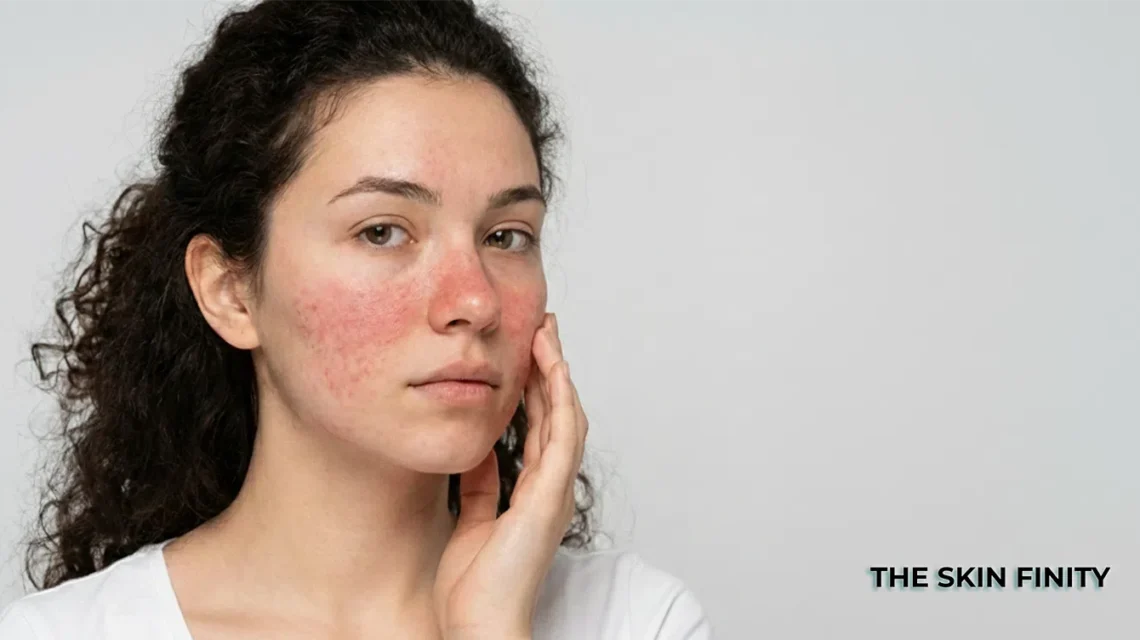
 Have you ever eagerly tried a new, highly-recommended skincare product, only to be met with tightness, redness, or a stinging sensation within minutes? If your complexion often feels like it’s staging a protest against the very things meant to help it, take a deep breath. You are not alone, and it’s not your fault. Sensitive skin is a common, often frustrating reality for millions. The constant cycle of hope and irritation can make you want to give up altogether. But what if the answer isn’t finding one miracle product, but building a sanctuary of a routine—a gentle skincare routine designed specifically for your skin’s unique needs?
This guide is your compassionate, step-by-step blueprint out of the reactive cycle. We’ll move beyond the guesswork and provide clear, actionable strategies to identify your triggers, select truly non-irritating skincare products, and craft a minimalist ritual that calms, protects, and strengthens your skin. Forget the 10-step routines; this is about intelligent, effective care that listens to your skin. Let’s begin the journey toward a calmer, more confident complexion.
Understanding Your Skin: What Does “Sensitive” Really Mean?
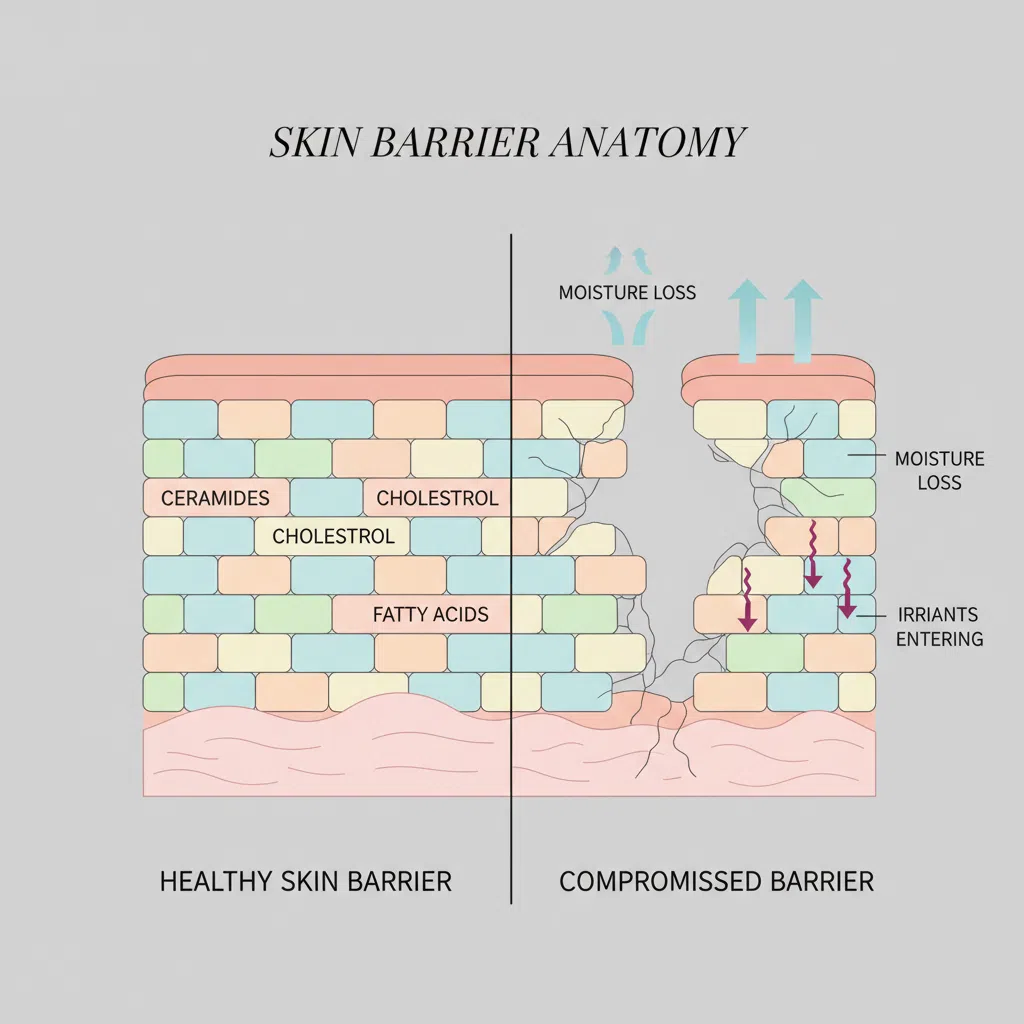
Before we build your routine, it’s crucial to understand what we’re working with. Sensitive skin isn’t a medical diagnosis in itself but a symptom of a weakened skin barrier and heightened nerve response. Think of your skin’s outermost layer, the stratum corneum, as a sturdy brick wall. The skin cells are the bricks, and lipids (fats like ceramides, cholesterol, and fatty acids) are the mortar. This is your skin barrier.
When this barrier is compromised—due to genetics, over-exfoliation, harsh products, or environmental stress—the “wall” develops cracks. This allows moisture to escape (leading to dryness) and irritants, allergens, and pollutants to sneak in. Your skin’s nerve endings also become more exposed, leading to that familiar stinging, burning, or itching sensation. This is the core of most sensitive reactive skin.
Common Signs You Have a Sensitive Skin Type
How do you know if this is you? Look for these frequent reactions:
- Stinging or Burning: Especially immediately after applying a product.
- Tightness: A persistent feeling of dryness, even after moisturizing.
- Visible Redness: Flushing, blotchiness, or visible blood vessels.
- Rashes or Bumps: Small, rough, or inflamed bumps that aren’t typical acne.
- Itching: A persistent urge to scratch.
- Scaliness or Dry Patches: Areas of flaky, rough texture.
- Reactivity: Your skin frequently reacts to new products, weather changes, or even stress.
Types of Sensitivity: Reactive vs. Allergic
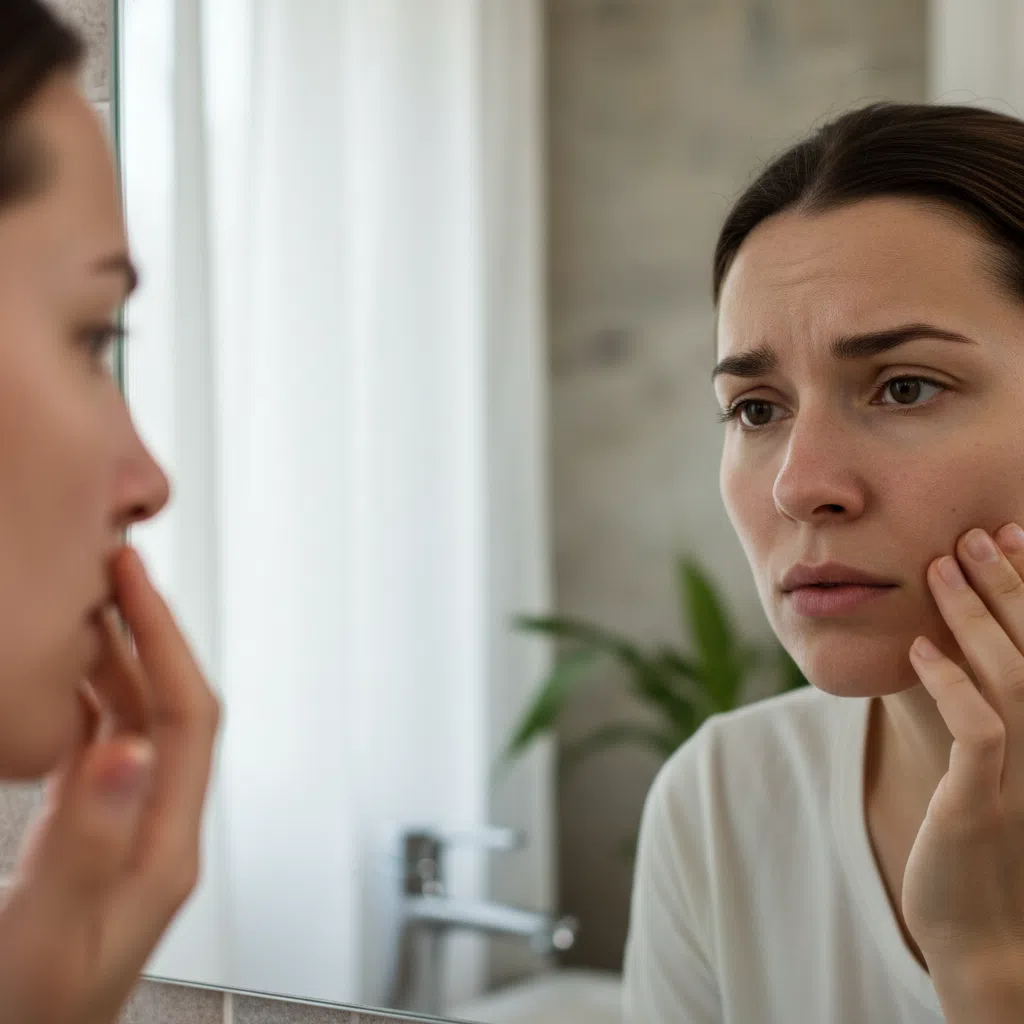
It’s helpful to distinguish between two main types:
- Reactive Skin: This is the most common. Your skin reacts quickly to direct irritants like fragrance, alcohol, or strong acids with redness or stinging. It’s a direct assault on a weakened barrier.
- Allergic Skin: This involves your immune system. You develop a specific allergy to an ingredient (like a certain preservative or nickel), which can cause a delayed rash or eczema-like reaction. This can develop over time.
Key Takeaway: Most people with sensitive skin are dealing with reactivity from a damaged barrier. The entire goal of a skincare routine for sensitive skin is to repair that barrier and avoid further insults.
The Red Flag List: What Irritates Sensitive Skin?
Building a gentle skincare routine is as much about what you omit as what you include. Knowing the common culprits is your first line of defense. Here are the top ingredients and factors to scrutinize.
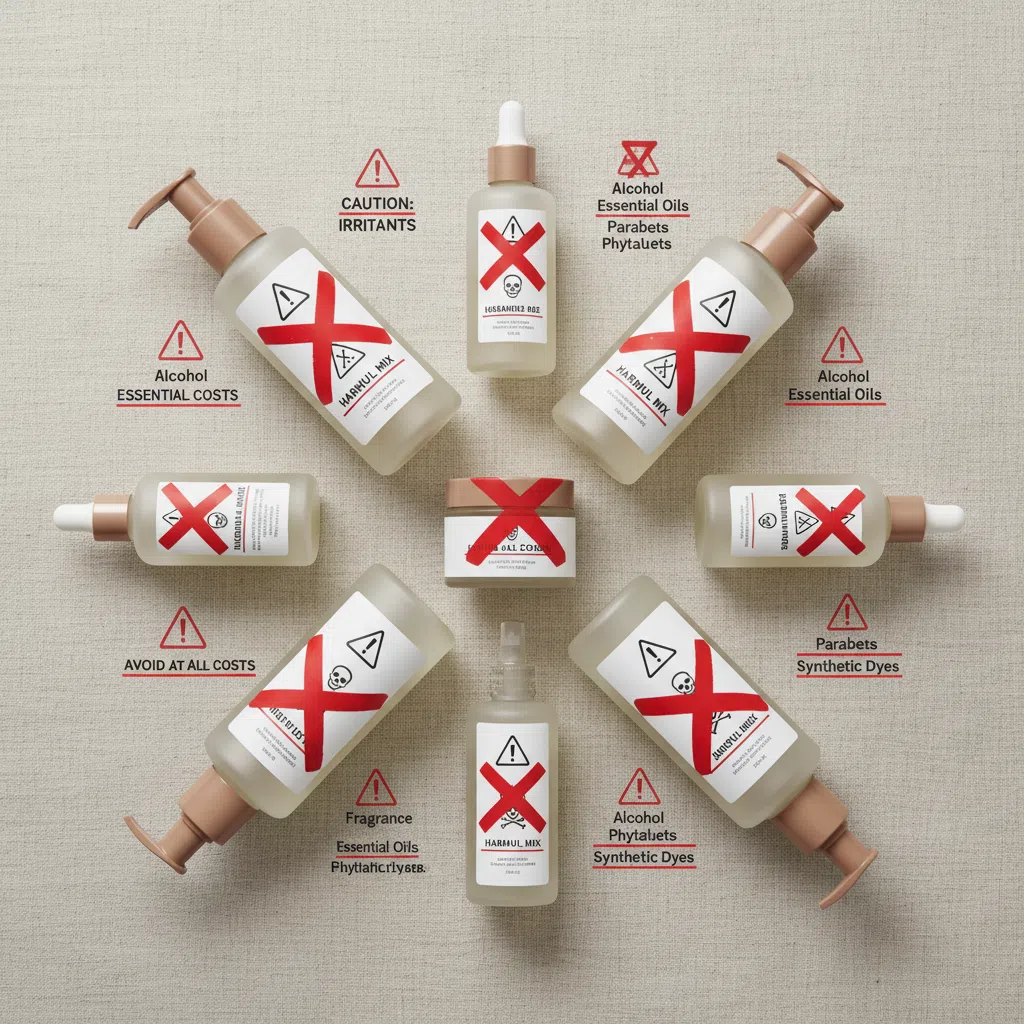
Top Ingredient Villains to Avoid
- Fragrance (Synthetic & Natural): The #1 offender. Fragrance is a complex mix of chemicals (even when derived naturally) designed to scent a product. It’s a frequent cause of contact dermatitis. Always opt for “fragrance-free” over “unscented,” as the latter can contain masking fragrances.
- Denatured Alcohol (SD Alcohol, Ethanol): Listed high in ingredients, it’s extremely drying and stripping, dissolving your skin’s natural oils and breaking down the barrier. (Note: Fatty alcohols like cetyl or stearyl alcohol are actually moisturizing and safe.)
- Harsh Sulfate Surfactants (SLS/SLES): While effective cleansers, Sodium Lauryl/Laureth Sulfate can be too stripping for sensitive skin, leading to that “squeaky-clean” feeling that signals damage.
- Essential Oils: Though natural, oils like citrus, lavender, peppermint, and tea tree are potent and highly irritating to reactive skin.
- Physical Scrubs with Jagged Particles: Walnut shells, apricot pits, or coarse salt can create micro-tears in a fragile barrier.
- Overuse of Active Ingredients: Retinoids, high-percentage AHAs/BHAs, and even some forms of Vitamin C (like L-ascorbic acid) can be major irritants if introduced too quickly or used too frequently.
Environmental & Lifestyle Triggers
Your sensitive skin care doesn’t stop at the bathroom sink. Be mindful of:
- Sun Exposure: UV rays are a major barrier disruptor and inflammatory agent.
- Extreme Weather: Cold, windy air and dry, indoor heat can strip moisture.
- Hard Water: High mineral content can leave a residue that irritates skin.
- Stress & Lack of Sleep: Cortisol (the stress hormone) can increase inflammation.
- Dietary Triggers: For some, spicy foods, alcohol, or high-histamine foods can cause flushing.
The Gentle Blueprint: Building Your 4-Step Sensitive Skin Routine
The golden rule for sensitive reactive skin routine is Less is More. A simple, consistent routine is far more effective than a complex, ever-changing one. Your foundation rests on four pillars: Cleanse, Treat, Moisturize, Protect.
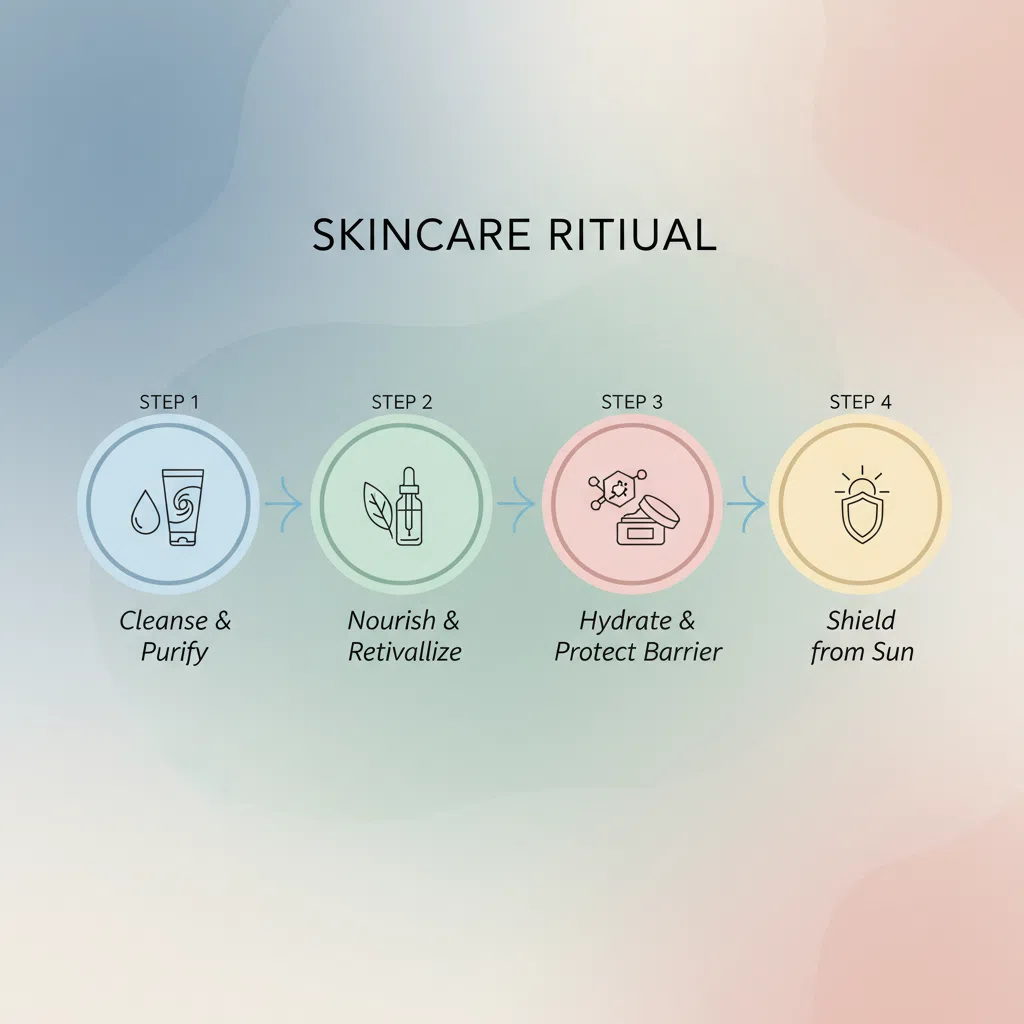
The Core Philosophy: Think of your routine as a healing protocol. Every step should either soothe, hydrate, or protect. Aggression has no place here.
Step 1: Cleanse Gently – The Art of Removal Without Stripping
Cleansing is about removing impurities, not your skin’s natural vitality.
- What to Look For: Opt for creamy, milky, balm, or gentle gel-to-foam textures. Keywords are “hydrating,” “non-foaming,” or “cream cleanser.” A low pH (around 5.5) is ideal.
- Key Ingredients: Look for ceramides, glycerin, hyaluronic acid, or oat extract.
- How To: Use lukewarm water (never hot), gently massage in the cleanser for 30-60 seconds, and pat your face dry with a clean towel—never rub.
- Product Direction: The best cleanser for sensitive skin is one that leaves your skin feeling soft, not tight. Popular dermatologist-recommended choices include La Roche-Posay Toleriane Hydrating Gentle Cleanser, CeraVe Hydrating Cream-to-Foam Cleanser, and Vanicream Gentle Facial Cleanser.
Step 2: Treat with Care – Targeted Soothing & Repair
This is the “active” step, but for sensitive skin, “active” often means reparative, not exfoliating. Introduce only one treatment at a time, and only after your cleanser and moisturizer are firmly established.
- Niacinamide (5% or less): A superstar for sensitive skin. It reinforces the barrier, reduces redness and inflammation, and helps regulate oil. Studies show it improves skin resilience.
- Centella Asiatica (Cica): A hero soothing ingredient for sensitive skin. Its active compounds (madecassoside, asiaticoside) are powerfully anti-inflammatory and promote wound healing, perfect for calming flares.
- Peptides: These amino acid chains support collagen and skin repair without irritation.
- Azelaic Acid (often prescription): Excellent for those with sensitivity coupled with rosacea or acne, as it reduces redness and inflammation gently.
- A Word on Exfoliants: If you must, choose polyhydroxy acids (PHAs) like gluconolactone or a very low-concentration (under 5%) mandelic acid (an AHA). Use once a week at most.
Step 3: Moisturize Diligently – Your Barrier’s Best Friend
This is non-negotiable. A good moisturizer for sensitive skin acts as a protective seal, trapping hydration and actively repairing the skin barrier.
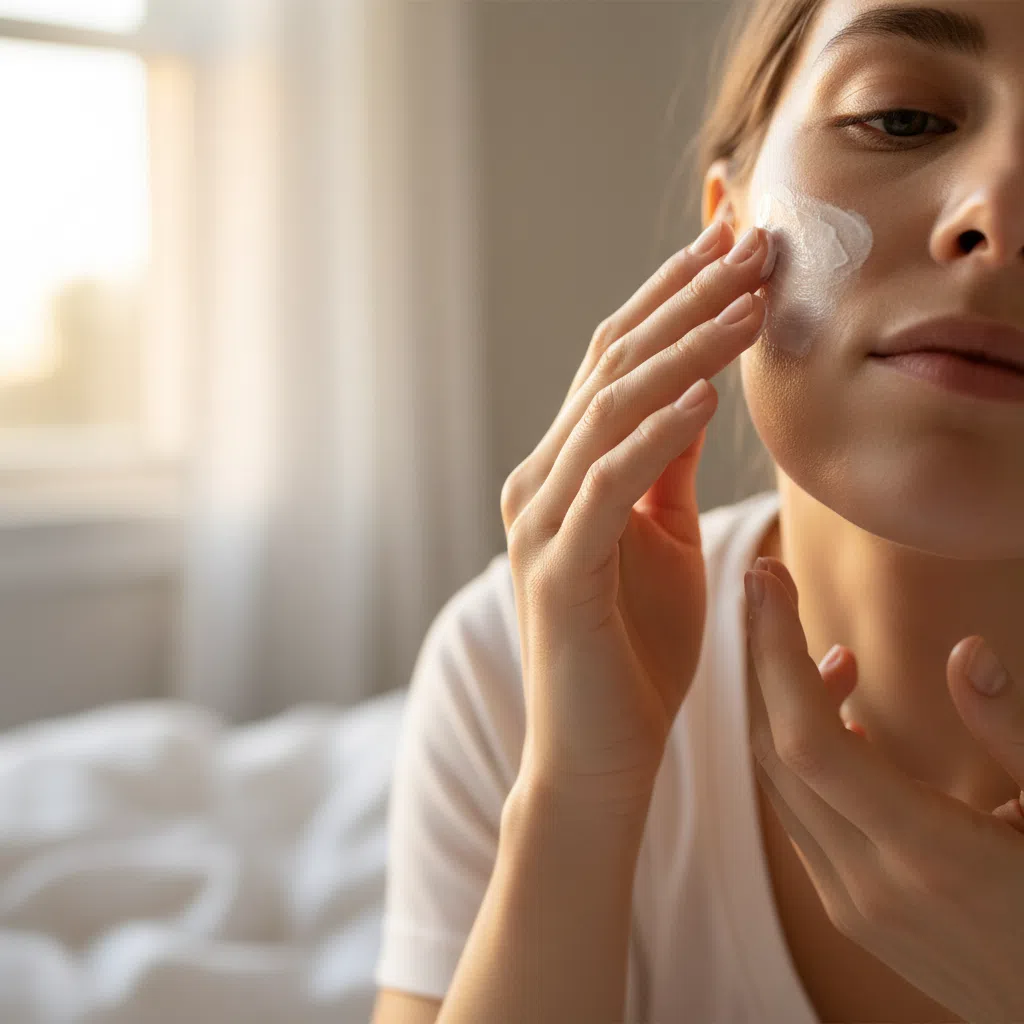
- What to Look For: Formulas in tubes or pumps are often more preservative-stable than jars. Look for “barrier repair,” “hydration,” or “soothing” claims.
- Hero Ingredients:
- Ceramides: The essential mortar of your skin barrier. They replenish what’s missing.
- Panthenol (Provitamin B5): Deeply soothing and hydrating.
- Squalane: A lightweight, skin-identical oil that mimics your skin’s natural sebum.
- Shea Butter & Oat Oil: Excellent, gentle occlusives for very dry, sensitive skin.
- Product Direction: The best moisturizer for sensitive skin is one you’ll use consistently. Beloved options include CeraVe Moisturizing Cream (rich in ceramides), Aveeno Calm + Restore Oat Gel Moisturizer, and Dr. Jart+ Ceramidin Cream.
Step 4: Protect Faithfully – The Ultimate Soothing Act
Sun exposure is the most pervasive irritant and barrier breaker. A good sunscreen prevents a world of reactivity and inflammation.
- Mineral vs. Chemical: Mineral sunscreens containing Zinc Oxide and/or Titanium Dioxide are generally the best sunscreen for sensitive skin. They sit on top of the skin, reflecting UV rays, and are less likely to cause stinging. Zinc Oxide is also naturally anti-inflammatory.
- What to Look For: “Fragrance-free,” “mineral,” “for sensitive skin,” and “non-comedogenic.”
- How To: Apply it as the last step of your morning routine, every single day, rain or shine. Use about a nickel-sized amount for the face and neck.
- Product Direction: Excellent gentle starters are EltaMD UV Clear Broad-Spectrum SPF 46 (with niacinamide), Hero Cosmetics Force Shield Superlight Sunscreen, and Blue Lizard Sensitive Mineral Sunscreen.
Pro Strategies for a Truly Calming Practice
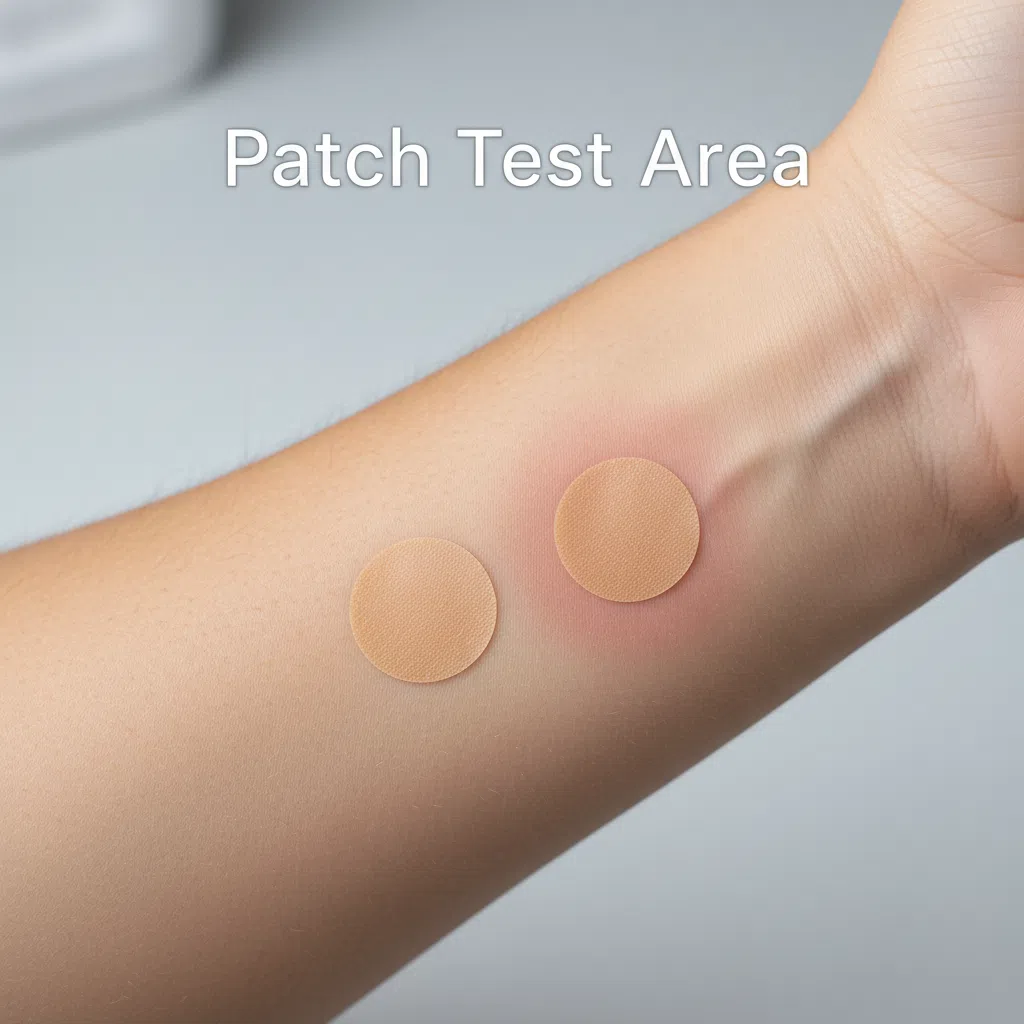
The Non-Negotiable: How to Patch Test Skincare
Never skip this. Apply a small amount of the new product (a pea-sized dab) to a discreet area like behind your ear or the inside of your forearm. Reapply to the same spot twice daily for 5-7 days. If no redness, itching, or swelling occurs, it’s likely safe for your face.
The One-at-a-Time Rule
When building your skincare routine for sensitive skin, introduce only one new product every two weeks. This way, if a reaction occurs, you know the exact culprit.
Listen and Adapt: The “Skin Fast”
If your skin is in full flare, strip back to a hypoallergenic skincare routine: just a gentle cleanser, a basic moisturizer, and sunscreen. Give your skin a chance to reset before slowly adding anything back.
Seasonal Adjustments
- Summer: You might prefer a lighter moisturizer or gel-cream and be extra diligent about sunscreen reapplication.
- Winter: Switch to a richer cream, consider a humidifier, and protect your face with a scarf in cold wind.

Your Sensitive Skin FAQs, Answered
1. What is the best skincare routine for sensitive skin?
A minimalist, consistent routine focused on gentle cleansing, barrier-repairing moisture, and daily mineral sunscreen. The 4-step blueprint outlined above is the ideal foundation.
2. How do I know if I have sensitive skin?
If you frequently experience stinging, redness, tightness, or itching in response to products, weather, or stress, you likely have sensitive skin. Consult a dermatologist for a definitive assessment.
3. What ingredients should I avoid with sensitive skin?
Prioritize avoiding fragrance (synthetic and natural/essential oils), denatured alcohol, harsh sulfates (SLS), and physical scrubs.
4. Are natural products better for sensitive skin?
Not necessarily. “Natural” ingredients like essential oils and citrus extracts are common irritants. Focus on formula safety and ingredient lists, not marketing terms.
5. Is fragrance-free skincare necessary?
For the vast majority with sensitive skin, yes. Fragrance is the leading cause of cosmetic contact dermatitis and serves no skin-benefiting purpose.
6. How do I patch test a product?
Apply it to a small area on your inner forearm or behind the ear twice daily for 5-7 days and monitor for any reaction before using it on your face.
7. Can I use retinol if I have sensitive skin?
Proceed with extreme caution. Start with the lowest concentration (0.01% or 0.025%), use the “sandwich method” (moisturizer, retinol, moisturizer), and apply only once a week, gradually increasing frequency if tolerated.
8. How to repair my damaged skin barrier?
Stop all exfoliants and actives. Use a gentle cleanser and a moisturizer rich in ceramides, cholesterol, and fatty acids consistently for 4-6 weeks. Patience is key.
9. What causes my sensitive skin to flare up?
Common triggers include new skincare products with irritants, sun exposure, extreme weather, stress, lack of sleep, and hormonal changes.
10. How long until I see improvement?
With a consistent, gentle routine, you may see initial calming in 1-2 weeks, but significant skin barrier repair can take 4-6 weeks of dedicated care.
Your Path to Calm, Confident Skin
Building a gentle, non-irritating skincare routine is an act of kindness toward yourself. It’s about shifting from a mindset of battling your skin to partnering with it. By understanding your barrier, ruthlessly eliminating irritants, and nourishing your skin with simple, effective products, you create the conditions for lasting calm.

Remember, this journey isn’t about achieving perfection—it’s about building resilience. There may still be days your skin feels reactive, but now you have the tools and knowledge to respond with grace and effective care. Start today. Look at your current products through the lens of what you’ve learned, commit to a fragrance-free future, and take the first gentle step.
Your skin’s SOS signal has been heard. Now, you have the gentle answer.


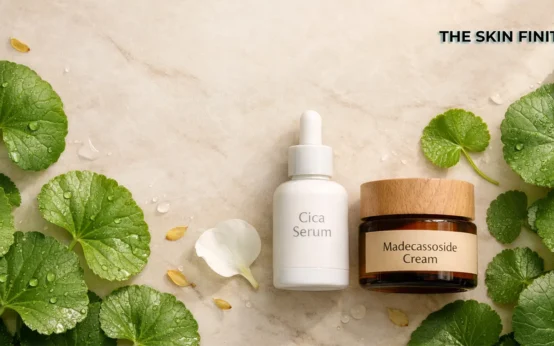 Centella Asiatica: The Healing and Soothing Power for Sensitive Skin – The Skin Finity
  The Invisible Architects: How Your Hormones Dictate Your Skin’s Health, Glow, and Age
  The Ultimate Skincare Routine for Night Shift Workers: Adapting Your Regimen to Irregular Sleep
  Fading Sun Damage: Your Expert Guide to Reversing Spots and Uneven Tone
  Understanding Skin Texture: Smooth vs. Rough and How to Improve It
  Niacinamide Benefits: The Science of Calming Inflammation and Evening Skin Tone