
 The Skin Finity
 Have you ever caught your reflection and noticed a fine line that wasn’t there before, or a patch of skin that seems just a little less firm? These moments connect us to a universal truth: our skin changes as we age. But what we see in the mirror is merely the surface story. Beneath lies a complex, fascinating biological narrative of structural shifts, molecular battles, and cellular communication.
Understanding the science behind skin aging isn’t about fostering fear of fine lines and wrinkles. It’s about empowerment. By demystifying how skin changes with age, we can move beyond marketing hype and build an effective, evidence-based anti-aging skincare strategy. This comprehensive guide will delve deep into the biology of the skin aging process, separating myth from fact and providing you with the knowledge to care for your skin intelligently at any decade.
The Two Faces of Aging: Intrinsic vs. Extrinsic
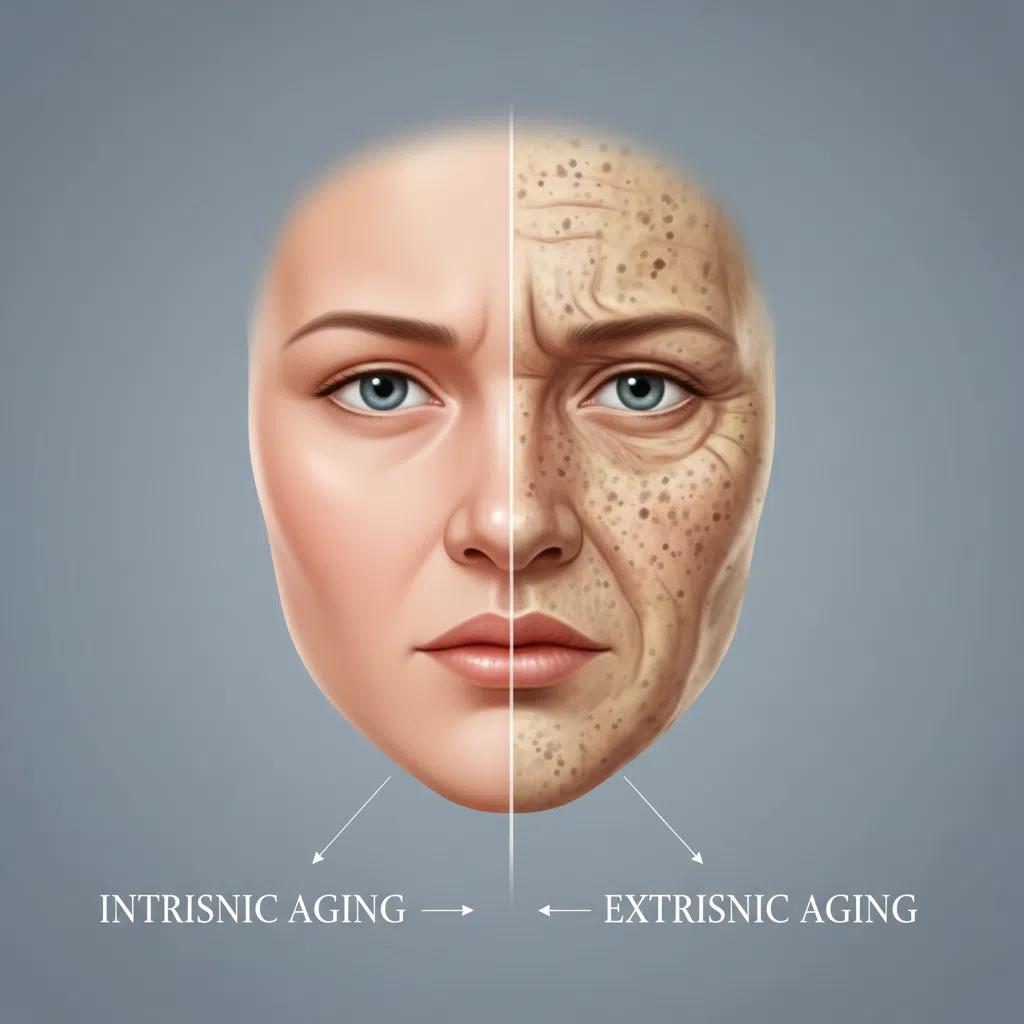
Our skin ages through two distinct, yet interconnected, pathways. Think of them as the internal clock and the external elements that can speed it up.
Intrinsic Aging: Your Genetic Blueprint
Also known as chronological aging, this is the inevitable, genetically programmed process. The causes of skin aging here are internal and include:
- Hormonal Changes: Significant shifts, particularly the drop in estrogen during menopause and testosterone in andropause, dramatically reduce skin hydration, thickness, and collagen production. Hormonal changes and skin aging are directly linked to increased dryness, thinning, and wrinkling.
- Genetic Predisposition: Your genes determine your skin’s baseline resilience and the pace of chronological aging factors like cellular senescence (when cells stop dividing) and telomere shortening (the protective caps on chromosomes fraying over time).
- Metabolic Changes: Over time, your body’s natural production of vital substances like hyaluronic acid and antioxidants slows.
Intrinsic aging leads to subtle changes: gradual dermal thinning, slower cell turnover leading to a duller complexion, and the appearance of fine, dry lines.
Extrinsic Aging: The External Accelerants
This is premature aging caused by environmental and lifestyle factors. Strikingly, experts estimate that up to 90% of visible skin aging is extrinsic. The primary culprits are:
- Sun Exposure (Photoaging): The single most aggressive factor. UV radiation effects penetrate the skin, creating free radicals damage and breaking down collagen and elastin. Photoaging manifests as deep wrinkles, leathery texture, age spots formation, and loss of elasticity.
- Pollution & Toxins: Airborne particles and cigarette smoke generate free radicals, leading to oxidative stress and inflammation.
- Lifestyle Choices: Poor diet high in sugar (fueling the glycation process), chronic stress, and lack of sleep all accelerate aging mechanisms.
The key takeaway? While we cannot stop time, we have immense power over extrinsic aging, making preventing premature skin aging a highly achievable goal.
A Layer-by-Layer Breakdown: The Biological Blueprint of Aging
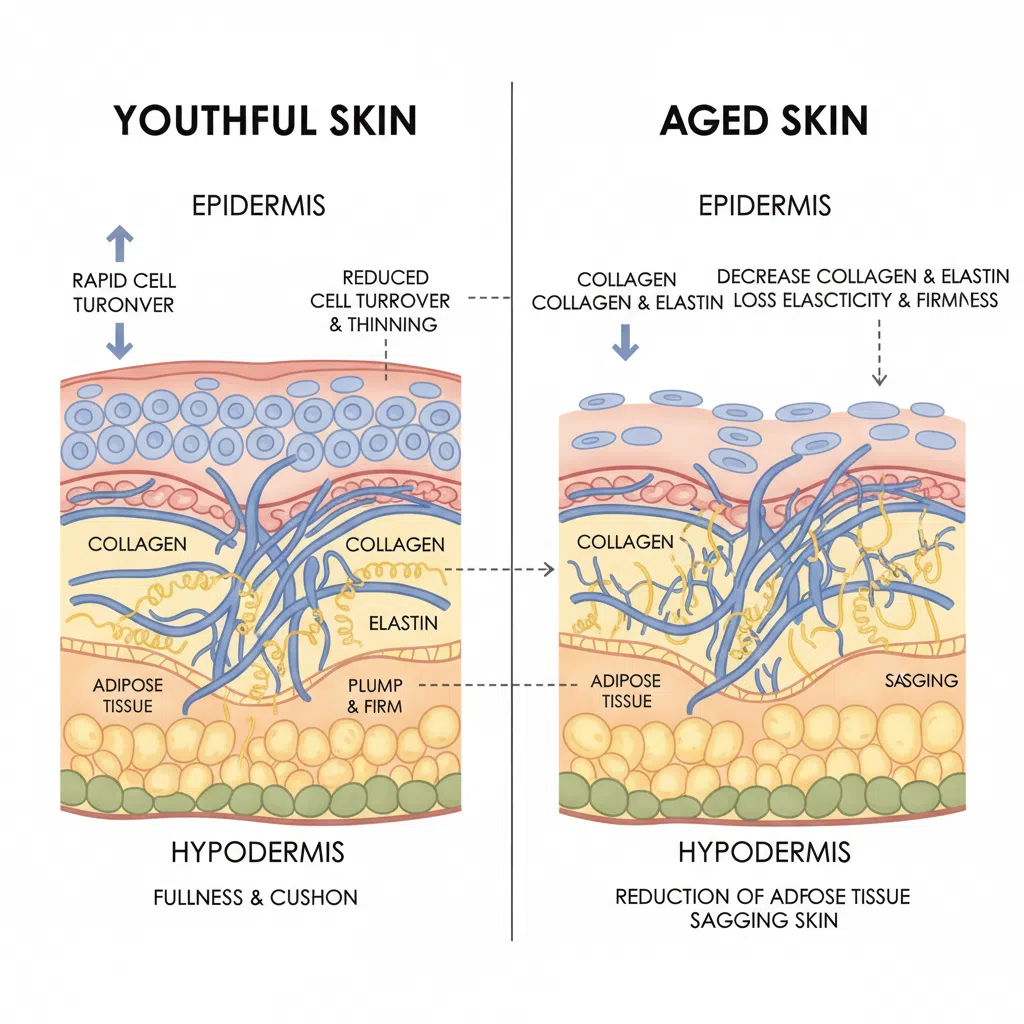
To truly grasp how skin changes with age, we must look at the effects of aging on skin layers—the epidermis, dermis, and hypodermis.
The Epidermis: Barrier Breakdown and Slowing Renewal
The outermost layer undergoes several epidermal changes:
- Cellular Turnover Slows: The journey of skin cells from the basal layer to the surface (desquamation) takes longer, leading to a buildup of dead cells and a dull, rough complexion.
- Barrier Function Weakens: Lipid production decreases, compromising the skin’s ability to retain moisture. This leads to the characteristic dryness and sometimes itchiness of mature skin.
- Age Spots Emerge: Also called solar lentigines, these dark patches are a direct result of photoaging. UV exposure causes melanocytes (pigment-producing cells) to cluster unevenly.
The Dermis: The Crumbling Support System
This is ground zero for the most dramatic signs of aging. The dermis is a support matrix made of collagen, elastin, and ground substance (rich in hyaluronic acid). With age, this system deteriorates.
- Collagen Loss: Collagen, the protein that gives skin its plumpness and strength, declines about 1% per year naturally. More destructively, UV exposure and free radicals activate enzymes called Matrix Metalloproteinases (MMPs) that actively degrade collagen fibers. This is a central event in wrinkle reduction strategies.
- Elastin Breakdown: Elastin fibers, which provide snap-back resilience, become fragmented, frayed, and less functional. This loss of elasticity is a primary sagging skin cause.
- Hyaluronic Acid Decline: This powerful humectant, capable of holding 1000x its weight in water, diminishes significantly, leading to lost volume, dryness, and the formation of deeper folds.
- Reduced Blood Flow: The network of tiny blood vessels shrinks, contributing to paler skin and reduced delivery of nutrients and oxygen.
The Hypodermis: Volume Loss
The underlying fat layer thins and redistributes. Loss of this supportive padding leads to hollowed cheeks, temples, and eye sockets, further accentuating sagging and wrinkles.
The Molecular Culprits: Key Processes Accelerating Aging
Beyond the structural changes, specific biochemical processes drive the skin aging process.
1. Oxidative Stress and Free Radical Damage
Free radicals are unstable, highly reactive molecules missing an electron. They steal electrons from healthy skin cells, damaging proteins (collagen, elastin), lipids, and even cellular DNA. This free radicals damage is a primary driver of oxidative stress. These radicals are generated by UV rays, pollution, smoking, and even normal metabolism. The body fights back with antioxidants, but the balance can tip toward damage over time, making antioxidant protection in skincare and diet crucial.
2. The Glycation Process
Think of this as the internal caramelization of your skin. When sugar molecules in the bloodstream bind irreversibly to proteins like collagen and elastin, they form Advanced Glycation End-products (AGEs). These AGEs create stiff, brittle, and discolored fibers that are prone to breakage, directly contributing to loss of elasticity and deep, set-in wrinkles. A diet high in refined sugars accelerates this process.
3. Cellular Senescence and Telomere Shortening
Cellular senescence refers to the state where cells stop dividing but don’t die. These “zombie cells” accumulate and secrete inflammatory factors and enzymes that degrade the surrounding healthy matrix, accelerating aging. Telomere shortening is linked to this; telomeres are protective caps on chromosomes that shorten with each cell division, eventually signaling the cell to stop dividing or become senescent.
Your Skin Aging Timeline by Decade
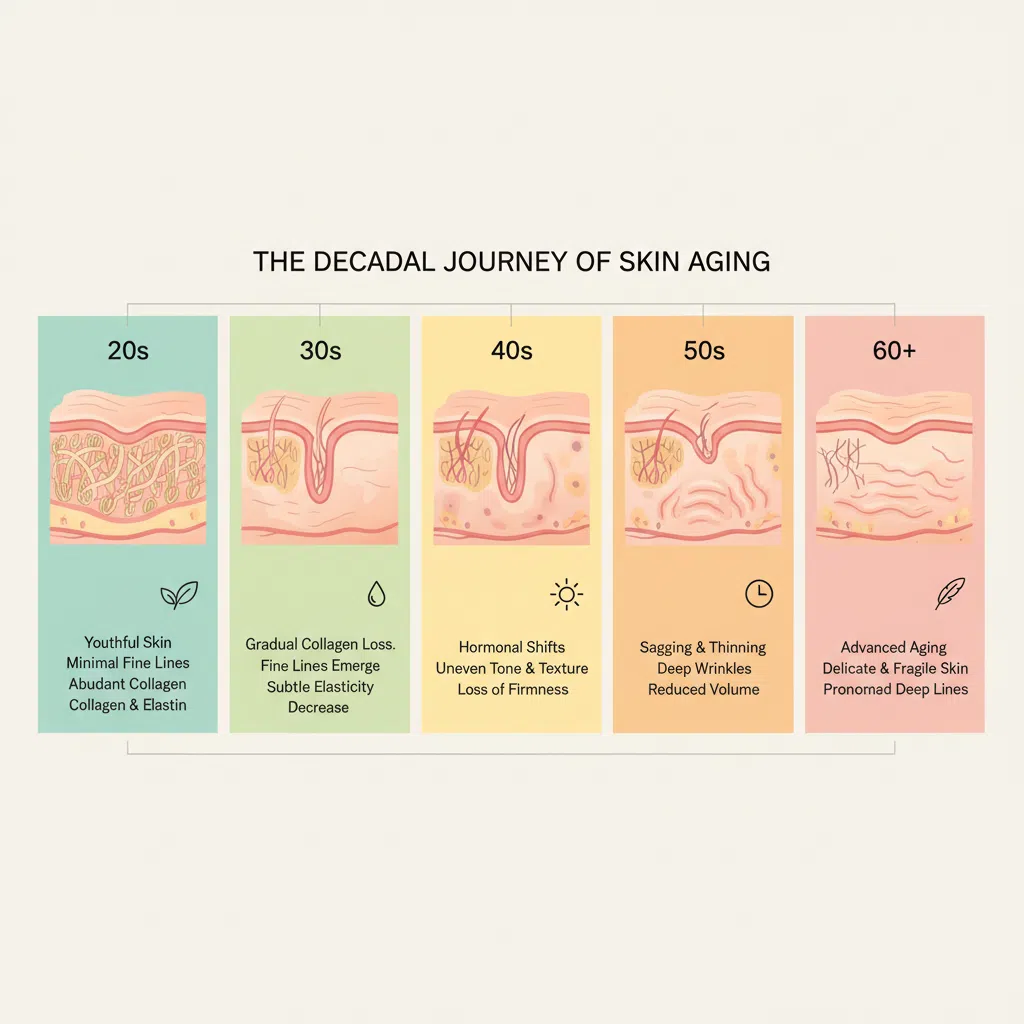
While individual variation is vast, here’s a general skin aging timeline by decade:
Your 20s: Collagen production peaks and begins its slow decline. The first signs of photoaging from childhood/teen sun exposure may appear as faint fine lines around the eyes. This is the critical decade for establishing sun protection and preventive care.
Your 30s: Noticeable collagen loss and elastin breakdown begin. Dynamic lines from smiling or squinting (crow’s feet, frown lines) start to become etched into the skin even at rest. Hyaluronic acid decline accelerates, leading to subtle volume loss. This is when many seek out their first serious anti-aging cream.
Your 40s: Hormonal changes and skin aging take center stage for many, especially during perimenopause. Estrogen fluctuations lead to increased dryness, dermal thinning, and a more pronounced loss of firmness. Age spots and deeper wrinkles become more common, and skin may feel more sensitive.
Your 50s & Beyond: Post-menopause, estrogen levels drop significantly, leading to a rapid decrease in collagen (up to 30% in the first five years after menopause). Skin is noticeably thinner, drier, and more fragile. Structural sagging in the jawline (jowls) and neck is more apparent. The skin’s barrier function is weaker, requiring nourishing, reparative ingredients.
The Science of Defense & Repair: Building Your Anti-Aging Strategy
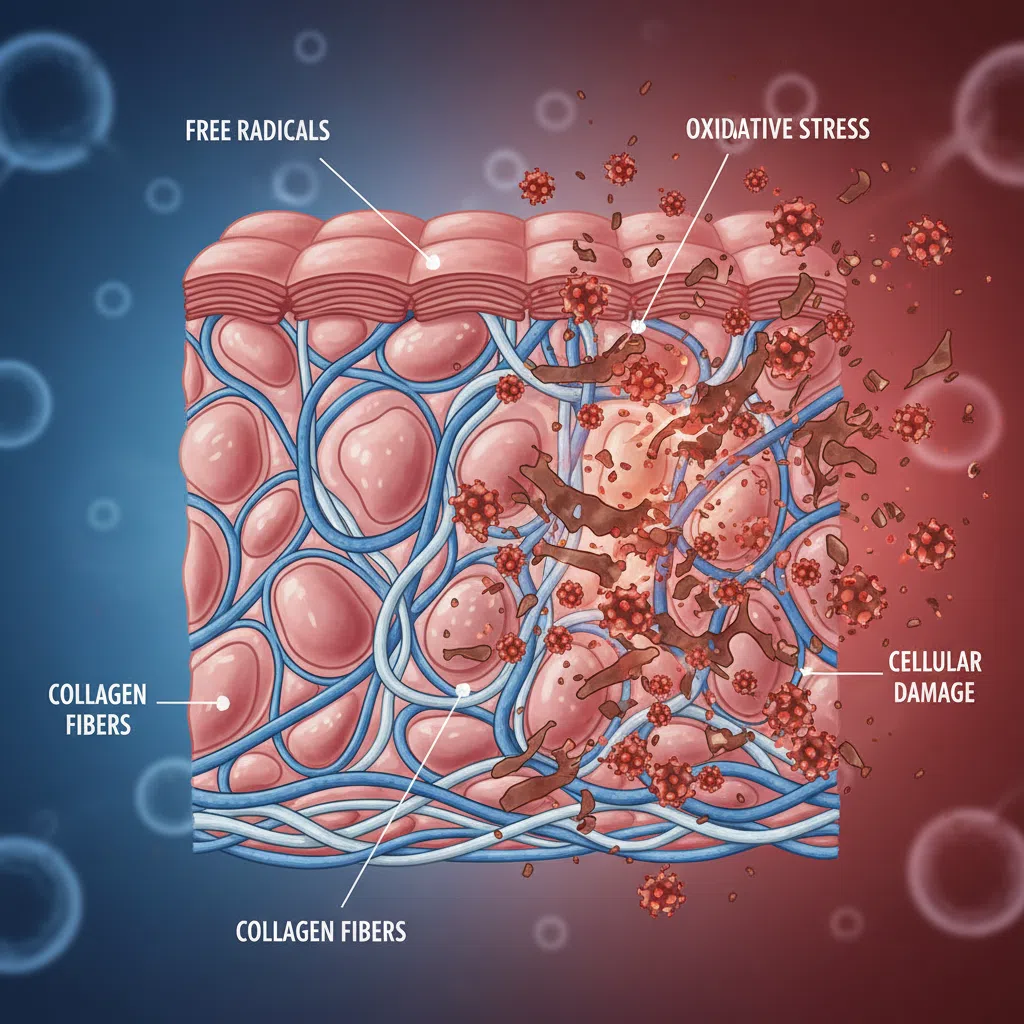
Armed with this knowledge, we can build a targeted, effective regimen focused on preventing premature skin aging and supporting the skin’s structure.
Pillar 1: The Non-Negotiable – Sun Protection
Daily, year-round use of broad-spectrum SPF 30+ is the single most effective anti-aging skincare step. It prevents UV radiation effects, halts photoaging, protects collagen, and prevents age spots formation.
Pillar 2: The Topical Powerhouses – Evidence-Based Ingredients
The best skincare for aging skin uses actives that directly address the biological processes we’ve discussed.
- Retinol & Prescription Retinoids: The gold standard. They accelerate cell turnover, stimulate collagen production, and reverse signs of photoaging. The retinol benefits for wrinkle reduction and skin texture are unmatched in topical skincare.
- Vitamin C (L-ascorbic acid): A potent antioxidant that provides antioxidant protection against free radicals, brightens skin, and supports collagen synthesis. It’s a perfect partner to sunscreen.
- Peptides: These amino acid chains act as messengers, triggering specific functions like collagen production (peptide stimulation). They are key players in reparative creams and serums.
- Hyaluronic Acid: A hydrating powerhouse that attracts and binds moisture to the skin, temporarily plumping fine lines and improving dehydration.
- Niacinamide (Vitamin B3): A multi-tasking superstar that improves barrier function, reduces redness, minimizes pore appearance, and helps fade hyperpigmentation.
Pillar 3: Lifestyle as Medicine
True skincare is holistic. Natural ways to slow skin aging include:
- A Nutrient-Rich Diet: Consume antioxidants (berries, leafy greens, nuts), healthy fats (avocado, olive oil, fatty fish), and limit refined sugars to combat glycation.
- Prioritize Sleep: Cellular repair and regeneration peak during sleep.
- Manage Stress: Chronic stress elevates cortisol, which can break down collagen.
- Avoid Smoking and Limit Alcohol: Both drastically accelerate skin aging through dehydration and oxidative stress.
- Regular Exercise: Promotes healthy circulation, delivering oxygen and nutrients to the skin.
Embracing the Science of Ageless Skin
The journey through the science of skin aging reveals a powerful truth: our skin’s fate is not solely written in our genes. While intrinsic vs extrinsic skin aging presents a dual challenge, our daily choices wield tremendous influence over the extrinsic 90%. By understanding the causes of skin aging—from collagen loss and elastin breakdown to oxidative stress—we can curate a proactive, intelligent approach.
Start your empowered skincare journey today. Audit your sunscreen, introduce one proven active like retinol or vitamin C, and nourish your body with antioxidant-rich foods. Remember, the goal is not to achieve impossible perfection but to cultivate healthy, resilient, and radiant skin for life. Share your biggest skincare insight from this guide in the comments below—what part of the biology of skin aging process surprised you the most?
FAQ: Your Top Skin Aging Questions, Answered
1. What is the difference between intrinsic and extrinsic aging?
Intrinsic aging is internal, genetic, and slow, causing subtle changes like thin skin and fine dry lines. Extrinsic aging is external, caused by sun, lifestyle, and environment, and is responsible for up to 90% of visible premature aging like deep wrinkles, spots, and significant sagging. They work together to create your skin’s final appearance.
2. What causes skin to age faster?
Unprotected sun exposure (photoaging) is the #1 accelerator. Other major factors include smoking, a diet high in sugar and processed foods (driving the glycation process), chronic stress, pollution exposure, and consistent lack of sleep. These all ramp up free radical production and collagen breakdown.
3. How can I prevent wrinkles naturally?
Prioritize a diet full of colorful fruits and vegetables for antioxidant protection, wear a broad-spectrum sunscreen daily, stay hydrated, get 7-9 hours of quality sleep, and manage stress through mindfulness or exercise. These are foundational natural ways to slow skin aging.
4. At what age should I start using anti-aging products?
Prevention is key. Everyone should use sunscreen and a moisturizer from adolescence. Antioxidants like vitamin C can start in your early 20s. Retinol benefits as a preventive measure can be introduced in the mid-to-late 20s or early 30s, depending on your skin’s needs and concerns.
5. What is the single most important product for aging skin?
A high-quality, broad-spectrum sunscreen (SPF 30 or higher) used 365 days a year. No other serum or cream can compete with its proven efficacy in preventing premature skin aging and supporting long-term wrinkle reduction.
6. Do moisturizers actually prevent aging?
A good moisturizer strengthens the skin barrier, prevents trans-epidermal water loss (which can make fine lines more visible), and keeps skin resilient. For direct anti-aging effects, look for moisturizers formulated with active ingredients like peptides, niacinamide, or retinol (often labeled as anti-aging cream or night cream).
7. What exactly do peptides do in skincare?
Peptides are short chains of amino acids that act as signaling molecules. When applied topically, they can send specific messages to skin cells, such as “produce more collagen” (peptide stimulation) or “produce more hyaluronic acid.” They are key building blocks and communicators for skin repair.
8. Why does skin sag as we get older?
Sagging is primarily due to the breakdown and fragmentation of the collagen and elastin network in the dermis, combined with the loss of facial fat pads and bone density underneath. This structural collapse is a core part of how skin changes with age.
9. Can you rebuild lost collagen?
Topically, you can stimulate your skin to produce new collagen using ingredients like retinoids, peptides, and vitamin C, or through procedures like microneedling and laser treatments. You cannot directly “apply” collagen, but you can effectively encourage your skin’s own fibroblasts to create more, improving density and firmness over time.
10. Are age spots reversible?
Yes, they can be significantly faded and often nearly eliminated. Consistent use of sunscreen prevents them from darkening. Topical ingredients like vitamin C, retinoids, niacinamide, azelaic acid, and hydroquinone (under dermatological guidance) can lighten existing spots. Professional treatments like chemical peels and IPL therapy are also highly effective.


 The Invisible Architects: How Your Hormones Dictate Your Skin’s Health, Glow, and Age
  Understanding Skin Texture: Smooth vs. Rough and How to Improve It
  How Environmental Pollution Is Secretly Aging Your Skin (And How to Fight Back)
  Building a Minimalist Skincare Routine for Busy Professionals
  Acne vs Pimples vs Breakouts: Decoding Your Skin and Finding the Right Treatment
  Sunscreen is Non-Negotiable: A Simple Guide to SPF for Your Face