

 The Skin Finity
 Do you ever feel like your skin has a mind of its own? One day it’s clear and calm, the next it’s a landscape of redness, a rogue pimple, or a patch of discoloration that seems to have appeared overnight. You chase solutions, layering product after product, only to end up with more irritation or frustration. If this cycle sounds familiar, it’s time you met a skincare ingredient that cuts through the noise: niacinamide.
Also known as vitamin B3, niacinamide isn’t a fleeting trend or a mysterious extract. It’s a dermatologist-recommended, research-backed powerhouse that works at the cellular level to address the root causes of common skin complaints. Unlike ingredients that force your skin into submission, niacinamide gently coaches it back to a state of healthy balance.
This article dives deep into the dual, transformative benefits of niacinamide for skin. We’ll explore its profound ability to act as an anti-inflammatory skincare hero, soothing angry, reactive complexions and reducing redness. Then, we’ll unpack its talent as a master illuminator, diligently working to even skin tone and fade stubborn marks. From the science behind its magic to the practical steps for incorporating it into your routine, consider this your definitive guide to unlocking resilient, radiant skin with this multitasking marvel.
What is Niacinamide? The Foundation of Skin Health
Before we celebrate what it does, let’s clarify what it is. Niacinamide is the active, skin-friendly form of vitamin B3 (nicotinamide). It’s crucial to distinguish it from its cousin, nicotinic acid. While both are forms of B3, nicotinic acid is known for causing skin flushing and is often used in supplements for cholesterol. Niacinamide for skin, however, is non-flushing, exceptionally well-tolerated, and a staple in topical skincare.
So, how does this humble vitamin work such profound changes? Think of niacinamide as a master regulator and a fundamental building block. When applied topically, it readily penetrates the skin and converts into essential coenzymes known as NAD+ and NADP+. These coenzymes are like the cellular currency of energy; they are involved in over 400 biochemical reactions, including those critical for skin barrier repair, collagen production, and defending against oxidative stress. By boosting these fundamental processes, niacinamide doesn’t just superficially treat issues—it helps rebuild and strengthen your skin’s very foundation from within.
How Niacinamide Calms Skin Inflammation: A Soothing Solution
Inflammation is your skin’s primal response to threat—be it bacteria, UV damage, irritants, or a damaged barrier. While acute inflammation is a necessary healing process, chronic, low-grade inflammation is the silent culprit behind persistent redness, sensitivity, and a host of skin conditions. This is where niacinamide’s anti-inflammatory effects on skin shine.
The Science of Soothing: Targeting Inflammation at the Source
Niacinamide acts as a skilled diplomat in the inflammatory cascade. Scientific studies suggest it works by inhibiting the production of pro-inflammatory cytokines, which are messenger molecules that signal “red alert” to your skin cells. By tempering this overreaction, niacinamide helps reduce redness and the painful, hot sensation that comes with inflamed skin. Furthermore, its role in barrier strengthening is intrinsically anti-inflammatory. A robust skin barrier acts as a better shield, preventing irritants and pathogens from penetrating and triggering inflammation in the first place.
Key Benefits for Inflammatory Skin Concerns
This mechanistic action translates into tangible relief for several common concerns:
- Niacinamide for Acne and Sebum Control: Acne is fundamentally an inflammatory condition. Niacinamide tackles it from multiple angles. Its anti-inflammatory properties calm the redness and swelling around breakouts. Impressively, research shows it can also normalize oil production. By regulating sebum control, it helps prevent pores from becoming clogged, reducing the formation of new blemishes. It’s a gentle yet effective strategy for managing niacinamide acne.
- A Soother for Rosacea and Reactive Skin: For those with rosacea or generally reactive skin, finding ingredients that calm without sting is a challenge. Niacinamide’s gentle nature makes it a standout. Its barrier-repairing and inflammation-modulating effects can help reduce the frequency and intensity of flare-ups, making it a valuable component in rosacea treatment.
- The Sensitive Skin Sanctuary: If your skin often feels tight, stings with products, or flushes easily, your barrier is likely compromised. Niacinamide is a cornerstone for sensitive skin because it directly addresses this weakness. By bolstering the skin’s natural defenses, it increases tolerance, reduces trans-epidermal water loss, and ultimately creates a calmer, more resilient complexion.
Practical Tip: When introducing any new product, especially for reactive skin, always perform a patch test. Apply a small amount of your niacinamide serum behind the ear or on the inner forearm for a few days to ensure compatibility.
Niacinamide for Evening Out Skin Tone: The Path to Radiance
While it’s busy calming fires, niacinamide is also a master artist, working diligently to create a canvas of luminous, uniform color. Whether your goal is to fade post-acne marks, sun spots, or general dullness, niacinamide for hyperpigmentation and brightness is a proven ally.
Targeting Hyperpigmentation at the Source
Dark spots and uneven tone occur when melanocytes (pigment-producing cells) go into overdrive, often due to UV exposure or inflammation (like from a healed pimple). Niacinamide intervenes intelligently in this process. It doesn’t bleach or aggressively exfoliate the skin. Instead, research indicates it inhibits the transfer of melanin-filled packages (melanosomes) from the melanocytes to the surrounding skin cells (keratinocytes). With less pigment being deposited on the skin’s surface, dark spots gradually fade and new ones are prevented, leading to significant pigmentation reduction and a more even skin tone.
Beyond Spots: The Overall Glow Effect
The benefits of niacinamide serum for radiance go beyond spot-fading:
- Dullness Diminisher: By improving skin barrier function and hydration, niacinamide enhances light reflection, giving skin a natural, healthy glow rather than a flat, tired appearance.
- Texture Refiner: Its role in supporting healthy cell turnover and collagen production helps smooth rough skin, minimize the look of enlarged pores, and refine overall texture.
- Environmental Shield: Niacinamide possesses photoprotective properties. While it is not a substitute for sunscreen, it helps bolster skin’s defenses against UV-induced oxidative stress and damage, which is a primary driver of premature aging and discoloration.
The Anti-Aging Bonus: Smoothing Fine Lines
The journey to an even tone is also a journey to firmer skin. By stimulating collagen production and improving skin elasticity, niacinamide helps plump the skin from within. This leads to a visible reduction in the appearance of fine lines and wrinkles, particularly those caused by environmental damage. It’s this combination of brightening and anti-aging that solidifies its status as a true multitasker.
Niacinamide vs. The Classics: Smart Skincare Synergies
A common question arises: where does niacinamide fit in with other superstar ingredients? The good news is, it’s an exceptional team player.
The Brightening Debate: Niacinamide vs Vitamin C for Brightening
This is a friendly rivalry, not a war. Both are brilliant brightening serums but through different mechanisms.
- Vitamin C (L-ascorbic acid): A potent antioxidant that directly neutralizes free radicals, inhibits tyrosinase (a key enzyme in melanin production), and can help brighten existing spots.
- Niacinamide: Works by inhibiting pigment transfer, repairing the barrier, and reducing inflammation that can trigger pigmentation.
The Verdict: They are highly complementary. Using both can provide a comprehensive brightening and antioxidant defense strategy. Modern formulations have debunked the myth that they cancel each other out; they can be used together, often in the same routine.
Niacinamide and Retinol: The Ultimate Soothing Partnership
Retinol is the gold standard for anti-aging and cell turnover but is notorious for causing irritation, dryness, and redness. This is where niacinamide becomes its perfect partner. Studies show that using niacinamide alongside retinol can significantly mitigate these side effects. Niacinamide’s barrier-strengthening and anti-inflammatory properties help keep the skin calm and hydrated, allowing you to reap retinol’s benefits with much less discomfort.
Perfect Pairings: Niacinamide and Hyaluronic Acid for Hydration and Tone
For a simple, powerful duo, look no further. Pairing niacinamide with hyaluronic acid is a masterclass in balance. Hyaluronic acid draws immense moisture into the skin, plumping it up. Niacinamide then helps lock that moisture in by fortifying the skin’s lipid barrier. The result is supremely hydrated, plump, calm, and clarity—an ideal combination for almost every skin type.
How to Use Niacinamide Serum for Maximum Benefits
Understanding the theory is one thing; making it work in your daily life is another. Here’s your practical guide to integrating topical niacinamide seamlessly.
Finding Your Perfect Match: Concentration and Formulation
Niacinamide is effective at concentrations as low as 2%. Most studies and popular niacinamide serums use 5% or 10%. For most people, 5% is a potent and well-tolerated starting point. Those targeting significant oil control or stubborn pigmentation may opt for 10%. It’s available in serums, moisturizers, and toners. Serums typically offer the highest concentration and are ideal for targeted treatment.
Step-by-Step Application for Day and Night
Niacinamide is stable and works well both AM and PM. Consistency is key.
Morning Routine:
- Cleanse
- Tone (optional)
- Niacinamide Serum (apply to slightly damp skin for better absorption)
- Moisturizer
- Sunscreen (NON-NEGOTIABLE) – This protects your skin and prevents new pigmentation, allowing niacinamide to work on repair.
Evening Routine:
- Double Cleanse (to remove sunscreen/makeup)
- Tone (optional)
- Niacinamide Serum
- (Optional) Treatment ingredients like retinol (can buffer with moisturizer if sensitive)
- Moisturizer or night cream
Tailoring to Your Skin Type
This table outlines how to focus niacinamide benefits for skin based on your primary concern:
| Skin Type | Primary Benefit | Key Focus | Application Tip |
|---|---|---|---|
| Oily/Acne-Prone | Sebum Control, Reduce Redness | Managing shine, calming acne inflammation | Use a 5-10% serum after cleansing. Can layer with a light, oil-free moisturizer. |
| Dry/Sensitive | Barrier Strengthening, Hydration Boost | Repairing moisture barrier, reducing reactivity | Start with a lower % (2-5%) or a niacinamide-infused moisturizer. Pair with hyaluronic acid. |
| Combination | Balance, Even Skin Tone | Addressing both oiliness in T-zone and dryness on cheeks | Apply serum all over, then use a richer moisturizer only on dry areas. |
| Mature | Fine Lines Reduction, Pigmentation Reduction | Improving elasticity, fading age/sun spots | Use a 5-10% serum. It pairs perfectly with peptides and retinol for anti-aging synergy. |
Curated Product Picks
- Best for Sensitive Newbies: A gentle, 5% serum or a moisturizer with niacinamide listed prominently.
- Best for Oily/Acne-Prone Skin: A 10% niacinamide serum, often formulated with zinc for added oil control.
- Best Luxury Multi-Tasker: A high-quality serum that combines niacinamide with other antioxidants and barrier-supporting ingredients.
Your Niacinamide Queries, Answered
1. What are the top benefits of niacinamide for skin?
Niacinamide is a true multitasker. Its top benefits include strengthening the skin barrier to reduce sensitivity, calming inflammation and redness, regulating oil production, minimizing the appearance of pores, fading hyperpigmentation for a more even tone, reducing fine lines by boosting collagen, and providing antioxidant protection. It’s a foundational ingredient that supports overall skin health.
2. Does niacinamide help with acne?
Yes, significantly. Niacinamide for acne works in two key ways. First, its potent anti-inflammatory properties help calm the redness and swelling of existing pimples. Second, it helps regulate sebum control, meaning it can normalize oily skin and prevent pores from becoming clogged, which reduces future breakouts. It’s often found alongside other acne-fighting ingredients like salicylic acid.
3. How does niacinamide calm skin inflammation?
It works on a cellular level. Niacinamide helps inhibit inflammatory cytokines—the signaling molecules that tell your skin to become red and swollen. Simultaneously, by repairing and strengthening the skin’s natural barrier, it creates a stronger shield against external irritants (like pollution or allergens) that would otherwise trigger inflammation. This one-two punch makes it excellent for reducing redness.
4. Can I use niacinamide for hyperpigmentation and wrinkles?
Absolutely. This is one of its standout strengths. For hyperpigmentation, it inhibits the transfer of melanin to skin cells, gradually fading dark spots. For wrinkles, it stimulates collagen production and improves skin elasticity, helping to plump out fine lines. Its antioxidant properties also protect against environmental damage that causes both issues.
5. Is niacinamide good for sensitive skin or rosacea?
It is one of the best ingredients for these conditions. Its barrier-strengthening action is crucial for sensitive skin that is often compromised. For rosacea, its ability to reduce redness and calm inflammation without causing irritation makes it a valuable, gentle tool in managing symptoms. Always start with a low concentration (2-5%).
6. How do I use niacinamide serum for an even skin tone?
Consistency is key. Apply your niacinamide serum daily to clean, dry skin, both morning and night. Follow with a moisturizer to lock in hydration. The most critical step for evening tone is to always wear sunscreen during the day. UV exposure is the primary driver of pigmentation, and sunscreen protects your skin and allows the niacinamide to repair existing damage.
7. Can I layer niacinamide with vitamin C or retinol?
Yes, you can and often should! The old myth that niacinamide and vitamin C cancel each other out has been debunked; they are stable and work beautifully together for comprehensive brightening and antioxidant defense. With retinol, niacinamide is a perfect partner—it helps calm skin inflammation and dryness caused by retinol, making your skin more tolerant of it.
8. Are there any side effects of using niacinamide?
Niacinamide is remarkably well-tolerated by almost all skin types. Side effects are rare. In very high concentrations (above 10%), some people might experience mild, temporary irritation or redness. This is why starting with a 5% formula is recommended for most. As with any new product, a patch test is a wise precaution.
Embracing Niacinamide for Lifelong Skin Health
The journey through the benefits of niacinamide reveals an ingredient that is less of a quick fix and more of a long-term investment in your skin’s well-being. Its power lies not in dramatic overnight change, but in its steadfast, science-backed support of your skin’s fundamental biology. By calming inflammation, it returns your complexion to a state of peace. By evening skin tone and strengthening the barrier, it builds a foundation of resilience and radiance.
Whether you’re battling persistent acne, seeking to fade hyperpigmentation, managing rosacea, or simply wanting to fortify your skin against daily stressors, niacinamide offers a versatile, gentle, and effective path forward. It plays well with others, asks for little, and delivers profoundly on its promises.
Start by introducing a simple niacinamide serum into your routine. Observe how your skin responds over weeks and months. You’ll likely find that this unassuming form of Vitamin B3 becomes the reliable, transformative backbone of your skincare regimen—the one product you wouldn’t want to live without. Your journey to calmer, clearer, more even-toned skin begins with this single, powerful step.


 Skincare Myths Debunked: Evidence-Based Facts & Future Trends for 2026
 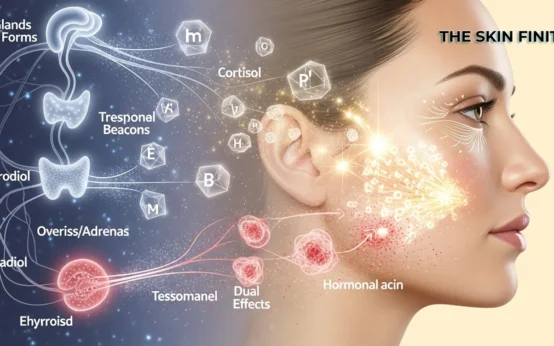 The Invisible Architects: How Your Hormones Dictate Your Skin’s Health, Glow, and Age
  The Ultimate Skincare Routine for Night Shift Workers: Adapting Your Regimen to Irregular Sleep
  Herbal Extracts in Skincare: Aloe Vera, Green Tea, and Chamomile
  Fading Sun Damage: Your Expert Guide to Reversing Spots and Uneven Tone
 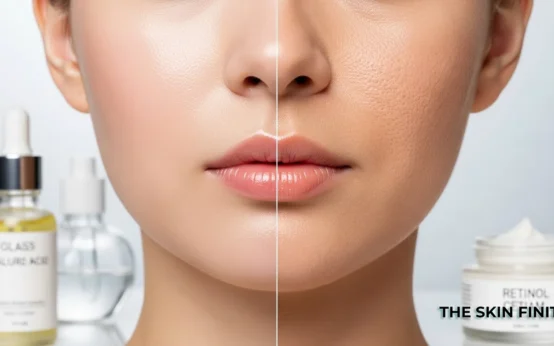 Understanding Skin Texture: Smooth vs. Rough and How to Improve It