
 The Skin Finity
 Let’s start with the skincare myth that’s likely costing you a healthy complexion: “My face is already an oil slick by noon—why on earth would I add more moisture?”
If you’ve ever thought this, you’re not alone. This belief is the #1 reason people with oily or acne-prone skin sabotage their own skincare goals. They avoid moisturizer like it’s the enemy, thinking it will only make their skin greasier or cause more breakouts. But here’s the truth that changes everything: Skipping moisturizer when you have oily skin is like trying to put out a grease fire with water. It backfires spectacularly.
Your skin isn’t just being difficult. That excessive shine is often a distress signal—a sign of dehydration and a damaged barrier, not just overactive oil glands. The right daily moisturizer is not a luxury; it’s essential maintenance for your body’s largest organ, regardless of whether your skin is dry, oily, combination, or “normal.”
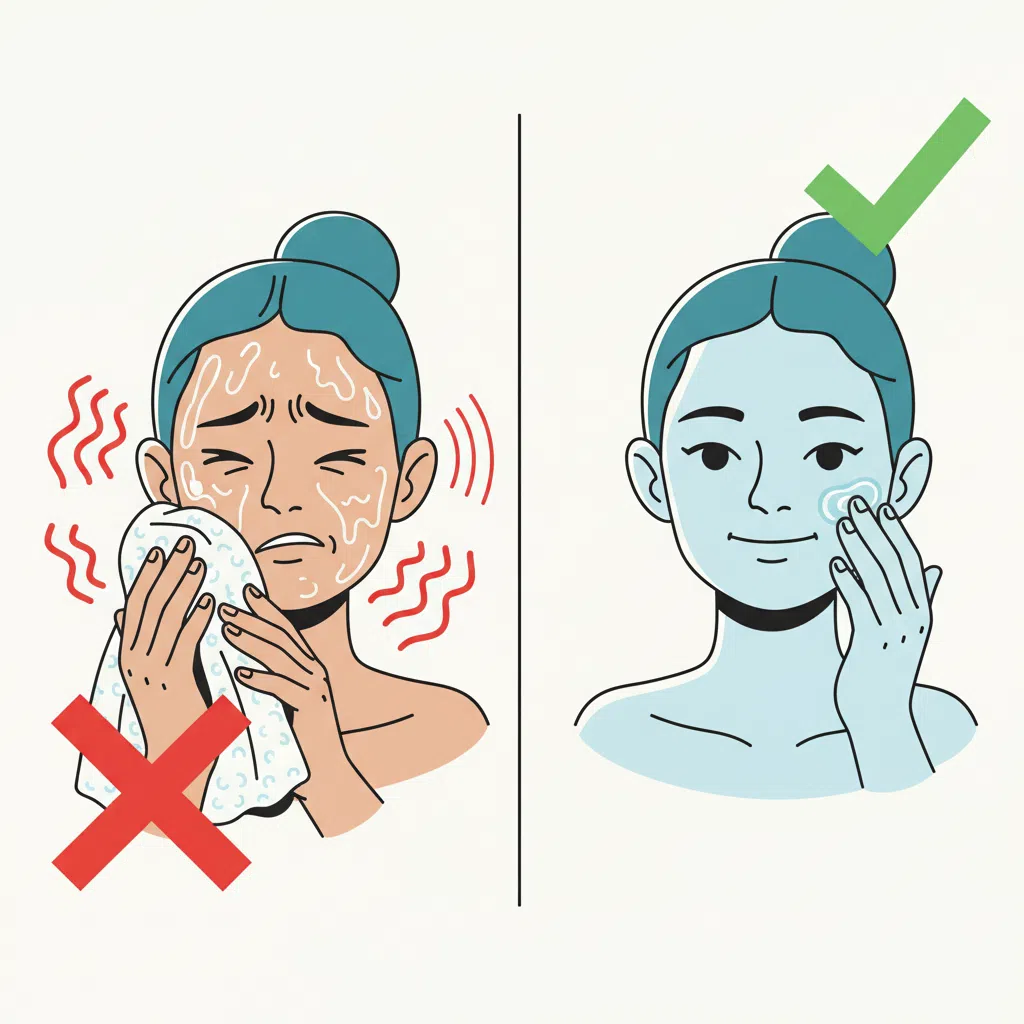
Think of it this way: A facial moisturizer has three core jobs:
- Hydrate: Deliver water to thirsty skin cells.
- Seal: Create a protective layer to prevent that precious water from evaporating (this is Transepidermal Water Loss, or TEWL).
- Protect & Repair: Support and fortify your skin’s natural barrier against daily aggressors like pollution, bacteria, and irritants.
This guide will dismantle the myths, explain the undeniable importance of moisturizer, and give you the clear, actionable knowledge to choose and use the perfect one for your unique skin. Whether you’re searching for the best moisturizer for oily skin or just starting your skincare journey, consider this your ultimate Moisturizer 101.
The Science of Skin: Why Your Barrier Demands Moisture
To understand why moisturizer is non-negotiable, you need to meet your skin’s MVP: the skin barrier.
Your Skin Barrier: The Body’s Best Security System
Imagine your outermost layer of skin (the stratum corneum) as a brick wall. The skin cells (corneocytes) are the bricks, and a glue-like mixture of lipids—ceramides, cholesterol, and fatty acids—is the mortar. This “brick and mortar” structure is your skin barrier.
A healthy, intact barrier does two critical things:
- Keeps good stuff IN: It locks in natural hydration, keeping your skin plump and resilient.
- Keeps bad stuff OUT: It shields against environmental pollutants, allergens, bacteria, and irritants.
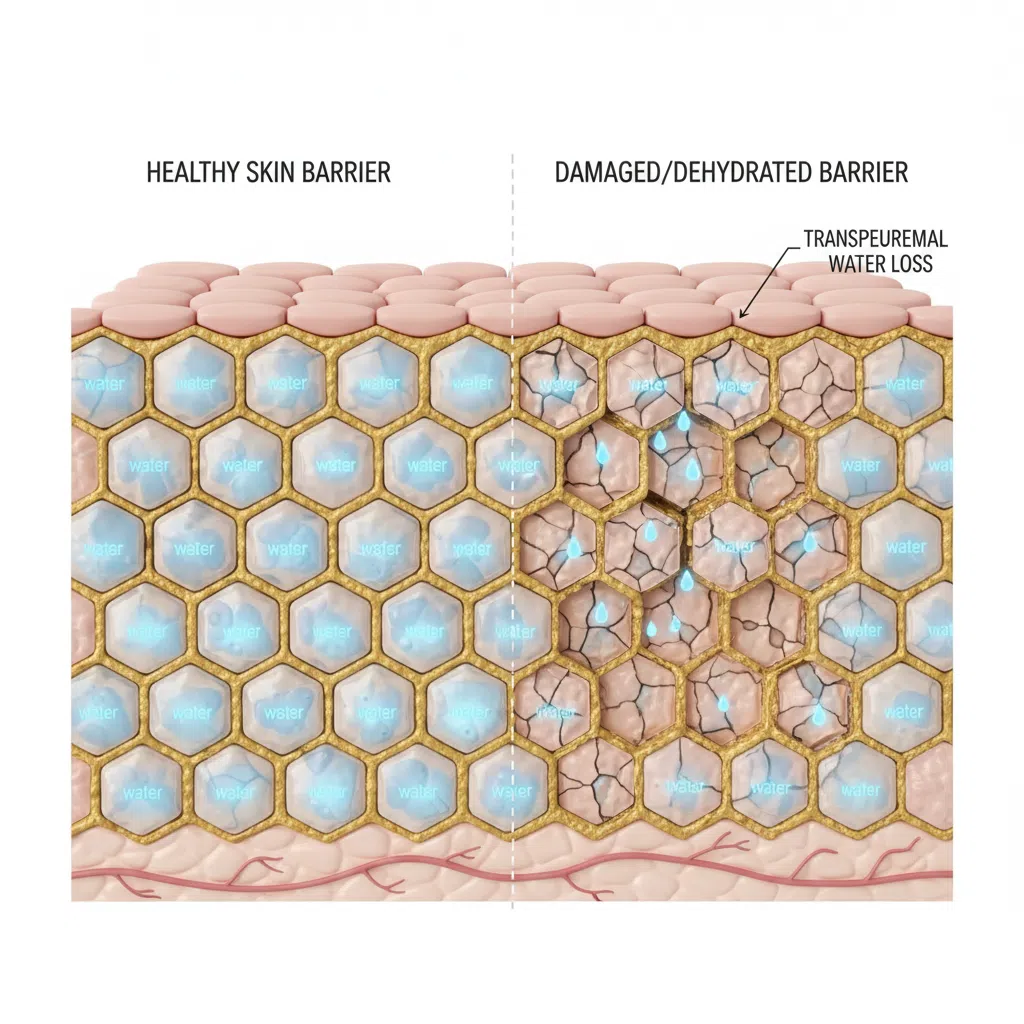
When this barrier is compromised—by harsh cleansers, over-exfoliation, weather, or, yes, skipping moisturizer—the mortar cracks. Water escapes easily (leading to dehydration), and irritants sneak in (leading to sensitivity, redness, and inflammation). Your moisturizer’s primary role is to act as maintenance crew for this wall, providing the materials for repair and a temporary protective seal.
Oil vs. Water: Decoding Your Skin’s Signals
This is the crucial distinction that dispels the oily-skin myth.
- Oil (Sebum): A lubricating substance produced by your sebaceous glands. Its amount is largely determined by genetics and hormones.
- Water (Hydration): The moisture content within your skin cells, drawn from the water you drink and the humidity in your environment.
They are separate systems. You can have oily skin (lots of sebum) that is also severely dehydrated (lacking water). In fact, this is incredibly common. When your skin is dehydrated, it can panic and signal your oil glands to produce even more sebum to try and lubricate the parched surface. This creates the frustrating “oily but tight” paradox.
Dermatologist Insight: The American Academy of Dermatology notes that stripping the skin of oil without replenishing hydration can disrupt the barrier, often worsening oiliness and acne over time. Hydration is calming; dehydration is inflammatory.
Busting the Biggest Moisturizer Myths
Let’s dismantle the misinformation that’s holding your skin back.
Myth 1: “Oily Skin Doesn’t Need Moisturizer.”
- The Truth: Oily skin has an impaired barrier that needs support just as much as dry skin. The goal isn’t to add oil; it’s to add water with a formula that won’t clog pores. A good moisturizer for oily skin provides lightweight hydration, calms inflammation, and can even help regulate sebum production over time.
- The Consequence: Skipping it leads to a damaged barrier, increased Transepidermal Water Loss, and a cycle of excessive oil production and breakouts.
Myth 2: “Moisturizer Will Make Me Break Out.”
- The Truth: Comedogenic (pore-clogging) ingredients in poorly formulated creams can cause breakouts. This is a formulation issue, not an inherent problem with moisturizers as a category.
- The Solution: The magic phrase is non comedogenic moisturizer. This means the product is formulated with ingredients less likely to block pores. Furthermore, ingredients like niacinamide (which regulates oil) and hyaluronic acid (which hydrates without weight) are actually beneficial for acne-prone skin. Always patch test a new product.
Myth 3: “The More Expensive, The Better.”
- The Truth: A high price tag doesn’t guarantee efficacy. Many affordable drugstore moisturizers contain the same hero ingredients (ceramides, hyaluronic acid, niacinamide) as luxury brands. Focus on the ingredient list and texture, not the brand name or packaging.
How to Choose Your Perfect Moisturizer: A Skin-Type Guide
Navigating the aisle doesn’t have to be overwhelming. Use this as your blueprint.
Decoding Formulas: Gels, Lotions, and Creams
The texture is your first clue to compatibility.
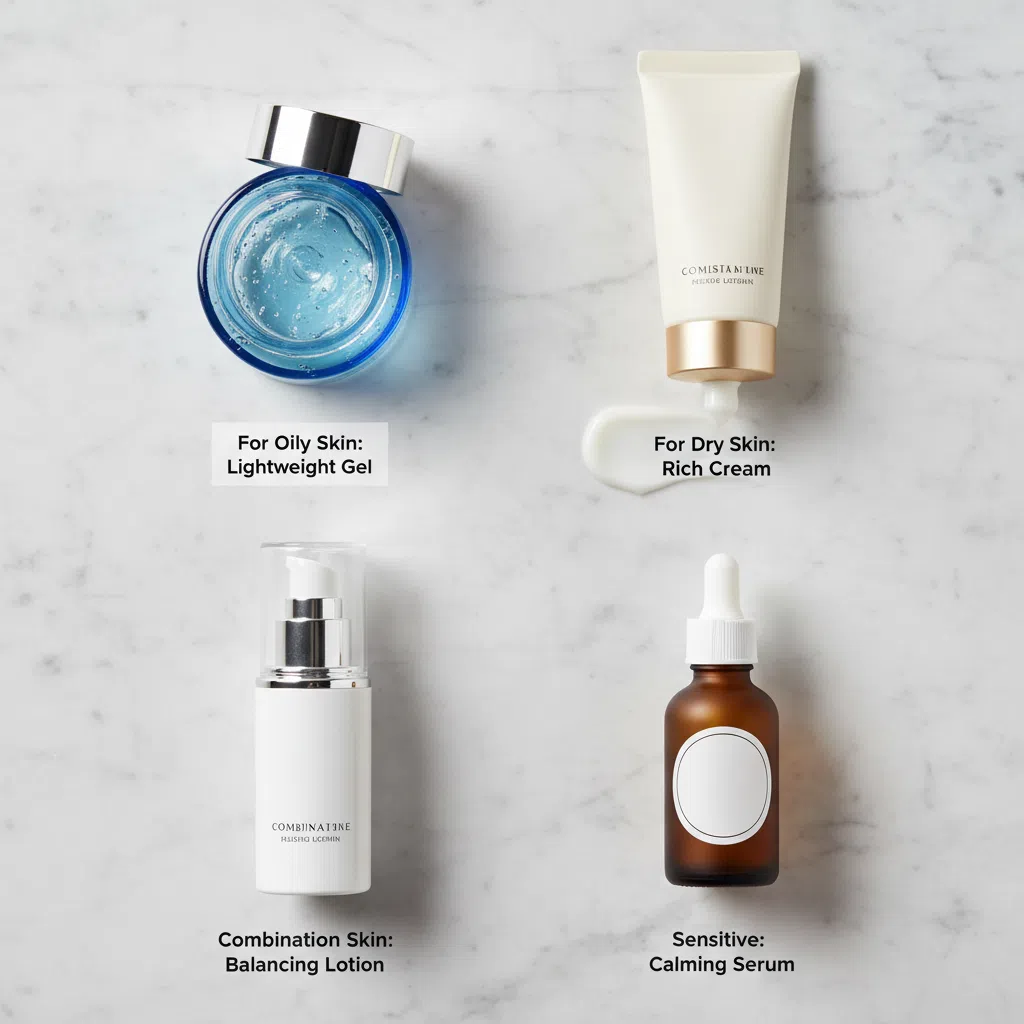
- Gel & Gel-Cream: The best moisturizer for oily skin. Water-based, incredibly lightweight, and often with a matte or fresh finish. They hydrate deeply without leaving a greasy residue. (Keyword: gel moisturizer for oily skin)
- Lotion: A great middle-ground for normal to combination skin. Thinner than a cream but more substantial than a gel, offering balanced hydration.
- Cream & Balm: Formulated for dry to very dry skin. Rich, buttery, and oil-based, they provide intense nourishment and a strong occlusive seal to prevent moisture loss.
The Ingredient Spotlight: What to Look For
Become an ingredient detective. Here’s what to prioritize:
- For Universal Hydration: Hyaluronic Acid, Glycerin, Sodium PCA. These humectants attract water to the skin like magnets.
- For Barrier Repair (Essential for All): Ceramides, Cholesterol, Fatty Acids. These are the “mortar” your skin barrier needs to repair itself. Look for a ceramide moisturizer.
- For Oil & Pore Control: Niacinamide (the superstar for regulating oil and minimizing pores), Zinc PCA, and low concentrations of Salicylic Acid.
- For Soothing Sensitive Skin: Centella Asiatica (Cica), Panthenol (Pro-Vitamin B5), Colloidal Oatmeal, Allantoin.
Your Personalized Moisturizer Checklist
| Skin Type | Look For These Words | Key Ingredients | Texture to Try |
|---|---|---|---|
| Oily/Acne-Prone | Oil-Free, Non-Comedogenic, Mattifying | Niacinamide, Hyaluronic Acid, Zinc | Gel |
| Combination | Lightweight, Balancing, Oil-Free | Hyaluronic Acid, Ceramides, Soothing Botanicals | Gel-Cream or Light Lotion |
| Dry | Nourishing, Barrier Repair, Rich | Ceramides, Squalane, Shea Butter | Cream |
| Sensitive | Fragrance-Free, Dye-Free, Hypoallergenic | Ceramides, Oat, Panthenol | Simple Lotion or Cream |
The Art of Application: How to Apply Moisturizer Correctly

Even the best face moisturizer for oily skin won’t work if applied incorrectly.
Step-by-Step: The When, How, and How Much
- When: Twice daily, without fail. In the AM, after cleansing and treatment serums, and always before sunscreen. In the PM, after cleansing and any targeted treatments (like retinol or acne treatments).
- How Much: The classic “pea-sized amount” is often too little. For your face and neck, aim for a dime-to-nickel sized dollop. It should be enough to create a thin, even layer without leaving a white cast or heavy residue.
- Technique: After cleansing, while your skin is still slightly damp (this helps lock in water), dot the moisturizer on your forehead, cheeks, chin, and neck. Using clean fingertips, gently massage it in with upward and outward strokes until fully absorbed. Don’t forget your neck!
Integrating into Your Routine: AM vs. PM
- Morning Routine Goal: Protect. Cleanse → (Toner/Serum) → Moisturizer → Sunscreen. Your AM moisturizer should be lightweight and play well under SPF.
- Night Routine Goal: Repair. Cleanse → (Treatments like Retinol/AHAs) → Moisturizer. Night is the time to use richer, treatment-oriented formulas that support your skin’s natural repair process.
- Seasonal Shifts: You may need a lightweight moisturizer for oily skin in humid summers and a slightly more emollient lotion in dry winters, even if your skin type is oily.
Product Picks: Moisturizer Recommendations for Every Type & Budget
Here are trusted formulations that align with the principles above. (Remember: patch test!)
Best Moisturizers for Oily Skin
- Drugstore Champion: Neutrogena Hydro Boost Water Gel. A fragrance-free hyaluronic acid moisturizer that delivers a surge of hydration with a non-greasy, gel finish.
- Mid-Range Hero: La Roche-Posay Effaclar Mat Anti-Shine Face Moisturizer. A mattifying moisturizer with Sebulyse technology to target excess oil and refine pores.
- Splurge-Worthy: Tatcha The Water Cream. A unique gel-cream that bursts into a water-like texture, packed with Japanese leopard lily to help minimize the appearance of pores.
Best Moisturizers for Dry Skin
- Drugstore Champion: CeraVe Moisturizing Cream. The holy grail ceramide moisturizer with three essential ceramides and hyaluronic acid to restore and maintain the skin barrier.
- Mid-Range Hero: First Aid Beauty Ultra Repair Cream. Intensely nourishing with colloidal oatmeal and shea butter, perfect for soothing very dry, flaky skin.
- Splurge-Worthy: SkinFix Barrier+ Triple Lipid-Peptide Cream. A clinical-strength formula designed to replenish the critical 3:1:1 ratio of ceramides, cholesterol, and fatty acids your barrier needs.
Best Moisturizers for Combination Skin
- Drugstore Champion: Cetaphil Daily Hydrating Lotion. With hyaluronic acid, it provides essential, non-greasy hydration that balances different zones of the face.
- Mid-Range Hero: Belif The True Cream Aqua Bomb. A gel-cream that provides long-lasting hydration without heaviness, ideal for T-zone shine and cheek dryness.
- Splurge-Worthy: Kiehl’s Ultra Facial Cream. A famously well-balanced cream that provides 24-hour hydration with a lightweight feel, suited to varying climates and skin zones.
Best Moisturizers for Sensitive Skin
- Drugstore Champion: Vanicream Moisturizing Cream. Formulated without common irritants like fragrance, dye, and parabens. Incredibly bland and effective for reactive skin.
- Mid-Range Hero: Aveeno Calm + Restore Oat Gel Moisturizer. A breathable gel formula with prebiotic oat to soothe and strengthen sensitive skin’s moisture barrier.
- Splurge-Worthy: Dr. Jart+ Cicapair Tiger Grass Cream. Centella Asiatica-based formula that not only moisturizes but actively calms redness and irritation.
Frequently Asked Questions (Moisturizer Edition)
1. Why is moisturizer important for oily skin?
It hydrates dehydrated skin (which can reduce compensatory oil production), supports a healthy barrier to reduce inflammation, and can deliver oil-regulating ingredients like niacinamide.
2. Does oily skin need moisturizer?
Yes, unequivocally. It needs the right type of moisturizer—lightweight, oil-free, and non-comedogenic.
3. What is the best moisturizer for oily skin?
Look for oil-free, non-comedogenic gels or gel-creams containing hyaluronic acid and/or niacinamide.
4. How do I choose a moisturizer for my skin type?
Identify your primary concern (oiliness, dryness, sensitivity, combination), then match the texture (gel, lotion, cream) and key ingredients from the guide above.
5. What are the benefits of using moisturizer daily?
Daily hydration, stronger skin barrier, reduced appearance of fine lines, calmer and less reactive skin, and a smoother base for makeup.
6. How much moisturizer should I apply?
Start with a dime-sized amount for your face; add more if needed to cover the face and neck thinly and evenly.
7. What’s the correct way to apply moisturizer?
Apply to clean, slightly damp skin using gentle upward strokes. Don’t rub or pull at the skin.
8. What does “non-comedogenic” mean?
It means the product is formulated with ingredients that are less likely to clog pores, a crucial feature for acne-prone and oily skin types.
9. Is a gel moisturizer better for oily skin?
Typically, yes. Its water-based, lightweight texture provides hydration without adding grease or heaviness.
10. Can moisturizer cause breakouts?
Only if it contains comedogenic ingredients unsuitable for your skin or if you’re allergic to something in it. Choosing non-comedogenic products and patch-testing minimizes this risk.
11. What ingredients should I look for in a moisturizer for oily skin?
Hyaluronic Acid, Niacinamide, Zinc PCA, and lightweight ceramides.
12. Do I need a separate night moisturizer?
It can be beneficial (using a treatment-oriented or richer cream at night), but if you have oily skin, your same lightweight moisturizer is often sufficient.
13. How does hyaluronic acid help in a moisturizer?
It’s a powerful humectant that draws water from the air and deeper skin layers into the surface, plumping and hydrating without oil.
14. What’s the #1 moisturizer myth you should ignore?
That oily skin doesn’t need moisturizer. Hydration is a universal need.
15. Can I use a moisturizer with SPF instead of separate products?
You can, but you must apply enough (about 1/4 teaspoon for the face) to get the full SPF protection. Most people don’t apply enough moisturizer to achieve this, so dermatologists often recommend separate sunscreen as the final step.
The Final Word: Hydration is for Everyone
Let’s cement the fundamental truth: using a daily moisturizer is as essential for skin health as drinking water is for your body. It is not a step reserved for the dry-skinned among us. It’s a universal pillar of a functioning skincare routine—a daily act of support for your skin’s vital barrier.
Forget the old myths. Your oily skin isn’t telling you to avoid moisture; it’s begging you for the right kind. Your journey to balanced, calm, and healthy skin starts with honoring this basic need.
Don’t overcomplicate it. Tonight, after you cleanse, take a pea-sized amount of a simple, fragrance-free moisturizer suited to your skin type. Apply it to your damp skin, feel the instant relief of hydration, and observe. That comfortable, supple feeling? That’s your skin barrier thanking you.
Ready for the next step in your skincare education? Learn how to lock in all this good work and protect your skin from its #1 ager in our essential guide: Sunscreen 101: Your Non-Negotiable Daily Defense.


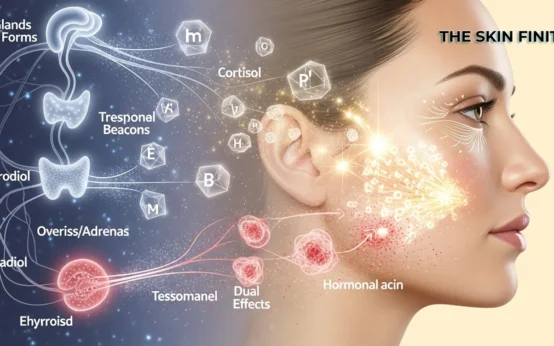 The Invisible Architects: How Your Hormones Dictate Your Skin’s Health, Glow, and Age
  The Ultimate Skincare Routine for Night Shift Workers: Adapting Your Regimen to Irregular Sleep
  Herbal Extracts in Skincare: Aloe Vera, Green Tea, and Chamomile
  Fading Sun Damage: Your Expert Guide to Reversing Spots and Uneven Tone
 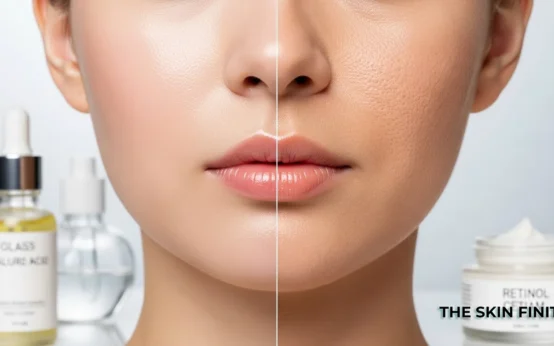 Understanding Skin Texture: Smooth vs. Rough and How to Improve It
  The Ultimate Skincare Routine Order Guide: What Dermatologists Say Actually Works