
 The Skin Finity
 Embracing Nature’s Wisdom for Your Skin
In an era where skincare routines can feel overwhelmingly complex and prohibitively expensive, a growing number of individuals are seeking a return to simplicity and transparency. The allure of lengthy ingredient lists filled with unpronounceable chemicals is fading, replaced by a desire for foundational, earth-derived solutions. This movement finds its roots in the timeless practice of herbal skin care — a holistic approach that utilizes the potent properties of plants, herbs, flowers, and roots to nurture, heal, and balance the skin. But a common misconception persists: that embracing this natural, effective path requires a significant financial investment. This comprehensive guide dismantles that myth, serving as your detailed roadmap to transitioning to a results-driven herbal skin care regimen that respects your budget. We will delve into the rich history, demystify the key botanical players, and provide a practical, step-by-step framework for building a routine that delivers a radiant, healthy complexion without compromise.
The Roots of Herbal Skincare: More Than a Trend
To fully appreciate the power of herbal skin care, one must understand that it is not a modern marketing invention but a practice woven into the very fabric of human history. For millennia, every culture has developed a deep, symbiotic relationship with its local flora, creating sophisticated beauty and wellness traditions long before the advent of modern laboratories.
A Historical Perspective: Ancient Apothecaries
In ancient India, the 5,000-year-old medical system of Ayurveda classified herbs like Neem and Turmeric for their profound purifying and anti-inflammatory properties, using them in pastes and oils to treat skin conditions. Traditional Chinese Medicine (TCM) revered herbs like Ginseng for its ability to revitalize and improve skin elasticity, and Green Tea for its antioxidant protection against environmental stressors. The Egyptians famously used Aloe Vera to soothe and heal burns and Frankincense in their anti-aging rituals. These were not random experiments; they were refined systems of knowledge based on centuries of observation and practice, grounded in an understanding of the unique energetic and healing properties of each plant.
The Modern Revival: A Return to Conscious Living
The contemporary resurgence of herbal skin care is a direct response to the desire for clean, conscious, and holistic living. Today’s consumer is more informed and inquisitive, often asking, “What am I putting on my skin?” This curiosity stems from a broader shift towards wellness, sustainability, and ingredient transparency. People are drawn to the story and source of their products, seeking a connection to the natural world that feels authentic and responsible.
Core Philosophy: Working in Harmony with Your Skin
At its heart, the philosophy of herbal skin care is one of harmony, not force. Unlike some synthetic formulations that may aggressively strip the skin or force a single outcome, botanicals aim to work with the skin’s natural biology. They provide the building blocks — antioxidants, vitamins, fatty acids, and anti-inflammatory compounds — that the skin needs to find its own balance, strengthen its barrier, and activate its innate healing processes. This gentle yet potent approach proves that truly effective skincare doesn’t have to be complex, harsh, or synthetically derived to deliver transformative results.
The Herbal Ingredient Glossary: A Guide to Nature’s Powerhouses
Building an effective and personalized herbal skin care routine begins with a foundational understanding of the key players. This glossary details nature’s most potent botanicals, categorized by skin concern, to help you make informed choices for your unique needs.
For Soothing & Calming Skin (Sensitive, Reactive, Rosacea-Prone)
If your skin is prone to redness and irritation, or if you suffer from conditions like eczema, these gentle healers provide comfort and stability.
- Chamomile: A quintessential calming herb, chamomile is rich in the antioxidant apigenin and possesses potent anti-inflammatory properties. It effectively soothes irritation, reduces visible redness, and is gentle enough for use on the delicate skin around the eyes. Look for it in creams, toners, and facial mists.
- Calendula: Often called “pot marigold,” calendula is a healing virtuoso. Its secret lies in compounds like flavonoids and triterpenoids, which stimulate cellular regeneration and tissue repair. It is exceptionally effective for soothing broken skin, easing the discomfort of eczema and dermatitis, and promoting wound healing. It is a star ingredient in balms, salves, and intensive treatment creams.
- Lavender: Beyond its universally calming aroma, lavender essential oil is a versatile skincare ally. It offers antiseptic properties that help prevent infection in minor blemishes while simultaneously reducing inflammation and balancing skin tone. It promotes overall skin harmony and is an excellent addition to nighttime products for its relaxing scent.
For Clarifying & Purifying Skin (Oily, Acne-Prone, Congested)
For those battling excess sebum, frequent breakouts, and congested pores, these herbs offer a deep, clarifying cleanse without compromising the skin’s barrier.
- Tea Tree: A potent antimicrobial and antiseptic, tea tree oil is a gold-standard herbal treatment for acne. Its key component, terpinen-4-ol, actively fights the bacteria (C. acnes) responsible for inflammatory acne. It helps to unclog pores, reduce the size and redness of existing blemishes, and regulate oil production. It should always be diluted in a carrier oil or serum for targeted application.
- Witch Hazel: This natural astringent, derived from the bark and leaves of the Hamamelis plant, is excellent for toning the skin and temporarily tightening the appearance of pores. It gently removes excess oil and surface impurities while providing mild anti-inflammatory benefits to soothe minor irritation. Opt for alcohol-free witch hazel distillates to avoid overdrying.
- Neem: A cornerstone of Ayurvedic herbal skin care, neem is one of the most potent antibacterial and antifungal herbs available. Its bitter compounds, such as nimbidin, make it incredibly effective for managing stubborn acne, psoriasis, and fungal conditions. It provides a deep, purifying cleanse and can be found in soaps, face packs, and concentrated oils.
For Nourishing & Revitalizing Skin (Dry, Mature, Dehydrated)
To combat dryness, flakiness, and the visible signs of aging, these nourishing herbs deliver intense hydration and encourage cellular renewal.
- Rose: More than just a beautiful fragrance, rose is a skincare powerhouse. Rosehip seed oil is rich in vital fatty acids (omega-3 and 6) and trans-retinoic acid, a precursor to Vitamin A, which helps to regenerate skin tissue, improve texture, and reduce the appearance of scars and fine lines. Rose hydrosol is intensely hydrating and helps to maintain the skin’s optimal pH balance.
- Aloe Vera: Famous for its sunburn-soothing properties, aloe vera is a phenomenal hydrator and healer. Its gel is packed with a polysaccharide-rich matrix containing vitamins, minerals, and amino acids that penetrate deeply to soothe inflammation, provide lasting moisture, and accelerate the skin’s natural repair processes. It is a versatile base for gels, moisturizers, and after-sun care.
- Gotu Kola: Often called the “herb of longevity,” it’s a secret weapon for firm, youthful skin. Clinical studies have demonstrated that its active ingredients, triterpenoids, increase the synthesis of collagen Types I and III, fortifying the skin’s underlying matrix. This results in increased firmness and elasticity as well as a noticeable decrease in the visibility of wrinkles, scar tissue, and fine lines.
For Brightening & Evening Tone (Hyperpigmentation, Dullness)
To address dark spots, post-acne marks, and overall dullness, these natural brighteners help reveal a more even, radiant complexion.
- Liquorice Root: A gentle yet highly effective skin brightener, liquorice root extract contains glabridin, a compound that inhibits the enzyme tyrosinase, which produces melanin. This action helps to fade existing hyperpigmentation and prevent new dark spots from forming. Its anti-inflammatory properties make it an excellent, non-irritating alternative to harsher brightening agents.
- Turmeric: This vibrant golden spice contains the potent anti-inflammatory compound curcumin. It helps to brighten the overall complexion by reducing inflammation that can lead to post-inflammatory hyperpigmentation (PIH). It also provides antioxidant protection. Note: When using DIY masks with turmeric, combine it with a carrier like yogurt or honey to prevent temporary yellow staining on the skin.
Building Your Personalized Herbal Skincare Routine
Transitioning to an herbal skin care routine is a journey of discovery, not an overnight revolution. By building your regimen step-by-step and focusing on strategic, multi-tasking products, you can create an effective routine that is both kind to your skin and your wallet.
A Step-by-Step Guide to a Herbal Regimen
- Cleansing: The Foundation of Herbal Care. Start with a clean slate. In the evening, an herbal oil cleanser infused with calming chamomile or balancing lavender can effectively dissolve sunscreen and makeup while nourishing the skin. For the morning or a second cleanse, a gentle herbal foam or cream with purifying neem or tea tree can refresh without stripping the skin’s natural oils. Budget Tip: A simple bottle of pure jojoba oil can serve as an effective, multipurpose oil cleanser.
- Toning: The Hydrating Bridge. Modern herbal skin care toners are not alcohol-based astringents but hydrating elixirs. Herbal hydrosols (also called floral waters), such as rosewater, lavender water, or witch hazel distillate, are perfect for this step. Following cleansing, they hydrate the skin, raise its pH, and get it ready to absorb therapies more effectively. They can also be used as a refreshing face mist throughout the day.
- Treating: Targeted Herbal Solutions. Here, you use concentrated actives to address your particular skin issues. Seek out face oils or herbal serums with high concentrations of the necessary botanicals. A face oil made from rosehip seed and gotu kola will address moisture and fine wrinkles, while a serum with liquorice root and vitamin C will focus on brightness. Budget Tip: Investing in a single, high-quality treatment product that aligns with your primary skin goal is more effective than buying several mediocre products.
- Moisturizing & Masking: Sealing in the Benefits. The final step is to lock in all the goodness and protect your skin barrier. Choose a herbal moisturizer with ingredients like shea butter or aloe vera gel, infused with calming herbs like calendula for daytime use. Once or twice a week, incorporate a treatment mask. This is a perfect area for budget-friendly options, using either powdered herbs (like neem or turmeric) mixed with water or honey, or an affordable pre-made clay mask.
Smart Shopping for Herbal Skincare: A Strategic Guide to Maximizing Value
Navigating the world of herbal skin care products can be daunting. You may build an effective arsenal without going over budget by focusing on high-quality, versatile products and wise procurement.
The mindset of the “Starter Kit”: Give Multi-Tasking Heroes Priority
Avoid the temptation to purchase a product for each step right away. Start with a simple “starter kit” composed of multipurpose items. This approach saves money and simplifies your routine while you learn what your skin responds to best.
- A high-quality facial oil like rosehip seed can act as both a treatment serum and a moisturizer.
- A bottle of rosewater or lavender hydrosol can be used as a toner, a light moisturizer for oily skin, or a refreshing face mist throughout the day.
- A pot of a rich calendula cream can serve as your daily moisturizer, an overnight mask, and a soothing treatment for dry patches on hands and elbows.
Identify Your Non-Negotiables and Compromise on the Rest
Conduct an honest audit of your skin’s primary need. Is it intense hydration? Controlling persistent breakouts? Calming extreme sensitivity? Direct the bulk of your budget to the product category that addresses this core concern.
- If your goal is hydration, invest in a high-quality, potent serum or facial oil with nourishing herbs like rose or aloe vera. You can then choose a more affordable, basic cleanser.
- Invest in a clarifying treatment serum containing a high concentration of tea tree oil or salicylic acid (derived from willow bark) if you want to control acne. To preserve the integrity of your barrier, you can then make do with a milder, less costly moisturizer.
Where to Shop: Finding Budget-Friendly Gems
- Local Health Food Stores and Co-ops: Often overlooked, they are treasure troves. They frequently stock affordable, pure ingredients, such as carrier oils (jojoba, sweet almond) and essential oils from reputable brands, allowing you to custom-blend treatments. They also carry simple, effective products from smaller, value-driven brands.
- Online Marketplaces & Direct-to-Consumer Brands: Smaller, indie online brands often bypass traditional retail markups, offering high-quality, concentrated formulas at more accessible price points than luxury department store brands. Many of these brands also provide affordable sample sizes, so you can test a product before committing to a full-size, expensive bottle.
- Become a Label Detective: Before any purchase, spend time scrutinizing the ingredient list. The main herbal active ingredients you want should be at the top of the list (with higher concentrations). Be wary of “greenwashing” — products that use herbal imagery but relegate the actual herbs to the very bottom of the ingredient list. See actual outcomes from people with comparable skin types by reading reviews.
Navigating the World of Herbal Products: A Buyer’s Guide
When you’re ready to purchase pre-made herbal skin care, a discerning and educated eye is your most powerful tool for ensuring you get actual value and efficacy.
How to Read Labels Like a Pro
The ingredient list is your source of truth, not the marketing copy on the front of the bottle. The ingredients are presented in decreasing concentration order. If a product is named “Revitalizing Rose Cream,” but Rosa Damascena (Rose) Flower Oil is the last ingredient, it is not a true herbal powerhouse. Prioritize products where the key botanical actives appear within the first five to seven ingredients.
Demystifying Marketing Terms: Natural, Organic, and Herbal
- “Natural”: This is essentially an unregulated and overused marketing term. A product can be called “natural” even if it has a lot of synthetics and only 1% natural ingredients.
- “Organic”: This term refers to the agricultural process — how the plant ingredients were grown, without synthetic pesticides or fertilizers. To confirm these claims, look for formal certifications like COSMOS or USDA Organic.
- “Herbal”: This specifies that the active, functional ingredients are derived from plants. The ideal product is both herbal (plant-powered) and organic (cleanly sourced).
Trusting Quality and Brand Transparency
Seek out brands that practice radical transparency. Do they share information about where they source their herbs? Are they open about their manufacturing processes? Do they provide the percentage of key active ingredients? Reputable companies are proud of their supply chain and formulations and will share this information willingly. Supporting these brands ensures you are investing in authentic, effective, and ethically produced herbal skin care.
Cultivating Your Natural Glow, One Step at a Time
Making the switch to a herbal skin care regimen is a fulfilling return to effectiveness, simplicity, and a closer relationship with nature. Knowing the age-old power of plants and how to use them for your particular skin type, while being a mindful financial steward, is the key to empowering yourself. Remember, this shift does not require perfection or a complete overnight overhaul. Start slowly, introduce one new herb or product at a time, and, most importantly, listen to what your skin tells you. You can confidently build a glowing, healthy complexion from the ground up with time, perseverance, and the fundamental knowledge from this guide, demonstrating that the most accessible remedies are also those found in nature.


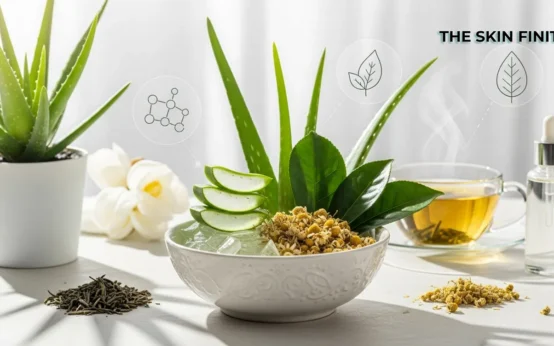 Herbal Extracts in Skincare: Aloe Vera, Green Tea, and Chamomile
  The Beginner’s Guide to a Simple, Effective Daily Skincare Routine: Step-by-Step