
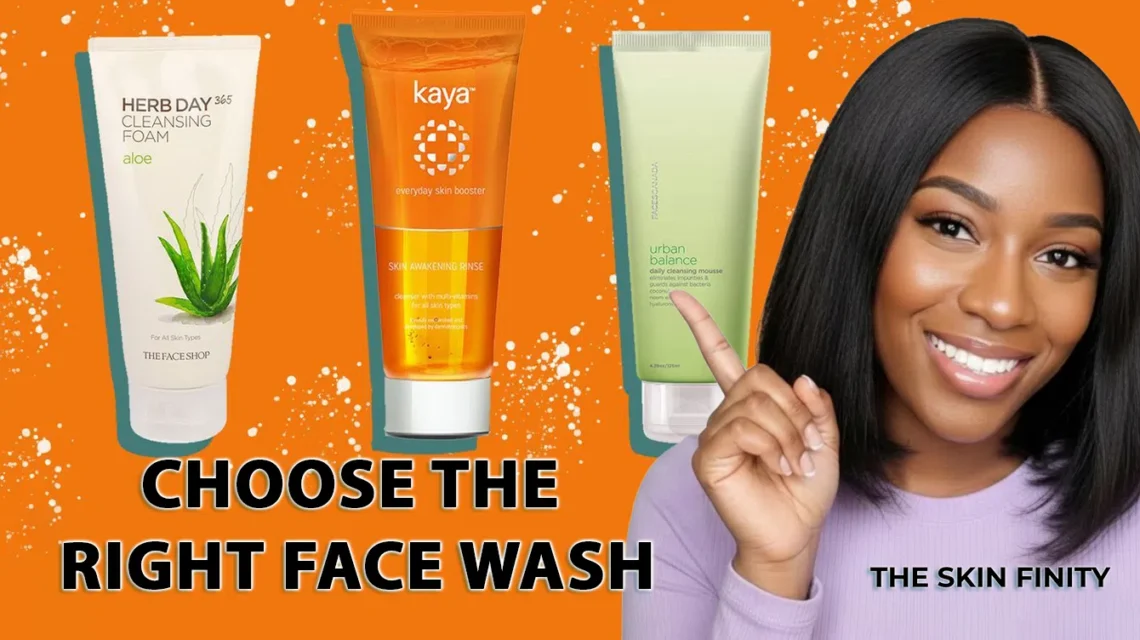
 The Skin Finity
 Have you ever stood in the skincare aisle, utterly paralyzed by a sea of bottles promising purity, clarity, and glow? Gel, foam, cream, oil, “purifying,” “hydrating,” “barrier-supporting”—the options are endless, and the pressure to pick the best face cleanser feels immense. You’re not alone. Choosing a cleanser is the foundational step of any skincare routine, yet it’s often where we go most wrong.
Think of your cleanser like shampoo for your face. Just as you wouldn’t use a heavy, moisturizing shampoo on fine, oily hair, you can’t use a harsh, stripping foaming face cleanser on dry, delicate skin. The right match cleanses effectively, respects your skin’s natural balance, and sets the stage for every serum and moisturizer that follows. The wrong one? It can sabotage your entire routine, leading to tightness, breakouts, excess oil, or a compromised skin barrier.
This guide is your definitive roadmap out of the confusion. We’ll cut through the marketing jargon and dive into the science of surfactants and pH balance. You’ll learn how to identify your true skin type, decode ingredient lists, and discover the perfect facial cleanser for sensitive skin, oily complexions, dryness, and everything in between. By the end, you’ll have the confidence to choose the right cleanser for your skin type every single time.
Why Your Cleanser Choice is the Most Important Decision in Your Routine
Many of us treat cleansers as an afterthought, a mere prelude to the “active” products. This is a critical mistake. Your cleanser is the guardian of your skin’s first line of defense: the acid mantle and moisture barrier.
Imagine your skin barrier as a brick wall. The skin cells (keratinocytes) are the bricks, and lipids (ceramides, cholesterol, fatty acids) are the mortar holding them together. A gentle face cleanser carefully removes dirt and oil from the surface. A harsh, alkaline cleanser (like many traditional soaps) strips away the mortar, leaving cracks in the wall. This leads to transepidermal water loss—fancy terminology for your skin losing its precious hydration—resulting in dryness, irritation, sensitivity, and inflammation.
This is where pH balance becomes non-negotiable. Your skin’s surface is naturally slightly acidic, with a happy pH between 4.5 and 5.5. This acidic environment keeps the good bacteria thriving and the bad ones at bay. Cleansers with a pH that matches this range (or is close to neutral, 7) help maintain this delicate ecosystem. Using a high-pH product regularly is like throwing your skin’s natural balance into chaos. The ultimate goal is to find a cleanser that removes impurities without leaving your skin feeling tight, “squeaky clean,” or stripped. That sensation isn’t cleanliness; it’s a sign of barrier distress.
Cleanser Chemistry Decoded: Gels, Foams, Creams, and Oils Explained
To pick a face cleanser intelligently, you need to speak the language. The texture and performance are dictated by surfactants (surface-active agents). Think of a surfactant molecule as having a water-loving head and an oil-loving tail. The tails grab onto oil, dirt, and makeup, while the heads allow them to be rinsed away with water.
Here’s your glossary of the main cleanser types:
- Gel Face Cleanser: These clear, jelly-like formulas are often ideal for oily and combination skin. They can be non-foaming or create a light lather. Gels typically provide a deeper clean without heavy oils, making them a candidate for the best face wash for acne prone skin, especially when infused with ingredients like salicylic acid.
- Foaming Face Cleanser: Known for their satisfying lather, these can be a friend or foe. The key is the surfactant used. Harsh sulfates like SLS/SLES create big bubbles but can be very stripping. Gentle foaming cleansers use amino acid-derived surfactants (like sodium cocoyl glycinate) that clean effectively without disrupting your barrier. Important myth to bust: The amount of foam has no correlation to how “clean” your skin gets. It’s purely a sensory experience.
- Cream Cleanser: The go-to face wash for dry skin and sensitive skin. These rich, lotion-like formulas are typically non-foaming. They use milder surfactants and are often packed with hydrating and soothing ingredients like ceramides and oats. They cleanse by emulsifying dirt and makeup without stripping the skin’s natural oils.
- Oil Cleanser: Employs the “like dissolves like” principle. Oils in the cleanser bind to the sebum, sunscreen, and makeup on your face, melting them away. They are non-comedogenic when formulated correctly and are the superstar first step in the double cleansing method. Contrary to popular belief, a good oil cleanser will not make oily skin oilier; it can actually help regulate sebum production by cleaning pores more effectively.
The First Step: Correctly Identifying Your Skin Type
You can’t find the best cleanser for [skin type] if you don’t know your type. Let’s do a simple, at-home assessment.
The Bare-Faced Test:
- Wash your face with a basic, gentle cleanser and pat dry.
- Apply absolutely no other products.
- Wait 60 minutes, then observe. How does your skin feel?
- Dry Skin: Feels tight, rough, or may show flaky patches. Lacks visible shine. Pores are usually small and less visible.
- Oily Skin: Shows noticeable shine on the forehead, nose, and chin (the T-zone) and often the cheeks. Pores may appear larger. Makeup tends to slide off.
- Combination Skin: The classic T-zone is shiny, but the cheeks feel normal or even tight and dry. This is the most common skin type.
- Sensitive Skin: Reacts easily to products, fragrance, or friction with redness, stinging, burning, or itchiness. It can be dry, oily, or combination underneath.
- Acne-Prone Skin: Characterized by frequent blackheads, whiteheads, papules, and pustules. It can be oily (most common), dry (often due to harsh treatments), or combination.
The Ultimate Cleanser Matchmaking Guide
Now, let’s pair your skin with its perfect partner.
Finding the Best Face Cleanser for Dry Skin
- Goal: Hydrate, nourish, and protect—never strip.
- Your Texture: Cream cleansers, milky lotions, and non-foaming balms are your best friends. Look for hydrating face cleanser on the label.
- Ingredients to Seek: Hyaluronic acid, glycerin, ceramides, squalane, and nourishing oils (jojoba, almond). These help attract and lock in moisture during the cleansing step.
- Ingredients to Avoid: High-foaming sulfates (SLS/SLES), high concentrations of acne-fighting acids (like salicylic acid used daily), and drying alcohols (like SD alcohol 40).
- Application Tip: Use lukewarm water, never hot. Massage gently for 45-60 seconds and rinse thoroughly.
- Product Examples: Drugstore: CeraVe Hydrating Cream-to-Foam Cleanser (a great transitional option), La Roche-Posay Toleriane Dermo-Cleanser. High-End: SkinCeuticals Soothing Foaming Cleanser, Augustinus Bader The Cream Cleansing Gel.
Finding the Best Face Wash for Oily Skin
- Goal: Manage shine, clear pores, and control excess sebum without triggering more oil production (which happens when you over-strip).
- Your Texture: Lightweight gel cleansers and gentle foaming formulas. A gel face cleanser with a slight lather is often ideal.
- Ingredients to Seek: Niacinamide (a superstar for regulating oil and minimizing pores), salicylic acid (BHA to exfoliate inside pores), and clay (kaolin or bentonite to absorb excess oil).
- Ingredients to Avoid: Heavy creams and pore-clogging oils (coconut oil is a common culprit for many). Also, avoid formulas that leave a greasy residue.
- Application Tip: Don’t be tempted to wash more than twice a day. Over-cleansing signals your skin to produce more oil.
- Product Examples: Drugstore: La Roche-Posay Effaclar Purifying Foaming Gel, Cetaphil Pro DermaControl Oil Removing Foam Wash. High-End: Paula’s Choice Resist Perfectly Balanced Foaming Cleanser, Kiehl’s Rare Earth Deep Pore Daily Cleanser.
Finding the Best Facial Cleanser for Combination Skin
- Goal: Achieve the perfect balance—effectively cleanse the oily T-zone while respecting the drier cheeks.
- Your Texture: Gel-cream hybrids, milky lotions, or low-foaming cleansers. Versatility is key.
- Ingredients to Seek: Balancing ingredients like niacinamide and panthenol, paired with mild hydrators like glycerin or aloe vera.
- Ingredients to Avoid: Extremes—super-rich, occlusive creams or intensely astringent, alcohol-heavy gels.
- Pro Tip: You can tailor your cleansing. Focus your massaging fingers more on the oily T-zone (forehead, nose, chin) and glide more gently over the drier cheek areas.
- Product Examples: Drugstore: Aveeno Calm + Restore Nourishing Oat Cleanser (incredibly gentle), Cetaphil Daily Facial Cleanser. High-End: Kiehl’s Ultra Facial Cleanser, Tatcha The Rice Wash (a soft, foaming powder).
Finding the Best Face Wash for Sensitive Skin
- Goal: Soothe, cleanse minimally, and reduce the risk of irritation above all else.
- Your Texture: Cream cleansers, milks, and non-foaming balms. Look for fragrance-free labels.
- Ingredients to Seek: Soothing powerhouses like centella asiatica (cica), colloidal oatmeal, aloe vera, and panthenol. Short, simple ingredient lists are a great sign.
- Ingredients to Avoid: FRAGRANCE (both synthetic and natural essential oils, which are common irritants), physical exfoliants (scrubs), harsh acids (AHA/BHA in high doses), and drying alcohols.
- Application Tip: Be extra gentle. Avoid rubbing with a cloth; use only your fingertips. Rinse with cool or lukewarm water.
- Product Examples: Drugstore: Vanicream Gentle Facial Cleanser (the gold standard for simplicity), La Roche-Posay Toleriane Hydrating Gentle Cleanser. High-End: First Aid Beauty Pure Skin Face Cleanser, Alastin Gentle Cleanser.
Special Focus: The Best Cleanser for Acne-Prone Skin
- Goal: Keep pores clear, reduce inflammation, and prevent new breakouts without causing dryness or irritation.
- Your Texture: Gel face cleansers are often most effective, especially those with treatment ingredients.
- Ingredients to Seek: Salicylic acid face wash (0.5%-2% to exfoliate inside pores), benzoyl peroxide (2.5%-10% as an antibacterial), or sulfur. Niacinamide is also excellent for calming inflammation.
- Crucial Note: Treatment cleansers can be drying. Use them once a day (typically at night) or every other day. Always, always follow with a non-comedogenic moisturizer to support your barrier.
- Product Examples: Drugstore: CeraVe Acne Foaming Cream Cleanser (4% Benzoyl Peroxide), La Roche-Posay Effaclar Medicated Gel Cleanser (2% Salicylic Acid). High-End: SkinCeuticals LHA Cleansing Gel, iS Clinical Cleansing Complex.
How to Pick a Face Cleanser: Pro Tips and Common Pitfalls
Mastering the Technique:
It’s not just what you use, but how you use it. Wet your face with lukewarm water. Dispense a dime-sized amount of cleanser and emulsify it between your hands. Massage onto your face using gentle, upward circular motions with your fingertips—no abrasive tools needed. Spend about 60 seconds; this gives the cleanser time to work and allows ingredients like salicylic acid to penetrate. Rinse thoroughly and pat—don’t rub—dry with a clean towel.
The Double Cleansing Breakdown:
This two-step method is a game-changer, especially if you wear makeup, sunscreen, or live in a polluted city.
- First Cleanse: Use an oil cleanser or balm to dissolve and melt away makeup, SPF, and excess sebum. It will emulsify and rinse clean with water.
- Second Cleanse: Follow with your regular water-based cleanser (gel, foam, or cream) to clean the actual skin.
This ensures a truly clean canvas without the need for harsh scrubbing.
Budget vs. Splurge:
Do you need a luxury cleanser? The honest answer: not necessarily. Since cleansers are rinsed off, their primary job is to clean. Many best drugstore face cleanser options from brands like CeraVe, Cetaphil, and La Roche-Posay are formulated with excellent science and gentle ingredients. Invest your money in leave-on treatments (serums, retinoids, moisturizers) where actives have time to work. A luxury cleanser might be justified for its sensorial experience, unique gentle base, or brand ethos, but it’s not a must for effective skincare.
Common Cleanser Mistakes to Stop Now:
- Over-Washing: Washing more than twice a day can destroy your moisture barrier.
- Using Water That’s Too Hot: Hot water strips natural oils and causes redness.
- Ignoring the “Tight” Feeling: That squeaky-clean sensation is a red flag, not a goal.
- Skipping Makeup Removal: Always use a makeup remover or oil cleanse first; your regular cleanser isn’t always enough.
- Expecting Miracles: A cleanser can’t treat wrinkles or lift skin. Its job is to cleanse.
Frequently Asked Questions About Choosing the Right Face Cleanser
1. How do I choose a cleanser for my skin type?
Start with the bare-faced test to identify your true type (dry, oily, combination, sensitive, acne-prone). Then, match it to the texture and ingredient recommendations in our guide above: creams for dry/sensitive, gels for oily/acne-prone, and balanced formulas for combination skin.
2. What is the best face cleanser for dry skin?
Look for non-foaming cream cleansers or milky lotions with hydrating ingredients like hyaluronic acid, ceramides, and glycerin. The CeraVe Hydrating Cream-to-Foam and La Roche-Posay Toleriane Dermo-Cleanser are excellent, gentle options.
3. What is the best face wash for oily skin?
A lightweight gel face cleanser with niacinamide or a low percentage of salicylic acid (for occasional use) works wonders. La Roche-Posay Effaclar Gel and Paula’s Choice CLEAR Pore Normalizing Cleanser are great choices that clean without over-stripping.
4. Is foaming cleanser good for sensitive skin?
Often, no. Traditional foaming cleansers can be drying. However, if you love the foaming feel, seek out gentle foaming cleansers specifically formulated for sensitive skin that use amino acid-derived surfactants (e.g., “cocoyl glycinate”). Always choose fragrance-free.
5. How often should I use a face cleanser?
For most people, twice a day (morning and night) is ideal. Those with very dry or sensitive skin may find water-only rinsing sufficient in the morning.
6. What ingredients should I avoid in a face cleanser?
It depends on your skin type. Generally, avoid SLS/SLES (for dry/sensitive skin), high concentrations of drying alcohols (SD alcohol, denatured alcohol), and synthetic fragrance/essential oils (especially for sensitive skin).
7. Can I use the same cleanser morning and night?
Absolutely. Simplicity is key. Many people use a gentle cleanser in the AM and a treatment cleanser (like a salicylic acid face wash) a few nights a week in the PM.
8. What is double cleansing and do I need it?
Double cleansing involves using an oil-based cleanser first to remove makeup/SPF, followed by a water-based cleanser to clean the skin. You need it if you wear waterproof makeup, heavy sunscreen, or live in a polluted area. It’s a game-changer for clearer pores.
9. Are expensive cleansers better than drugstore ones?
Not necessarily. Effective cleansing can be achieved at any price point. The formulation and ingredient list matter far more than the price tag. Many dermatologists recommend affordable drugstore staples.
10. How do I know if my cleanser is too harsh?
Your skin will tell you. Immediate signs: a tight, “squeaky clean,” or stripped feeling after rinsing. Longer-term signs: increased dryness, flakiness, redness, or ironically, more oil production as your skin tries to compensate.
11. What is a pH-balanced cleanser and why does it matter?
It’s a cleanser formulated to be close to your skin’s natural pH (around 4.5-5.5) or neutral (7). This helps maintain your skin’s acid mantle, protecting its barrier function and preventing irritation and dryness.
12. What is the best cleanser for acne-prone skin?
A gel cleanser with 0.5%-2% salicylic acid or 2.5%-5% benzoyl peroxide. Use it once daily (PM) to avoid over-drying, and always moisturize afterward.
13. Should I use a gel or cream cleanser for combination skin?
A gentle gel or a gel-cream hybrid is often perfect. It provides enough cleansing power for the T-zone without being too rich for the cheeks. The Aveeno Calm + Restore Oat Cleanser is a fantastic gentle option.
14. Can a cleanser help with enlarged pores?
A cleanser can keep pores clear of debris and excess oil, which can make them appear smaller, but it cannot permanently change pore size, which is largely genetic. Look for cleansers with niacinamide and salicylic acid for the best refining effect.
Conclusion: Your Journey to Perfectly Clean, Healthy Skin Starts Now
Choosing the right cleanser is the first and most impactful step toward achieving your skin health goals. It’s not about finding the product with the most hype, but the one that understands and respects your unique skin. Remember the core principles: know your skin type, prioritize gentle and pH-balanced formulas, and listen to what your skin is telling you.
There is no single “best facial cleanser” for everyone—only the best one for you. This may require a bit of experimentation. Don’t be afraid to try samples or travel sizes before committing.
Your Call to Action:
Tonight, do the bare-faced test. Look at your current cleanser with a critical eye—does its texture and ingredient list align with what your skin truly needs? If not, use this guide as your shopping blueprint. Your skin barrier will thank you.
Found this guide helpful? Subscribe for our next deep-dive on “Moisturizer 101” or explore our detailed guides on building a routine for acne-prone skin or mastering the art of double cleansing. Have a cleanser hero we didn’t mention? Share your findings in the comments below!


 Centella Asiatica: The Healing and Soothing Power for Sensitive Skin – The Skin Finity
 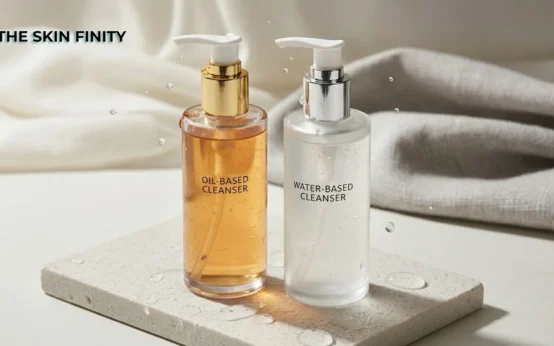 The Ultimate Skincare Routine Order Guide: What Dermatologists Say Actually Works
  Serums vs. Moisturizers: What’s the Difference and Do You Need Both?
  Moisturizer 101: Why Everyone Needs One (Yes, Even Oily Skin)
  Sensitive Skin SOS: How to Build a Gentle, Non-Irritating Routine
  AM vs. PM Skincare Routine: What’s the Difference and Why It Matters (Your Complete Guide)