
 The Skin Finity
 Look in the mirror. Do you see more fine lines than you’d like? A lingering dullness that no scrub can erase? Perhaps a new patch of uneven pigmentation or a frustrating increase in sensitivity and breakouts? While we often blame genetics or the natural passage of time, a powerful, invisible culprit is likely at play: the very air we breathe. Your skin, your body’s largest and most exposed organ, is under constant assault from a complex cocktail of environmental aggressors. From the smog hanging over city skylines to the blue light emitted by your devices, modern environmental factors like pollution are a leading cause of premature aging and skin damage. This isn’t just speculation—it’s a conclusion backed by a growing body of scientific research linking air pollution skin damage directly to premature skin aging, inflammation, and a weakened skin barrier.
Understanding pollution skin effects is no longer a niche concern for those in megacities; it’s essential for anyone seeking healthy, resilient skin. This guide will demystify the environmental factors harming your complexion, explain the science of the damage, and provide you with a powerful, actionable anti-pollution skincare strategy to shield and repair your skin.
The Invisible Assault: What’s Really Attacking Your Skin?
Before we can defend our skin, we must know what we’re fighting. Environmental factors skin damage stems from a daily onslaught of microscopic aggressors.
The Usual Suspects: Airborne Pollutants
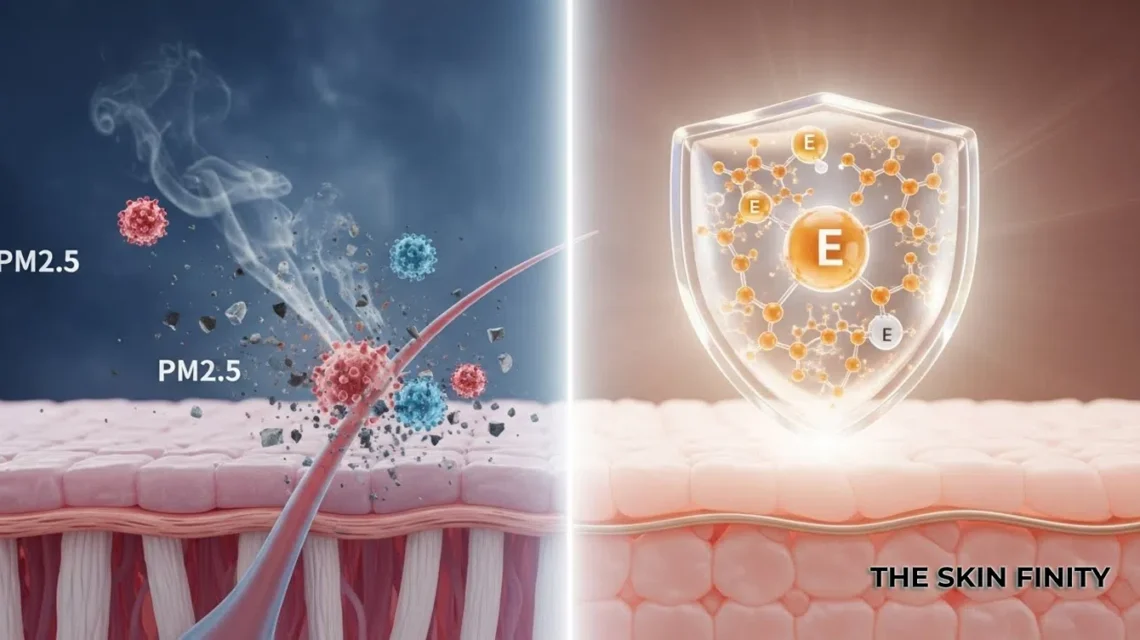
- Particulate Matter (PM2.5/PM10): These are ultrafine particles from vehicle exhaust, industrial emissions, and construction dust. Their microscopic size allows them to penetrate the skin’s surface, lodging themselves and carrying toxins deep into pores and tissue. The impact of particulate matter skin infiltration is profound, triggering inflammation and oxidative stress at a cellular level.
- Ground-Level Ozone (O3): Different from the protective atmospheric layer, ground-level ozone is a potent oxidant formed by pollutants reacting in sunlight. Ozone skin damage is insidious; it depletes the skin’s natural antioxidant resources like Vitamin E, leaving it vulnerable to other attackers.
- Polycyclic Aromatic Hydrocarbons (PAHs): These carcinogenic compounds come from burning fossil fuels, cigarette smoke, and even grilled foods. They bind to skin cells and activate harmful pathways linked to inflammation, pigmentation, and potentially even skin cancer risk.
The Extended Spectrum of Environmental Stress
The threat goes beyond smog. A full understanding of skin environmental exposure includes:
- UV Radiation: The primary cause of extrinsic skin aging factors, UVB burns, while UVA rays penetrate deeply, causing long-term collagen degradation and DNA damage.
- Infrared Radiation (IR-A): Emitted by the sun and heat sources, IR-A penetrates the deepest, generating heat shock and contributing to elastin breakdown.
- High-Energy Visible (HEV) Light (Blue Light): Emitted by the sun and digital screens, blue light skin effects include the generation of free radicals that can worsen hyperpigmentation, particularly in deeper skin tones.
- Climate Change Factors: Fluctuating humidity, extreme temperatures, and increased airborne allergens linked to climate change skin health issues can exacerbate conditions like eczema and rosacea, disrupting the skin’s delicate balance.
The Science of the Siege: How Pollution Breaches Your Skin’s Defenses
So, how do these invisible particles cause visible damage? The attack happens on a cellular level through several key mechanisms.
1. The Oxidative Stress Cascade
This is the primary weapon. Pollutants like PM and ozone generate unstable molecules called free radicals or reactive oxygen species (ROS) on the skin’s surface. They create a state of oxidative stress skin, where these marauding molecules overwhelm the skin’s natural antioxidant defenses. This triggers a destructive chain reaction:
- Lipid Peroxidation: Free radicals attack and damage the lipid-rich cell membranes, compromising the skin’s structural integrity.
- Protein & DNA Damage: Essential proteins and even cellular DNA are damaged, accelerating aging and impairing function.
- Collagen and Elastin Breakdown: Oxidative stress activates enzymes (matrix metalloproteinases) that chop up the collagen and elastin fibers that keep skin firm and supple. This is a direct link between pollution skin aging and wrinkles.
2. Inflammation: The Silent Fire
Pollutants are physical irritants. When they land on the skin, they trigger the immune system, sparking chronic, low-grade inflammation—a process often called “inflammaging.” Furthermore, pollutants like PAHs activate a specific cellular pathway called the Aryl hydrocarbon receptor (AhR). When activated, this receptor turns on genes that promote inflammation, hyperpigmentation from environment, and further barrier breakdown. This chronic inflammation is a root cause of many inflammatory skin diseases like eczema and psoriasis, which are worsened by pollution.
3. The Barrier Breakdown
Your skin’s outermost layer, the stratum corneum, is your shield. Environmental factors like pollution degrade the lipids and proteins that hold this barrier together. This skin barrier pollution damage leads to:
- Increased water loss (dryness and dehydration).
- Heightened sensitivity and reactivity.
- Easier penetration of other toxins, allergens, and microbes.
- A disrupted skin microbiome, where the balance of good bacteria is thrown off, potentially leading to conditions like acne and rosacea.
The Visible Fallout: From Premature Aging to Skin Conditions
The cellular damage doesn’t stay invisible for long. It manifests in ways you see and feel every day.
Accelerated Structural Aging
- Wrinkles and Loss of Elasticity: As collagen degradation pollution and elastin breakdown progress, skin loses its bounce and deep wrinkles set in. This is the hallmark of premature skin aging.
- Hyperpigmentation and Uneven Tone: The inflammation and AhR activation from pollutants stimulate melanocytes, the pigment-producing cells. This leads to stubborn dark spots, melasma, and an overall lack of radiance—a clear impact of urban pollution on skin pigmentation.
Exacerbated Skin Diseases and Sensitivity
- Acne and Congestion: Particulate matter mixes with skin oils (sebum) to form a glue-like substance that clogs pores, leading to blackheads and breakouts. The accompanying inflammation makes acne lesions more red and painful. This shows how climate change worsens skin conditions like acne by increasing pollution and humidity.
- Atopic Dermatitis (Eczema) and Sensitivity: A compromised barrier and constant inflammatory assault are primary ways pollution leads to atopic dermatitis flare-ups. Skin becomes reactive, easily irritated, and prone to redness.
- Skin Cancer Risk: While UV radiation is the main culprit, studies suggest pollutants like PAHs may act as co-carcinogens. By causing DNA damage and suppressing the skin’s immune surveillance, they can increase the potential role of pollutants in skin cancer risk.
Your Anti-Pollution Armor: A Complete Defense Strategy
The good news is that you are not powerless. By building intelligent defenses, you can fortify your skin against these modern aggressors.
The Daily Habits: Your First Line of Defense
- Cleanse Conscientiously (PM Removal is Key): A single cleanse is not enough. Implement a gentle double cleanse every evening. Start with an oil-based balm or micellar water to dissolve pollutant particles, sunscreen, and sebum. Follow with a gentle, pH-balanced water-based cleanser.
- Apply Antioxidant Serum (Your Neutralizing Shield): This is your most potent weapon against oxidative stress. A morning serum packed with Vitamin C (L-ascorbic acid), Vitamin E, Ferulic Acid, Niacinamide, or Resveratrol neutralizes free radicals before they can cause damage. This is the core of an effective antioxidant defense against pollution.
- Moisturize to Fortify the Barrier: A robust, hydrated barrier is more resilient. Look for moisturizers containing ceramides, fatty acids, cholesterol, and niacinamide to repair and strengthen your skin’s natural shield.
- Sunscreen is Non-Negotiable (365 Days a Year): A broad-spectrum SPF 30+ sunscreen is your essential base layer. It protects against UV-induced damage that works synergistically with pollution. For added protection against HEV light, consider a tinted mineral sunscreen containing iron oxides.
Building Your Anti-Pollution Skincare Routine
- AM Routine: Water rinse or gentle cleanser → Antioxidant Serum → Moisturizer → Sunscreen.
- PM Routine: Oil-based cleanser → Gentle foaming or cream cleanser → (2-3x a week: exfoliant like AHA/PHA) → Treatment serum (e.g., Retinol on alternate nights) → Repairing moisturizer or night cream.
Lifestyle and Environmental Tweaks
- Check the AQI: Use an air quality index app. On high pollution days, limit intense outdoor exercise.
- Purify Your Indoor Air: Invest in a good HEPA air purifier for your bedroom and workspace.
- Dietary Support: Consume a diet rich in colorful fruits and vegetables. Antioxidants from within (like vitamins A, C, E, and polyphenols) support your skin’s internal defenses.
Final Thoughts: Embracing Skin Health in a Modern World
The fight for healthy skin has evolved. It’s no longer just about fighting the sun or genetics; it’s about building comprehensive resilience in the face of a complex environmental challenge. The link between air pollution skin damage and the signs we often dismiss as “normal aging” is clear and scientifically established. By understanding the pollution skin effects—from the generation of free radicals to the weakening of your skin barrier—you can move from being a passive victim to an active defender.
Start today. Audit your skincare routine. Have you incorporated a potent antioxidant? Are you cleansing thoroughly yet gently? Is your sunscreen daily and sufficient? Small, consistent steps build an impenetrable fortress. Ultimately, protecting your skin from environmental damage is an act of self-care that acknowledges the realities of our world, empowering you to face it with a healthier, stronger, and more radiant complexion.
Frequently Asked Questions (FAQ)
1. How does air pollution affect skin health?
Air pollution damages skin primarily through oxidative stress, where pollutants generate free radicals that break down collagen and elastin. It also triggers inflammation and weakens the skin’s protective barrier, leading to premature aging, dryness, sensitivity, and exacerbated conditions like eczema and acne.
2. What are the most noticeable effects of pollution on skin aging?
The most visible signs are increased fine lines and wrinkles (due to collagen loss), a loss of firmness and elasticity, pronounced hyperpigmentation (dark spots), and a persistent dull, sallow complexion. Pollution accelerates all the classic signs of extrinsic aging.
3. Can pollution really cause acne?
Yes. Particulate matter (PM2.5) can mix with skin oils and sweat, clogging pores and forming comedones. The accompanying inflammation from pollutants also makes existing acne more irritated and can trigger new breakouts, especially in urban environments.
4. What are the best skincare ingredients to fight pollution damage?
Top antioxidants are key: L-Ascorbic Acid (Vitamin C), Vitamin E, Ferulic Acid, Niacinamide, and Resveratrol. For barrier repair, look for ceramides, fatty acids, and cholesterol. Always pair with a broad-spectrum sunscreen.
5. How does blue light from screens affect my skin?
High Energy Visible (HEV) blue light can penetrate the skin, generating free radicals that contribute to oxidative stress. Studies suggest it may worsen hyperpigmentation, particularly in melanin-rich skin, and can contribute to skin aging over time.
6. Do I need a special “anti-pollution” skincare product?
Not necessarily. Focus on the ingredients, not just the marketing label. An effective routine built on a gentle cleanser, a potent antioxidant serum, a barrier-supporting moisturizer, and a daily sunscreen already constitutes a powerful anti-pollution defense.
7. How can I protect my skin in highly polluted cities?
Be diligent with double cleansing in the evening. Layer a strong antioxidant serum under your sunscreen every morning. Consider using a slightly richer barrier-repair moisturizer at night. Wearing hats and scarves outdoors can provide a minor physical barrier.
8. Is the damage from pollution reversible?
While deep structural damage like severe collagen loss is difficult to reverse, the skin has a remarkable ability to heal. With a consistent protective and reparative routine (especially using antioxidants and proven ingredients like retinoids), you can significantly improve skin clarity, tone, texture, and resilience, slowing future damage.


 The Science of Skin Aging: What Happens as You Get Older