
 The Skin Finity
 For years, you’ve invested in serums, creams, and facials, yet that stubborn glow or clear complexion feels just out of reach. What if the most powerful skincare product wasn’t in a bottle, but on your plate and in your glass? Emerging science reveals a profound truth: radiant skin is forged from within. This comprehensive guide dives deep into the inseparable connection between what you eat, how much you drink, and your skin’s vitality. We’ll move beyond myths and provide an evidence-based roadmap to leveraging nutrition for skin health and optimal hydration to achieve a clear, glowing complexion.
The Gut-Skin Axis: Where Your Skin Health Begins
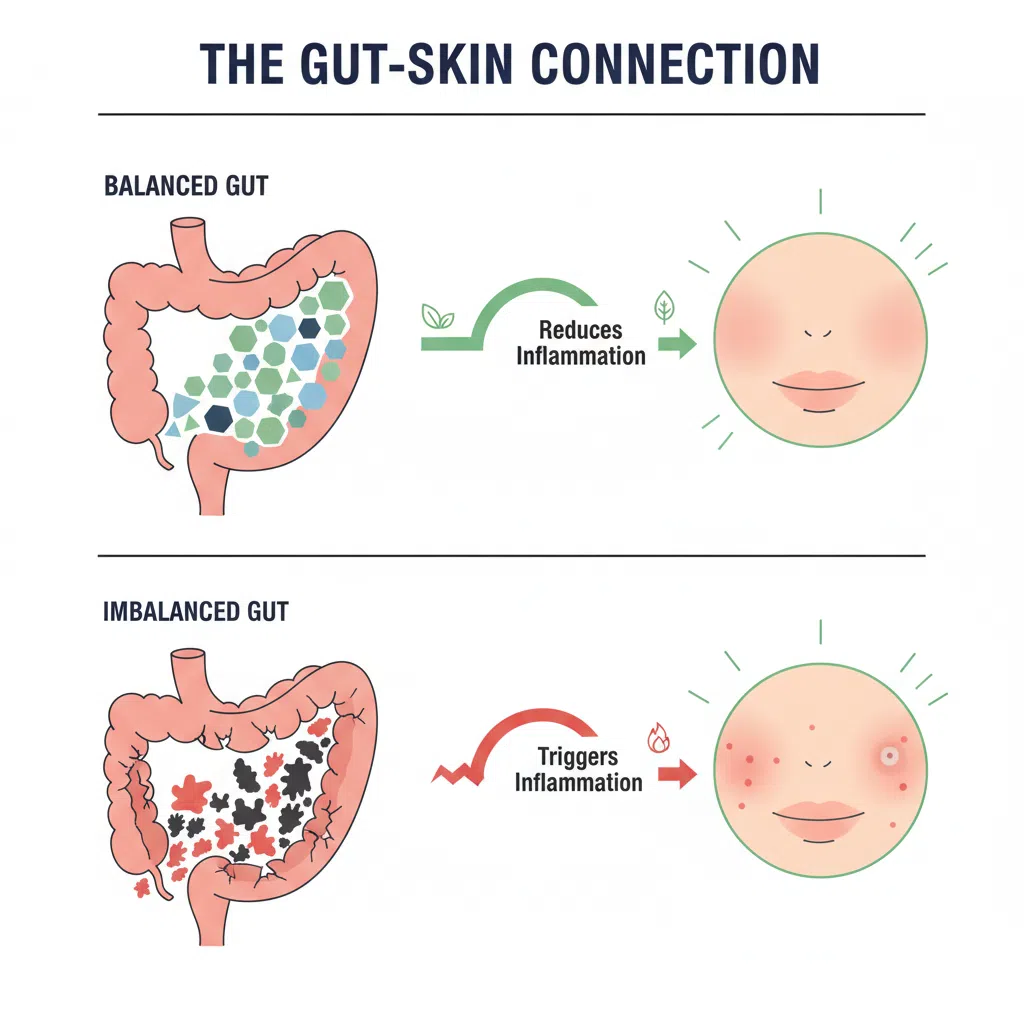
Your skin is not an isolated organ; it’s a vivid reflection of your internal ecosystem, particularly your gut. This bidirectional communication network, known as the gut-skin axis, explains how digestive health directly influences inflammation, immunity, and ultimately, skin conditions like acne, rosacea, eczema, and premature aging.
When your gut microbiome is balanced, it supports a strong intestinal barrier, preventing inflammatory particles from entering the bloodstream. An imbalance (dysbiosis) or a “leaky gut” can trigger systemic inflammation, which often manifests on the skin as redness, swelling, and breakouts. This foundational understanding is why an anti inflammatory diet for skin isn’t just a trend—it’s a targeted strategy for calming your skin at its root.
Furthermore, diets high in refined sugars and carbohydrates spike blood sugar and insulin levels. This cascade can increase the production of sebum (oil) and amplify inflammation, creating a perfect environment for acne. This directly links popular foods that cause acne to their physiological impact.
Building Your Skin-Glow Pantry: Essential Nutrients and Superfoods
Transforming your skin starts with nourishing it at the cellular level. Here are the powerhouse nutrients and the best foods for skin health that deliver them.
Critical Vitamins and Minerals for a Radiant Complexion
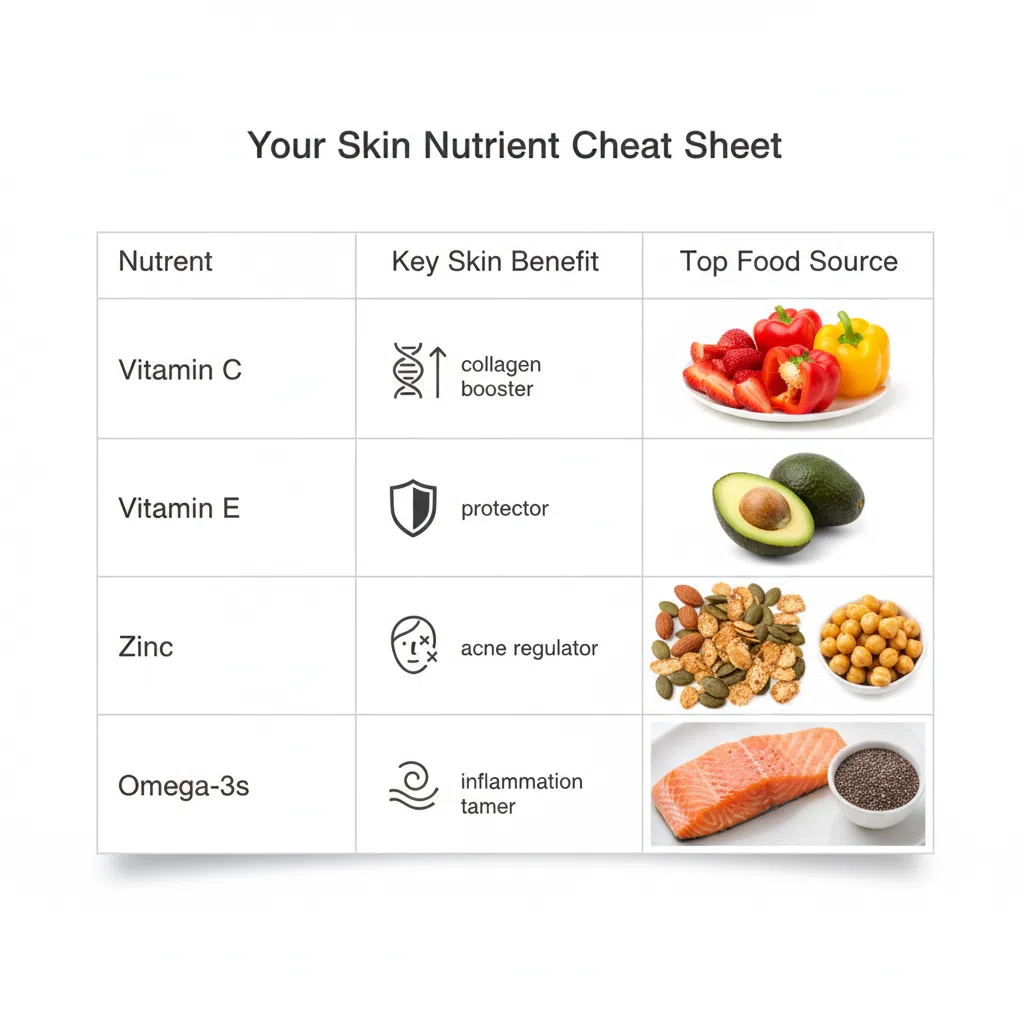
- Vitamin C (The Collagen Booster): Beyond fighting colds, vitamin C benefits for skin are monumental. It’s a potent antioxidant that neutralizes free radicals from pollution and UV exposure and is absolutely essential for collagen synthesis—the protein that keeps skin firm and plump.
- Top Sources: Citrus fruits, strawberries, kiwi, bell peppers (especially red and yellow), broccoli, and Brussels sprouts.
- Vitamin E (The Protector): This fat-soluble antioxidant works synergistically with Vitamin C to protect skin cells from oxidative damage and supports skin barrier function.
- Top Sources: Almonds, sunflower seeds, avocados, spinach, and Swiss chard.
- Vitamin A & Beta-Carotene (The Cell Renewal Experts): Crucial for skin cell production and turnover, they help prevent clogged pores and can improve skin texture and tone.
- Top Sources: Sweet potatoes, carrots, kale, butternut squash, and eggs.
- Zinc (The Acne Regulator): The mineral zinc for acne is a well-researched ally. It helps regulate oil production, reduces inflammation, and supports healing, making it key for managing breakouts.
- Top Sources: Pumpkin seeds, lentils, chickpeas, oysters, and beef.
- Omega-3 Fatty Acids (The Inflammation Tamers): These essential fats are the building blocks of your skin’s lipid barrier, keeping it hydrated and supple. Their powerful anti-inflammatory action makes them top-tier anti inflammatory foods for acne.
- Top Sources: Fatty fish (salmon, mackerel, sardines), walnuts, chia seeds, flaxseeds, and hemp seeds.
The Best Dietary Patterns for Lifelong Radiance
Rather than focusing on single foods, adopting a skin-friendly eating pattern yields the best results.
- The Mediterranean Diet Skin Benefits: Consistently ranked among the best diet for glowing skin, this pattern is rich in antioxidants, healthy fats, and phytonutrients. Its emphasis on vegetables, fruits, whole grains, olive oil, and fish provides a symphony of compounds that fight oxidative stress and inflammation, promoting even tone and elasticity.
- The Anti-Inflammatory Diet Framework: This isn’t a strict diet but a principle-based approach for healthy eating for clear skin. It prioritizes:
- Colorful fruits and vegetables (aim for a rainbow).
- Lean proteins (fish, poultry, legumes).
- Healthy fats (avocado, olive oil, nuts).
- Fiber-rich whole grains.
- Minimizing processed foods, refined sugars, and unhealthy fats.
- The Role of a High Protein Diet for Skin: Adequate protein provides the amino acids necessary to build and repair collagen and elastin. Ensuring you get enough high-quality protein is non-negotiable for maintaining skin’s structure and resilience.
Supplements: Supportive Players, Not Magic Bullets
While whole foods are paramount, some supplements can fill gaps.
- Collagen Supplements for Skin: Studies on hydrolyzed collagen peptides show promise for improving skin hydration, elasticity, and reducing wrinkles. Think of them as a supportive tool that provides concentrated building blocks for your body to use.
- Probiotics for Skin Health: Directly supporting the gut-skin axis, specific probiotic strains (like Lactobacillus and Bifidobacterium) can help modulate inflammation and improve skin conditions. They can be found in fermented foods (yogurt, kefir, kimchi, sauerkraut) or supplements.
- A Golden Rule: Supplements should complement a nutrient-dense diet for clear skin, not replace it. Always consult a healthcare provider before starting a new regimen.
Water: The Essential Elixir for Plump, Hydrated Skin
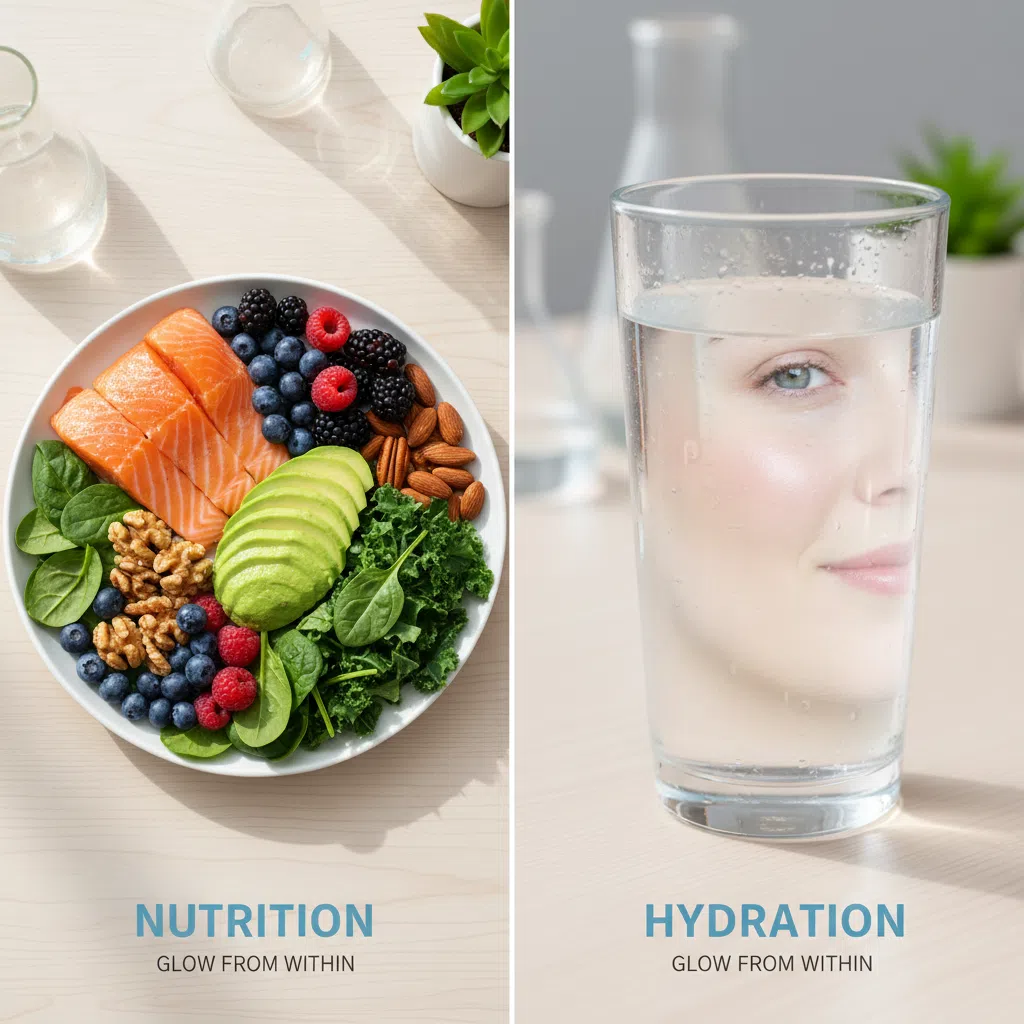
If nutrition builds the house, hydration paints and maintains it. Water is fundamental to every cellular process in your skin.
The Science of Hydration and Your Skin
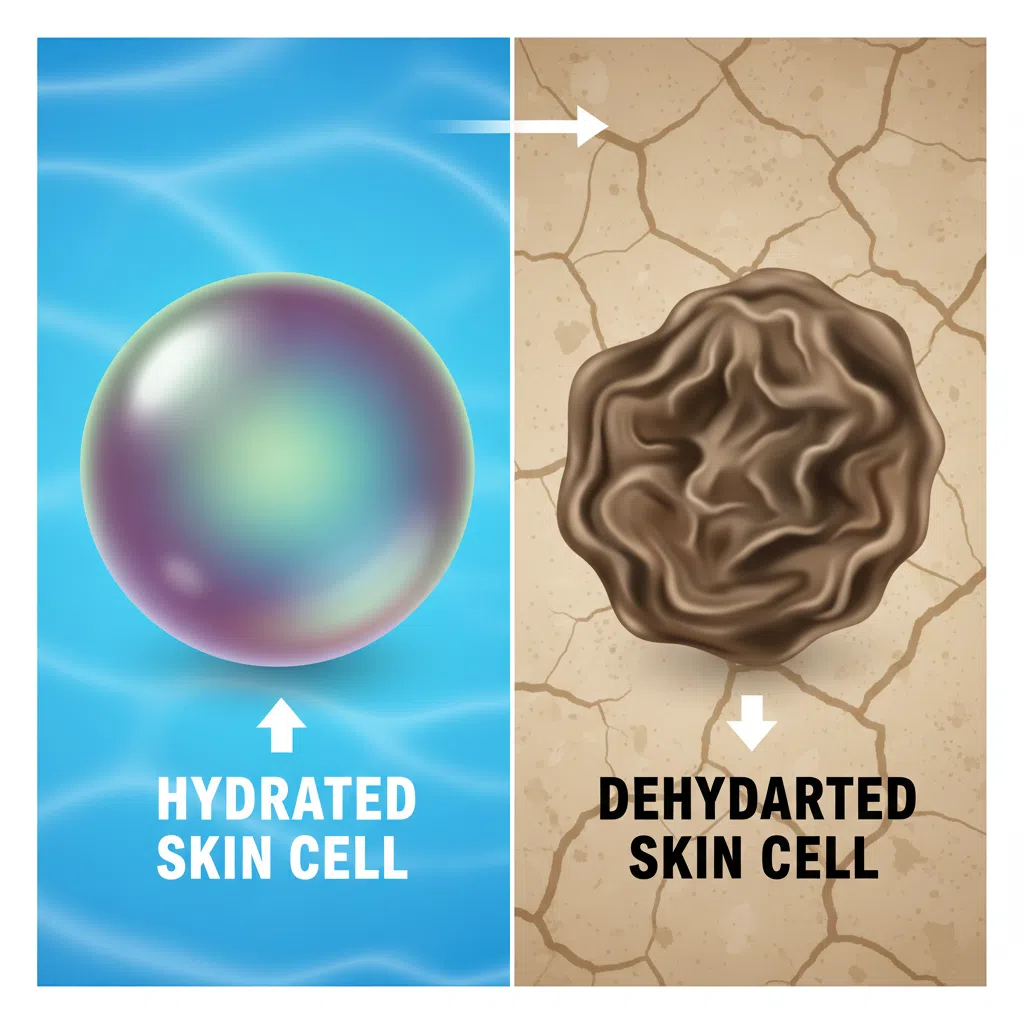
Adequate water intake for skin health ensures efficient nutrient delivery to skin cells and helps flush out metabolic waste. Well-hydrated skin appears more plump, luminous, and resilient, as water helps maintain optimal skin turgor (elasticity). Dehydration, on the other hand, can make skin look dull, feel tight, and show fine lines more prominently.
How Much Water is Enough for Clear Skin?
The old “eight glasses a day” is a rough guideline. Individual needs vary based on activity level, climate, body size, and diet. A more personalized approach is to aim for enough fluid so that your urine is pale yellow. Remember, your skin hydration diet includes water-rich foods like cucumbers, watermelon, celery, oranges, and soups, which all contribute to your total fluid intake.
Debunking Hydration Myths: Hydration and Acne
While drinking water isn’t a direct “cure” for acne, chronic dehydration can lead to increased inflammation and may potentially signal your skin to produce more oil to compensate for dryness. Proper hydration supports all of your body’s natural detoxification and regulatory processes, creating a healthier internal environment where acne is less likely to thrive.
Foods and Habits to Consume with Caution
Understanding what to limit is as important as knowing what to embrace for clear skin foods.
- High-Glycemic Index Foods: These are the prime suspects often listed as foods to avoid for clear skin. White bread, sugary cereals, pastries, soda, and candy cause rapid spikes in blood sugar and insulin, promoting inflammation and excess oil production.
- Dairy: The evidence is mixed but notable. For some individuals, dairy—particularly skim milk—may be linked to increased acne severity, possibly due to hormones and growth factors. It’s not a universal trigger, but worth experimenting with if you struggle with breakouts.
- Inflammatory Fats: Diets high in processed foods often contain an imbalance of omega-6 to omega-3 fats and may include trans fats, which can promote systemic inflammation.
- Alcohol and Excess Caffeine: Both are diuretics, which can lead to dehydration if not balanced with adequate water intake. Alcohol can also dilate blood vessels and trigger redness in some people.
The Key Takeaway: This is not about restrictive elimination but mindful moderation. Pay attention to how your skin responds to different foods.
Your Actionable 3-Day Skin-Glow Plan and Practical Tips
Let’s translate theory into practice with a simple, nourishing plan.
3-Day Sample Meal Plan for Glowing Skin
Day 1:
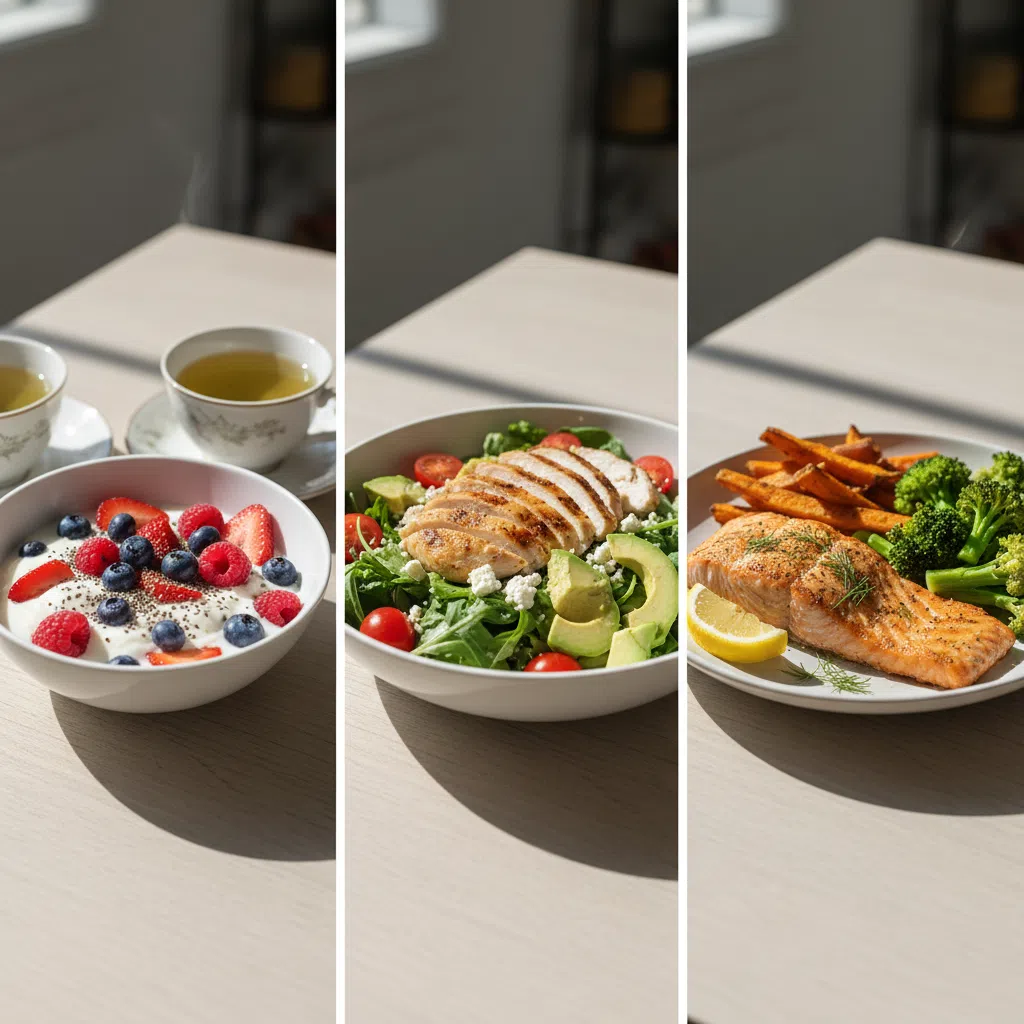
- Breakfast: Greek yogurt (probiotics) with berries (antioxidants) and a sprinkle of chia seeds (omega-3s).
- Lunch: Large salad with mixed greens, grilled chicken, avocado, cherry tomatoes, and a lemon-tahini dressing (healthy fats, vitamin C).
- Dinner: Baked salmon (omega-3s) with a side of roasted sweet potato (beta-carotene) and steamed broccoli (vitamins C & E).
- Hydration Focus: Start the day with a large glass of water. Sip on green tea (antioxidants) throughout the afternoon.
Day 2:
- Breakfast: Oatmeal made with almond milk, topped with sliced almonds (vitamin E) and diced apple.
- Lunch: Leftover salmon served over a bed of quinoa (high-protein, zinc) and spinach.
- Dinner: Lentil soup (zinc, fiber) with a side of whole-grain bread and a small side salad.
- Hydration Focus: Carry a reusable water bottle and infuse it with cucumber and mint for flavor.
Day 3:
- Breakfast: Scrambled eggs (vitamin A, protein) with spinach and bell peppers.
- Lunch: A hearty bowl with quinoa, black beans, roasted veggies (zucchini, peppers), and a lime-cilantro vinaigrette.
- Dinner: Turkey chili loaded with beans, tomatoes, and spices, served with a small side of brown rice.
- Hydration Focus: Incorporate a water-rich snack, like watermelon or cucumber slices.
Simple Hydration Hacks for Skin Health
- Tech Aid: Use a hydration-tracking app to set gentle reminders.
- Eat Your Water: Make soups, smoothies, and salads with cucumbers, celery, lettuce, and melons staples.
- Ritualize It: Have a glass of water first thing in the morning and before each meal.
- Herbal Help: Enjoy caffeine-free herbal teas like chamomile or rooibos.
Your Journey to Lasting Radiance Starts Now
Achieving and maintaining healthy skin is a holistic journey, not a destination reached by a single product or meal. By consistently choosing a diet for clear skin rich in anti-inflammatory nutrients and prioritizing optimal hydration, you are building a foundation for resilience and glow from the inside out. This approach, grounded in the powerful connection between diet, water, and skin health, empowers you with long-term, sustainable results. Start today—pick one tip from this guide, whether it’s adding a new skin-loving vegetable to your dinner or filling your water bottle one extra time. Your skin, and your whole body, will thank you.
Ready to take the next step? Consider consulting with a registered dietitian or dermatologist to create a personalized plan that addresses your unique skin goals and needs.
Frequently Asked Questions (FAQ)
1. What is the absolute best diet for clear skin?
While individual needs vary, the most scientifically supported pattern is an anti-inflammatory, low-glycemic diet like the Mediterranean diet. It focuses on whole foods, healthy fats, and antioxidants, which collectively reduce inflammation—a root cause of many skin issues—and promote a clear, glowing complexion.
2. What foods are most likely to cause acne?
High-glycemic foods (sugary drinks, white bread, candy) and, for some people, dairy products (particularly skim milk) are the most common dietary triggers. They can spike insulin and hormone levels, leading to increased oil production and inflammation in the skin.
3. How much water should I actually drink for glowing skin?
Aim for 8-10 cups (2-2.5 liters) of fluids daily as a baseline, adjusting for exercise, heat, and your body’s signals. Remember, fruits, vegetables, and herbal teas count toward your total water intake for skin health. Look for pale yellow urine as a good indicator of hydration.
4. What are the best vitamins to take for glowing skin?
Key vitamins include C (collagen production), E (antioxidant protection), and A (cell turnover). The mineral zinc is also crucial for oil regulation. It’s best to obtain these through a diet for glowing skin, but a high-quality multivitamin can help fill nutritional gaps.
5. Do collagen supplements really work to improve skin?
Yes, several studies indicate that hydrolyzed collagen peptides can be effective. They are broken down for easy absorption and can improve skin hydration, elasticity, and reduce the appearance of fine lines and wrinkles by stimulating your body’s own collagen production.
6. Can probiotics help clear up acne?
Emerging research on the gut-skin axis suggests yes. Specific probiotic strains can help balance gut bacteria, reduce systemic inflammation, and strengthen the gut barrier, which may lead to improvements in inflammatory skin conditions like acne and rosacea.
7. What are the top anti-inflammatory foods I should eat for acne?
Incorporate fatty fish (like salmon), berries, leafy greens, turmeric, green tea, nuts, and seeds. These anti inflammatory foods for acne work by calming the underlying inflammation that contributes to red, painful breakouts.
8. Are the benefits of the Mediterranean diet for skin proven?
Absolutely. The Mediterranean diet skin benefits are well-documented. Its high content of antioxidants, polyphenols, and healthy fats directly combat oxidative stress and inflammation, leading to improved skin hydration, reduced acne severity, and better protection against photoaging.
9. Does drinking water directly plump up and hydrate my skin?
Water hydrates your body systemically, which supports all skin functions. While it won’t directly “moisturize” the top layer like a cream, proper internal hydration is critical for skin cell health, nutrient delivery, and maintaining elasticity. For surface dryness, combine it with a good topical moisturizer.
10. Is a high-protein diet good or bad for your skin?
Adequate high-quality protein is essential for skin health. Protein provides the amino acids needed to build collagen and elastin, the proteins that keep skin firm and supple. A severe lack of protein can lead to weak, sagging skin, so ensure you’re meeting your daily needs through lean meats, fish, eggs, legumes, and tofu.


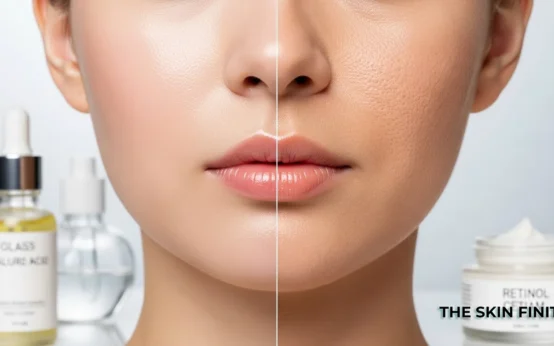 Understanding Skin Texture: Smooth vs. Rough and How to Improve It
 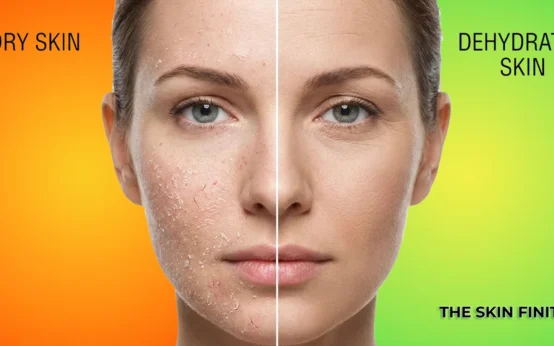 Dry vs. Dehydrated Skin: How to Tell the Difference and Fix It for Good