

 The Skin Finity
 You lean closer to the mirror and notice a few fine lines that weren’t there last year. Your skin doesn’t bounce back like it used to, feeling a bit less plump and a tad more… weary. The likely culprit behind this silent shift? A gradual decline in your body’s most abundant protein: collagen. This word dominates the aisles of skincare stores and supplement shelves, but what is collagen truly, and how does it translate to the radiant, firm skin we desire? More than just a buzzword, collagen is the very architectural blueprint of your skin’s youth. But here’s a critical fact: not all collagen is the same. Understanding the 5 types of collagen, particularly the powerful duo of type 1 and type 3 collagen, is key to unlocking its potential. This comprehensive guide will demystify the science, separate fact from fiction, and provide a 2026-forward roadmap on how to effectively harness the proven benefits of collagen for skin through modern supplements, strategic skincare, and longevity-focused lifestyle choices.

The Collagen Blueprint: More Than Just a Buzzword
Before diving into types and solutions, let’s build a foundational understanding of what collagen is and why its depletion is the central event in skin aging.
The Science of Structure: Your Skin’s Support System
Imagine the deeper layer of your skin, the dermis, as a sophisticated mattress. The springs inside that mattress are what provide support, prevent sagging, and create a smooth, comfortable surface. In your skin, collagen acts as those essential springs. Structurally, it’s a triple-helix protein—three polypeptide chains woven together like a strong, resilient rope. This unique formation gives it incredible tensile strength, making it the primary component of your skin’s connective tissue. It forms a dense, fibrous mesh network alongside elastin (for snap-back) and hyaluronic acid (for hydration), creating the structural foundation that keeps skin plump, firm, and smooth.
Our Natural Collagen Factory (And Why It Slows Down)
Your body is a remarkable collagen-production factory, with cells called fibroblasts working as the diligent artisans. However, around our mid-20s, a silent shift occurs. For most, collagen production begins to decline by about 1% per year. Simultaneously, the natural processes that break down old collagen fibers start to outpace new synthesis. This is intrinsic aging. But the plot thickens with extrinsic factors that dramatically accelerate this decline:
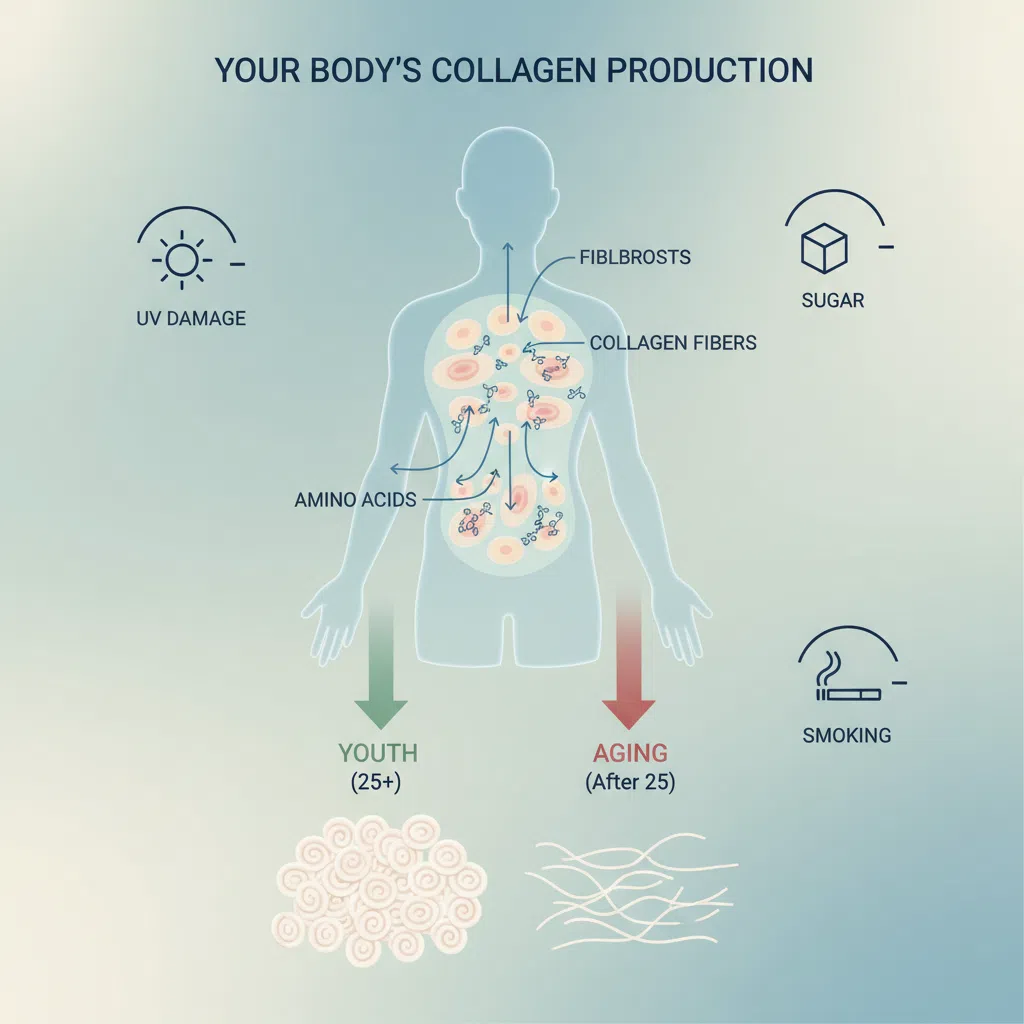
- Sun Exposure (Photoaging): UV rays are public enemy number one for collagen. They penetrate the dermis and activate enzymes called matrix metalloproteinases (MMPs) that act like molecular scissors, shredding the pristine collagen network.
- Sugar (Glycation): Excess glucose in the bloodstream can bind to collagen and elastin fibers in a process called glycation, creating stiff, brittle advanced glycation end products (AGEs). This “caramelization” of the skin’s support structure leads to loss of elasticity and deepened wrinkles.
- Lifestyle Assaults: Smoking, chronic pollution exposure, high stress, and poor sleep all generate free radicals and inflammatory signals that further inhibit collagen production and damage existing fibers.
This double whammy—natural decline and accelerated breakdown—is what leads to the visible signs of aging: fine lines, wrinkles, loss of firmness, and a crepey texture. Understanding this is the first step toward effective intervention.
The 5 Types of Collagen: Which Ones Matter Most for Your Skin?
Here’s a crucial insight: collagen isn’t a single entity. There are at least 28 identified types of collagen, each with a slightly different molecular structure and specialized function in the body. They are classified by Roman numerals, and for skin health, five types are most relevant. Let’s break down the 5 types of collagen you need to know.
Type I Collagen: The Skin’s Main Structural Pillar
Type 1 collagen is the undisputed heavyweight champion, constituting about 90% of the collagen in your skin. It forms thick, dense, and robust fibrils that provide unparalleled tensile strength. Think of it as the steel rebar in the concrete foundation of a skyscraper—it’s what gives your skin its fundamental structure, preventing sagging and maintaining a smooth, firm surface. When we talk about losing collagen and seeing wrinkles, we are primarily talking about the depletion of the Type I network. Any strategy aimed at improving skin firmness and reducing deep wrinkles must target Type 1 collagen.
Type III Collagen: The Essential Elasticity Partner
Often found woven together with Type I, Type 3 collagen is the supportive partner. It forms more delicate, reticular (net-like) fibers that provide pliability and elasticity. If Type I is the steel rebar, Type III is the flexible, high-tensile wiring that allows for movement and resilience. It is particularly abundant in young, elastic skin and in the walls of blood vessels. The synergy of type 1 and type 3 collagen is what creates skin that is both strong and supple—able to resist gravity while bouncing back from expressions. A healthy supply of Type III is key for that coveted “bounce” and youthful suppleness.
The Supporting Cast: Types II, IV, and V
While Types I and III are the stars for skin, other types play vital roles in overall health, which indirectly supports a radiant complexion.
- Type II: This type is the main component of cartilage. It’s not found in skin but is crucial for joint health. Many supplement blends include Type II (often from chicken cartilage) for a whole-body approach, recognizing that mobility and systemic wellness contribute to a healthy lifestyle.
- Type IV: This type forms sheets, not fibers. It’s a key part of the basement membrane—a thin layer that anchors the epidermis to the dermis. It acts as a sophisticated filter and support system for skin cells.
- Type V: A regulatory type that helps control the formation and diameter of collagen fibrils. It’s found in small amounts in skin, hair, and cell surfaces.
So, Does Collagen Help Skin? The Evidence-Based Benefits
With the players identified, let’s address the core question: what are the tangible collagen benefits for skin? Moving beyond marketing, a growing body of clinical research supports specific, measurable improvements.
Diminishing Wrinkles and Improving Elasticity
This is the most sought-after benefit. Multiple randomized, placebo-controlled studies have shown that daily supplementation with hydrolyzed collagen peptides can lead to significant reductions in skin wrinkling and improved elasticity. A landmark 2019 study published in the Journal of Cosmetic Dermatology found that women who took specific collagen peptides for 8 weeks saw a 20% reduction in eye wrinkle volume compared to the placebo group. The proposed mechanism is that these bioactive peptides act as messengers, stimulating fibroblasts in the dermis to ramp up their production of fresh Type 1 and Type 3 collagen and elastin, effectively helping to rebuild the skin’s support structure from within.
Boosting Hydration and Skin Barrier Function
Collagen benefits skin hydration on a deep level. The dermal collagen network acts as a sponge, holding water molecules via hyaluronic acid. By reinforcing this network, collagen supplementation has been shown in studies to significantly increase skin moisture levels and reduce transepidermal water loss (TEWL)—the process where water evaporates from the skin’s surface. Better hydration means skin appears plumper, dewier, and more radiant, and a stronger barrier better protects against environmental aggressors.
Enhancing Wound Healing and Skin Repair
Collagen is the body’s natural scaffolding for tissue repair. It’s no surprise then that providing the body with ample collagen building blocks can support faster and more effective wound healing. This translates to everyday skin benefits like faster recovery from acne blemishes, reduced visibility of scars, and an overall more resilient complexion that can recover from minor damage efficiently.
Supporting Nail and Hair Strength (Bonus Benefit)
While our focus is skin, the benefits of collagen often extend peripherally. Clinical trials have noted that supplementation can lead to dramatically improved nail growth rates and a decrease in brittleness. Similarly, by supporting the skin follicle and providing essential amino acids, collagen can contribute to healthier, stronger hair growth.
Your 2026 Collagen Toolkit: How to Boost It Effectively
Knowing the “why” leads us to the practical “how.” The modern approach to collagen for skin is multifaceted, blending cutting-edge supplementation with topical actives and lifestyle foundations.
The Great Debate: Myths vs. Facts About Collagen Sources
Let’s clear confusion first.
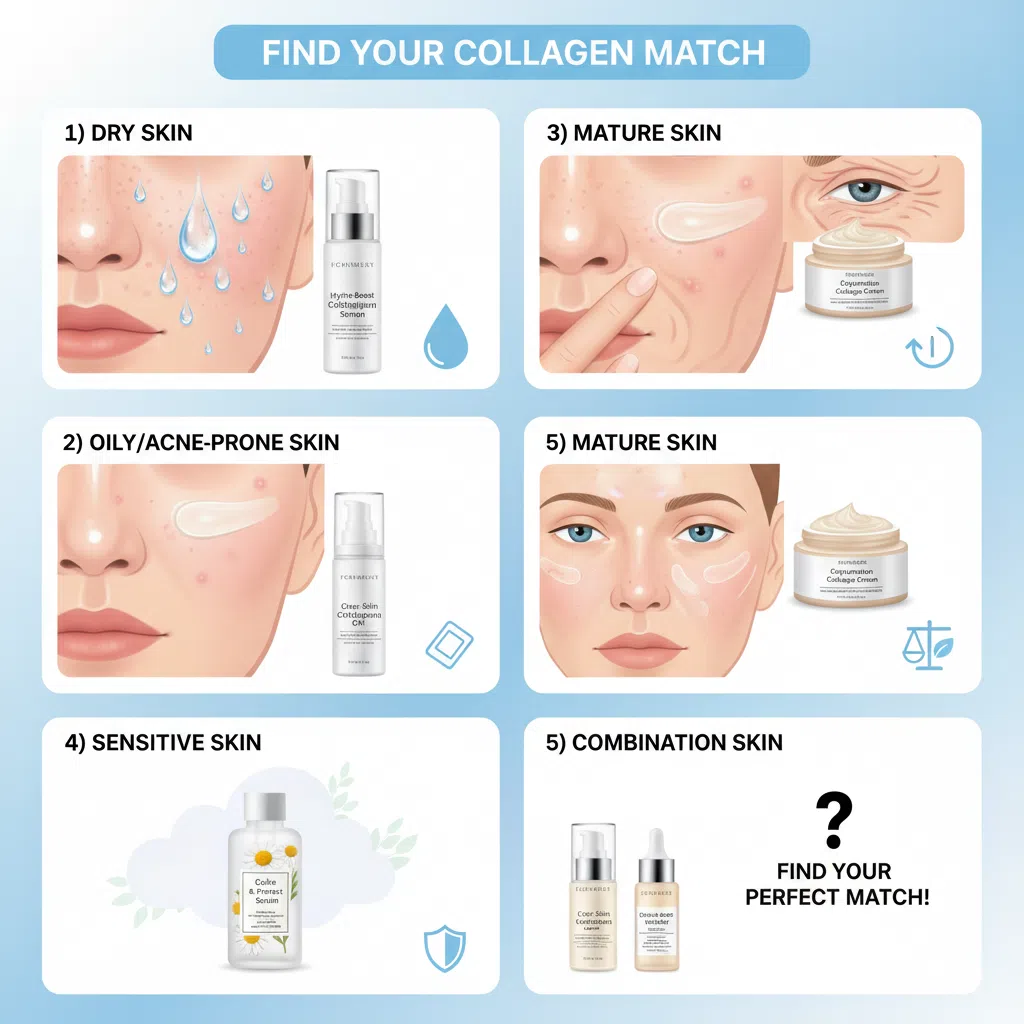
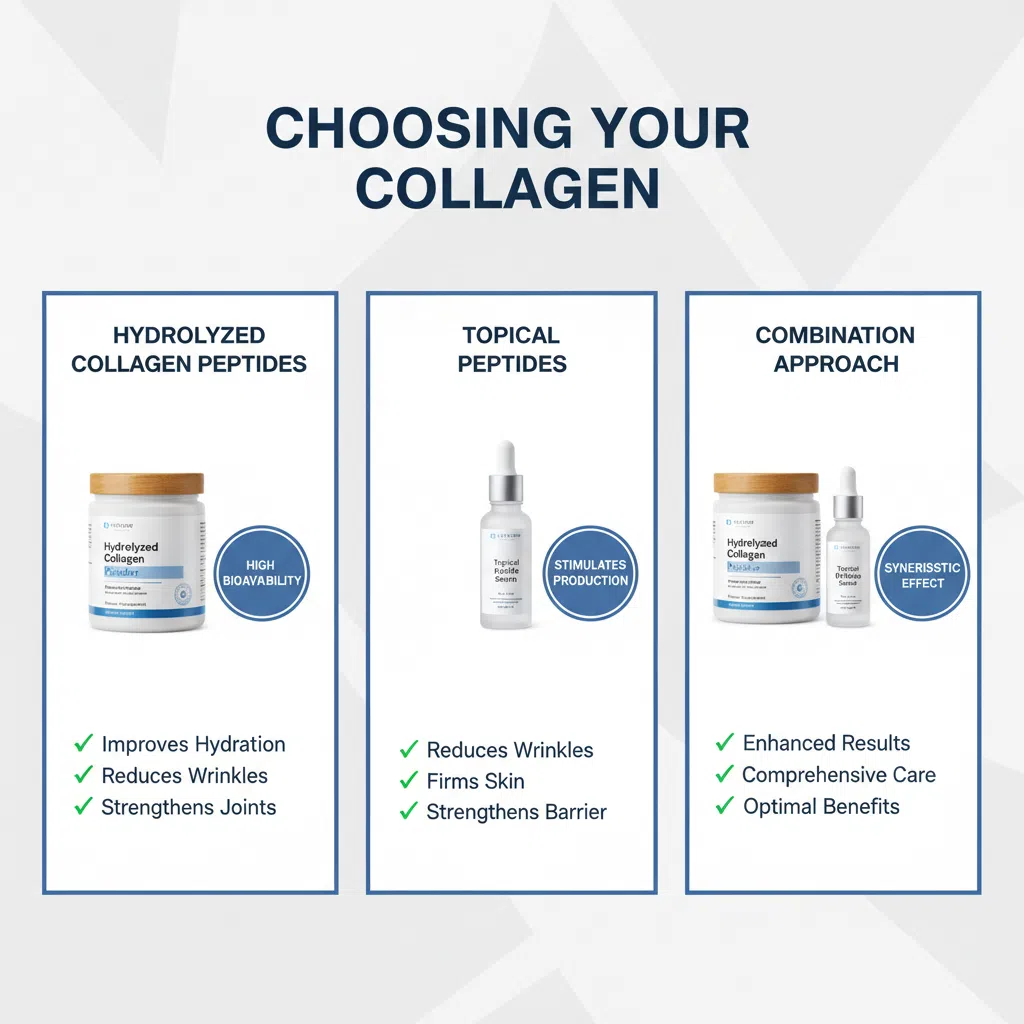
- Myth Debunked: “Applying topical collagen creams rebuilds your collagen.” Fact: While applying collagen topically is an excellent humectant (it draws moisture to the surface), the molecules are far too large to penetrate the dermis where new collagen is made. The real power of topical skincare lies in ingredients that stimulate your own fibroblasts—like retinoids, vitamin C, and certain peptides.
- Fact: “Eating collagen-rich foods provides building blocks.” Consuming foods like bone broth, pork skin, and fish with skin provides collagen and its amino acids. However, the bioavailability—how much your body can efficiently use—can be a hurdle, which is where advanced supplements come in.
Collagen Supplements Decoded: What’s Best for Skin?
The best collagen for skin health is bioavailable, targeted, and high-quality.
- Hydrolyzed Collagen Peptides (The Gold Standard): This is collagen that has been broken down via hydrolysis into small, easily absorbed di- and tri-peptides. This is the form used in virtually all successful clinical studies on oral collagen benefits for skin. Look for “hydrolyzed” or collagen peptides on the label.
- Marine Collagen Benefits: Sourced from fish skin and scales, marine collagen is prized for its small particle size (enhancing absorption) and its high concentration of Type I collagen. It’s a top choice for those seeking targeted collagen for skin benefits and is often considered more sustainable.
- Bovine Collagen: Typically sourced from cow hide or bones, it usually provides a blend of both Type I and Type III collagen, making it a fantastic all-rounder for skin, joints, and gut health.
- The Vegan Collagen Frontier (2026 Trend): True collagen is only derived from animals. However, the market for vegan collagen boosters is exploding. These are sophisticated blends of the exact amino acids (like glycine, proline, hydroxyproline) that make up collagen, combined with botanicals known to support the body’s own production (e.g., gotu kola, amla berry, bamboo silica). The most innovative 2026 products also include genetically engineered collagen proteins produced by yeast or bacteria in a lab—identical to human types but 100% vegan.

The Skincare Regimen: Actives That Support Collagen
Your topical routine should focus on protection and stimulation.
- Vitamin C (L-ascorbic acid): A non-negotiable co-factor for collagen synthesis. It also protects existing collagen from free radical damage. Use it in your morning routine.
- Retinoids (Retinol, Retinaldehyde, Prescription-strength): The gold standard for anti-aging. They accelerate cellular turnover, block collagen-degrading enzymes, and powerfully upregulate new collagen production in the dermis.
- Topical Peptides: Specific signal peptides like Palmitoyl Tripeptide-1 (Matrixyl™) can communicate with fibroblasts to produce more collagen. They are gentle allies that work well with other actives.
- Sun Protection (SPF 30+): This is the most crucial step. Daily broad-spectrum sunscreen prevents the UV-triggered destruction of collagen, making it the ultimate anti-aging product.
Lifestyle as the Foundation: The Longevity Protocol
The 2026 trend moves beyond simple supplementation toward a holistic longevity mindset.
- Diet: Support your collagen factories with a protein-rich diet. Pair this with vitamin C-rich foods (citrus, bell peppers) and minerals like copper and zinc (found in nuts, seeds, shellfish).
- Sleep & Stress Management: Your body repairs and regenerates collagen during deep sleep. Chronic stress elevates cortisol, which breaks down collagen. Prioritize sleep and stress-reduction practices like meditation.
- Avoid Collagen Crushers: Minimize refined sugars, excessive alcohol, and absolutely avoid smoking.
What to Expect: Timing, Side Effects, and Maximizing Results
Setting realistic expectations ensures long-term commitment.
- Realistic Timelines: Internal changes begin within 4-8 weeks of consistent supplementation. Many people report improved skin hydration and a “glow” by 8 weeks. Significant improvements in wrinkle depth and firmness, however, often require a 3 to 6-month commitment. Collagen turnover is a slow, steady process.
- Safety and Side Effects: Collagen supplements are generally recognized as safe (GRAS). Some may experience mild digestive comfort initially. Always choose high-quality, third-party tested brands from reputable sources. If you have severe allergies (e.g., to fish or eggs), select your source carefully. As always, consult your healthcare provider before starting any new supplement regimen.
Frequently Asked Questions About Collagen and Skin Benefits (2026 Edition)
What is collagen and what does it do for the skin?
Collagen is the most abundant structural protein in your body, acting as the main building block for skin, bones, tendons, and ligaments. In skin, it forms a fibrous network in the dermis that provides strength, firmness, elasticity, and hydration—essentially creating the scaffold for youthful, plump skin.
What are the 5 types of collagen?
The five primary types are I, II, III, IV, and V. Type I (skin, bones) provides structure; Type II (cartilage) supports joints; Type III (skin, muscles, blood vessels) offers elasticity; Type IV forms filtration sheets in skin layers; and Type V helps regulate fiber formation in skin and hair.
What are the benefits of collagen for skin?
The proven collagen benefits for skin include reducing the appearance of fine lines and wrinkles, improving skin elasticity and firmness, boosting hydration and barrier function, supporting wound healing, and potentially strengthening nails and hair.
Does collagen help with wrinkles and elasticity?
Yes, numerous clinical studies show that consistent intake of hydrolyzed collagen peptides can significantly improve skin elasticity and reduce wrinkle depth and volume by stimulating the body’s own production of new collagen and elastin fibers.
What is Type 1 collagen and what is its role in skin health?
Type 1 collagen is the most abundant collagen type in the human body and constitutes about 90% of the collagen in your skin. It forms thick, strong fibers that provide the skin with its tensile strength and structural integrity, preventing sagging and forming the primary framework.
What is Type 3 collagen and how does it benefit skin?
Type 3 collagen is often found alongside Type I and forms more elastic, reticular fibers. It provides skin with its pliability, suppleness, and bounce-back ability. It is crucial for maintaining youthful, resilient, and elastic skin.
Do collagen supplements actually work for skin improvement?
Yes, a robust body of scientific evidence, including randomized placebo-controlled trials, supports that oral collagen supplements for skin (specifically hydrolyzed collagen peptides) can lead to measurable improvements in skin hydration, elasticity, wrinkle reduction, and density.
What is the best type of collagen for skin health?
For targeted skin benefits, marine collagen (rich in Type I) and bovine collagen (rich in Types I & III) are excellent. The most important factor is that it is hydrolyzed into small collagen peptides for optimal absorption and bioavailability.
What are the specific marine collagen benefits for skin?
Marine collagen is sourced from fish and is renowned for its high bioavailability due to small particle size. It is predominantly Type 1 collagen, making it exceptionally targeted for improving skin hydration, reducing wrinkles, and enhancing skin firmness and texture.
How do hydrolyzed collagen peptides benefit the skin?
Hydrolyzed collagen peptides are pre-digested, tiny chains of amino acids that are easily absorbed into the bloodstream. They are believed to act as signaling molecules, stimulating fibroblasts in the skin to produce more collagen, elastin, and hyaluronic acid, leading to comprehensive skin renewal.
Is vegan collagen effective for skin? What are the options?
True collagen is animal-derived, but vegan collagen boosters can be very effective. They provide the precise amino acid building blocks and include plant extracts (e.g., gotu kola) that support natural collagen synthesis. The newest 2026 innovations include bio-identical collagen created via fermentation, offering a truly vegan collagen protein.
How long does it take to see benefits from collagen supplements on my skin?
Most studies show initial benefits like improved hydration within 4-8 weeks. Visible improvements in skin smoothness and glow are often reported around the 8-12 week mark. Significant reductions in wrinkles and increased firmness typically require consistent use for 3 to 6 months.
Can topical collagen creams improve my skin?
While a collagen cream cannot deposit new collagen directly into the dermis, topically applied collagen is an excellent humectant, helping to hydrate and plump the very top layer of skin, giving a temporary smoothing effect. For long-term structural change, look for products with collagen-stimulating ingredients like retinol and vitamin C.
Should I take collagen with other supplements (like Vitamin C)?
Absolutely. Vitamin C is an essential co-factor for your body’s natural collagen synthesis. Taking vitamin C alongside your collagen supplement ensures your fibroblasts have the necessary tools to use the amino acids effectively. Many high-quality collagen formulas already include added vitamin C.
Building Your Holistic Strategy for Lasting Skin Health
The journey to supporting your skin’s collagen is not about a single miracle product but a synergistic, holistic strategy. We’ve established that collagen is the fundamental scaffold of youthful skin, primarily driven by the powerhouse partnership of type 1 and type 3 collagen. The evidence is clear: targeted intervention through bioavailable collagen supplements for skin—like hydrolyzed marine collagen or bovine collagen peptides—can deliver real, measurable benefits of collagen for skin, from improved hydration to diminished wrinkles.
The 2026 approach is integrative. It pairs intelligent supplementation with a disciplined skincare regimen built on collagen-stimulating actives (vitamin C, retinoids) and unwavering sun protection. It’s grounded in a longevity-focused lifestyle that prioritizes sleep, manages stress, and nourishes the body with the right building blocks. As science advances, so do our options, with vegan collagen and bio-engineered alternatives making this powerful tool accessible to all.
Your skin’s future resilience is built on the daily choices you make now. Begin by auditing one element of your routine—perhaps adding a scoop of high-quality collagen peptides to your morning smoothie, committing to daily SPF, or introducing a retinol serum. Consider consulting a dermatologist or nutritionist to personalize your plan. Your skin, at every age, has the potential to reflect health and vitality from within. Start building its strong foundation today.


 Skincare Myths Debunked: Evidence-Based Facts & Future Trends for 2026
  The Ultimate Skincare Routine for Night Shift Workers: Adapting Your Regimen to Irregular Sleep
  Herbal Extracts in Skincare: Aloe Vera, Green Tea, and Chamomile
  Fading Sun Damage: Your Expert Guide to Reversing Spots and Uneven Tone
  Niacinamide Benefits: The Science of Calming Inflammation and Evening Skin Tone
  Acne vs Pimples vs Breakouts: Decoding Your Skin and Finding the Right Treatment