
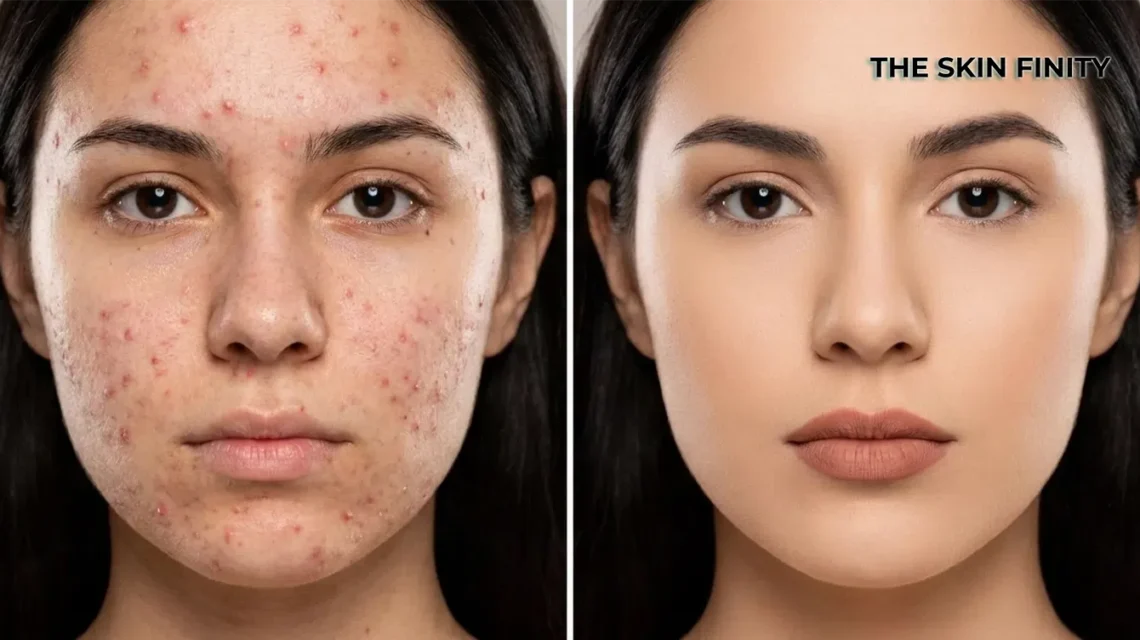
 The Skin Finity
 You wake up, glance in the mirror, and there it is: a red, unwelcome bump. Your mind races. Is this a pimple? Is my acne coming back? Why is my skin breaking out again? If you’ve ever felt confused by the terms acne, pimples, and breakouts, you’re not alone. These words are used interchangeably every day, yet in the world of dermatology, they hold distinct meanings. Understanding the difference between acne and pimples isn’t just semantics—it’s the crucial first step toward diagnosing your skin concern correctly and choosing the most effective treatment. Using the wrong products for your specific issue can waste time, money, and even worsen your skin.
This comprehensive guide will demystify the acne vs pimples vs breakouts debate. We’ll peel back the layers of confusion, providing clear definitions, visual guides to the types of acne and kinds of pimples, and actionable advice on treatment paths. Whether you’re dealing with a solitary spot or managing a chronic condition, knowing exactly what you’re facing is your greatest asset on the journey to clearer skin.
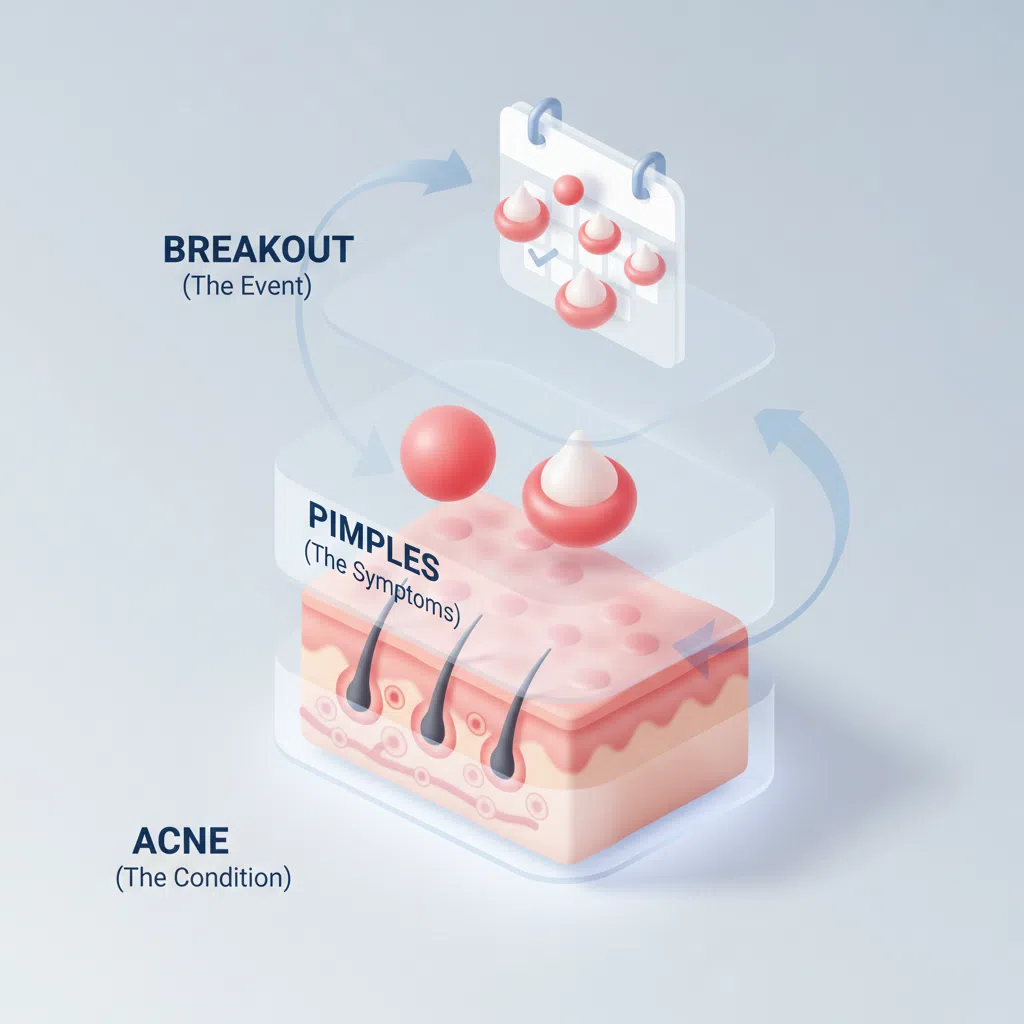
The Foundational Difference: Acne is the Disease, Pimples are a Symptom
At the core of the confusion is a simple medical distinction: acne is a condition, and pimples are a manifestation of it.
What is Acne (Acne Vulgaris)?
Acne, clinically known as acne vulgaris, is a chronic, inflammatory skin disease. It is a diagnosed medical condition that involves the pilosebaceous units—your hair follicles and their attached sebaceous (oil) glands. Acne is characterized by a predictable cycle:
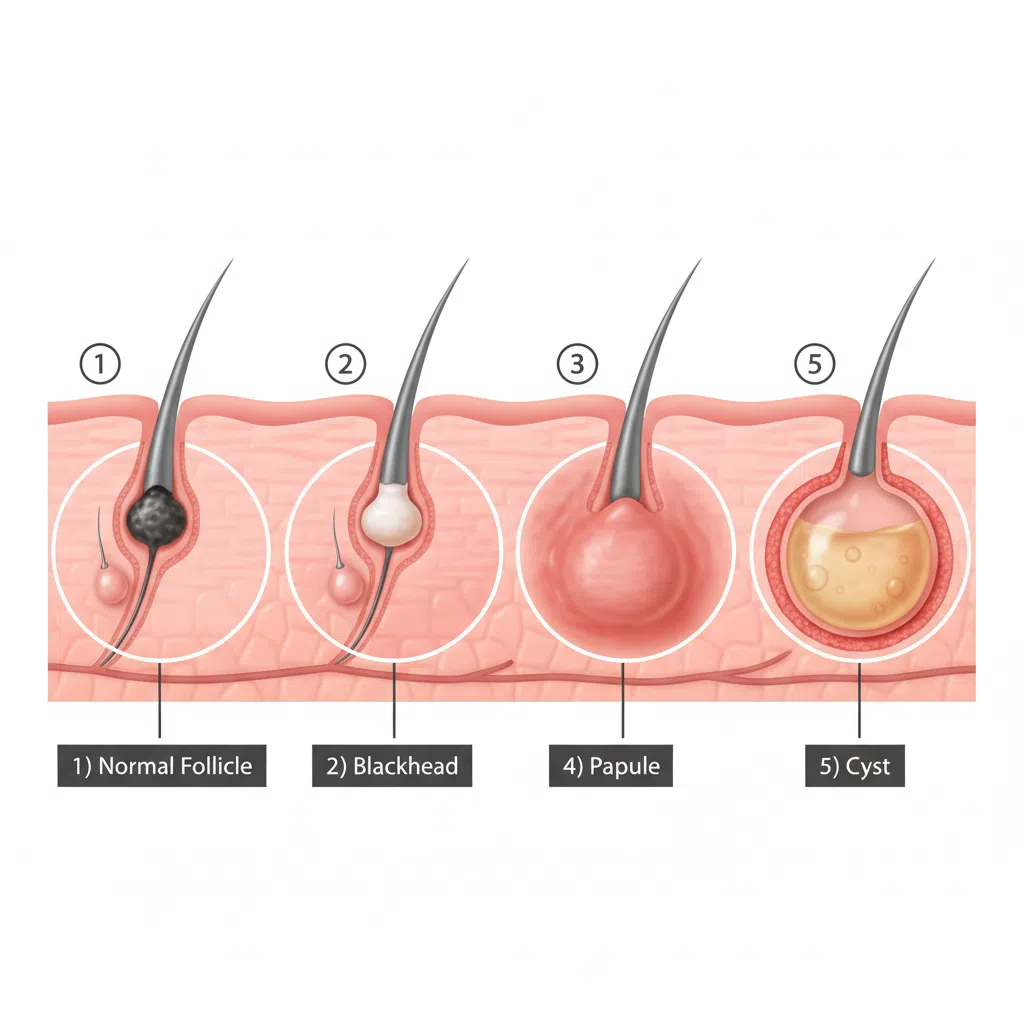
- Excess sebum (oil) production.
- Buildup of dead skin cells that clog the pore.
- Bacterial growth (C. acnes bacteria).
- Inflammation.
This condition exists on a spectrum, from mild to severe, and is influenced by genetics, hormones, and other internal factors. When discussing acne vulgaris vs pimples, remember that acne is the overarching, ongoing problem.
What is a Pimple?
A pimple is a specific type of inflamed lesion. It is a single symptom of the acne disease. Using an analogy: if acne is the war, a pimple is a single battle. You can have a pimple without having chronic acne (think of a one-time stress-induced spot). However, if you have the condition of acne, you will experience pimples as one of its primary symptoms. The term “pimple” most accurately refers to papules and pustules, which we will detail later.
What Does “Breakout” Really Mean?
A breakout is a colloquial, non-medical term for a sudden flare-up or eruption of skin lesions. It describes an event or an episode, not a diagnosis. A breakout can refer to:
- A cluster of pimples appearing in someone who usually has clear skin.
- A period of worsening symptoms for someone with chronic acne.
The term is often tied to identifiable triggers like stress, diet, menstruation, or a new skincare product—these are the classic causes of acne breakouts. Understanding your personal breakout triggers is key to management.
| Term | Definition | Scope |
|---|---|---|
| Acne | A chronic inflammatory skin disease. | The overall, ongoing condition. |
| Pimple | A single inflamed lesion (e.g., papule, pustule). | A specific symptom. |
| Breakout | A sudden flare-up of multiple lesions. | An event or episode. |
A Visual Guide to Lesions: Understanding Types of Acne and Kinds of Pimples
To truly grasp the acne pimples difference, you need to recognize the various lesions. Acne manifests in two primary categories: non-inflammatory and inflammatory.
Non-Inflammatory Acne: The Comedones
These are clogged pores and form the foundation for inflammatory lesions. They are not yet “pimples” but are a core component of acne.
- Blackheads (Open Comedones): These appear as small, dark spots on the skin’s surface. The dark color is not dirt but oxidized sebum and dead skin cells trapped within a pore that is open to the air. They are generally flat or slightly raised.
- Whiteheads (Closed Comedones): These form when a pore is completely clogged and covered by a thin layer of skin. They appear as small, flesh-colored or whitish bumps. The contents are trapped with no exposure to air, preventing oxidation.
The blackheads vs whiteheads distinction is important for treatment, as some ingredients (like salicylic acid) are particularly effective at breaking down these clogs.
Inflammatory Acne: The True “Pimples” and Beyond
When the clogged pore becomes infected with C. acnes bacteria, the body’s immune response triggers inflammation. This leads to the red, tender, and sometimes pus-filled lesions we commonly call pimples. The severity escalates with deeper inflammation.
- Papules: These are small, red, raised, and tender bumps without a visible center of pus. They represent the early stage of an inflammatory pimple.
- Pustules: These are what most people picture as a classic “zit” or pimple. They are similar to papules but have a visible central core of white or yellow pus. The area around them is typically red and inflamed.
Papules and pustules are the lesions most accurately described as pimples. They are the hallmark of mild to moderate inflammatory acne.
- Nodules: Moving into severe inflammatory acne types, nodules are large, hard, painful lumps that develop deep beneath the skin’s surface. They feel like solid, painful knots and have no visible “head.” They form from a severe, deep clog and infection.
- Cysts: Cysts are the most severe form of acne lesion. They are deep, pus-filled, painful lumps that resemble boils. Like nodules, they reside deep in the skin and carry a very high risk of permanent scarring. Cystic acne often requires aggressive medical treatment.
Cystic Acne vs Pimples: A Critical Distinction
Understanding the difference between cystic acne and regular pimples is vital for proper care and setting realistic expectations.
| Feature | Typical Pimple (Papule/Pustule) | Cystic Acne Nodule/Cyst |
|---|---|---|
| Depth | Superficial to mid-dermis. | Deep within the dermis. |
| Size & Sensation | Small to medium, palpable bump. | Large, painful, palpable lump. |
| Pain Level | Mild to moderate tenderness. | Often severe, throbbing pain. |
| Appearance | Red bump, may have a white or yellow pus-filled center. | Deep red or skin-colored swelling, no defined “head.” |
| Healing Time | Several days to a week or two. | Weeks to months. |
| Scarring Risk | Low, especially if not picked or popped. | Very high. |
| Home Treatment | Often responsive to OTC spot treatments. Requires prescription medication (e.g., isotretinoin, oral antibiotics, corticosteroid injections). |
What’s Causing Your Skin Issues? From Occasional Spots to Chronic Acne
The root causes of pimples and acne are linked, but the frequency and severity define whether you have a sporadic breakout or a chronic condition.
The four key pathological factors are:
- Excess Sebum Production: Often driven by androgens (hormones).
- Clogged Pores (Hyperkeratinization): Dead skin cells shed improperly.
- Bacterial Colonization: C. acnes bacteria proliferate in the clogged follicle.
- Inflammation: The body’s immune response to the bacteria and debris.
The interplay of these factors determines your skin’s behavior:
- Causes of Occasional Pimples/Breakouts: Here, external or temporary internal triggers push your skin over the edge. This includes hormonal fluctuations during the menstrual cycle, sudden stress, dietary triggers (like high-glycemic foods for some individuals), comedogenic skincare or makeup products, and friction.
- Causes of Chronic Acne (Acne Vulgaris): This involves a stronger genetic predisposition that makes your pilosebaceous units inherently prone to the four factors above. Underlying hormonal conditions (like Polycystic Ovary Syndrome or PCOS), significant hormonal shifts, and sometimes medications play a larger, sustained role. The cycle of clogs, bacteria, and inflammation is persistent.
How to Treat Your Skin Correctly: Strategies for Breakouts vs. Chronic Acne
This is where understanding the difference between acne and pimples pays off. Your treatment strategy should directly match your diagnosis.
Treatment for Occasional Pimples and Breakouts
The goal here is to manage flare-ups, reduce inflammation quickly, and prevent new clogs from forming.
- Key Over-the-Counter (OTC) Ingredients:
- Salicylic Acid: A beta-hydroxy acid (BHA) that exfoliates inside the pore, excellent for treating and preventing blackheads and whiteheads.
- Benzoyl Peroxide: Kills C. acnes bacteria, reduces inflammation, and helps clear pores. Ideal for inflammatory pimples (papules/pustules).
- Sulfur: Gently absorbs excess oil and dries out surface pimples.
- Action Plan:
- Use a gentle, non-comedogenic cleanser daily.
- Apply a targeted spot treatment with one of the above ingredients directly on the pimple.
- Use an oil-free, non-comedogenic moisturizer to maintain skin barrier health.
- Identify and minimize your personal breakout triggers.
Treatment for Chronic Acne (Acne Vulgaris)
This requires a consistent, long-term management plan, often under the guidance of a dermatologist. OTC products may help but are rarely sufficient alone.
- Key Prescription Treatments:
- Topical Retinoids (Tretinoin, Adapalene, Tazarotene): The gold standard. They normalize skin cell turnover, prevent clogged pores, and reduce inflammation. Crucial for addressing the root cause.
- Prescription-Strength Topical Antibiotics (Clindamycin): Used in combination with other products like benzoyl peroxide to combat bacteria and reduce inflammation.
- Oral Antibiotics (Doxycycline, Minocycline): Used for moderate to severe inflammatory acne for short-to-medium terms to control bacteria and inflammation.
- Hormonal Therapies: Oral contraceptives or anti-androgen drugs like spironolactone can be highly effective for women with hormonal acne patterns.
- Isotretinoin (Accutane): A powerful oral retinoid reserved for severe, treatment-resistant nodular acne and cystic acne. It targets all four causative factors.
- Action Plan:
- Commit to a daily prescription routine, even when skin is clear.
- See a dermatologist regularly for monitoring and treatment adjustments.
- Have patience. It can take 8-12 weeks to see significant improvement from prescription topicals.
- Never attempt to extract nodules or cysts at home. This can drive infection deeper and cause severe scarring.
Special Considerations and When to See a Professional
Pimples on Face vs Body Acne
The principles are the same, but the context differs. Body acne (chest, back, shoulders) often deals with more sweat, friction from clothing, and is harder to reach for treatment. Use body washes containing salicylic acid or benzoyl peroxide, wear breathable fabrics, and shower promptly after sweating.
Is it Acne or Something Else? Rosacea and Other Conditions
Rosacea can cause pimple-like bumps (papules and pustules), leading to confusion. Key differences include persistent facial redness, flushing, visible blood vessels (telangiectasia), and a lack of comedones (blackheads/whiteheads). Accurate diagnosis by a dermatologist is essential, as treatments differ.
When to See a Dermatologist
Consult a board-certified dermatologist if you experience:
- Painful, deep cystic or nodular acne.
- Acne that covers a large portion of your face, chest, or back.
- OTC products show no improvement after 10-12 weeks of consistent use.
- Your acne is causing scarring or dark spots (post-inflammatory hyperpigmentation).
- Your skin condition is causing emotional distress or affecting your self-esteem.
Frequently Asked Questions (FAQs)
Q: Is a pimple the same as acne?
A: No. This is the core difference between acne and pimples. A pimple is a single inflamed lesion (like a papule or pustule). Acne (acne vulgaris) is the chronic skin disease that causes these and other lesions, such as blackheads, cysts, and nodules. You can get an occasional pimple without having acne, but if you have acne, you will experience pimples.
Q: What’s the difference between acne, pimples, and breakouts?
A: Acne is the medical condition. Pimples are the inflamed bumps (symptoms) caused by acne. A breakout is a casual term for a sudden flare-up of multiple pimples or a worsening of acne. A “breakout” can happen to someone with otherwise clear skin or to someone with chronic acne.
Q: How to tell if it’s acne or just a breakout?
A: Assess frequency and persistence. “Just a breakout” implies occasional, isolated flare-ups often linked to a specific trigger (stress, period, product) on otherwise clear skin. Chronic acne involves a persistent presence of multiple lesion types (comedones, pimples, sometimes cysts) that cycle over weeks and months, typically in consistent areas like the jawline, cheeks, or forehead.
Q: What is the main difference between cystic acne and regular pimples?
A: Depth, severity, and treatment. Regular pimples are superficial inflammations. Cystic acne forms deep, painful cysts and nodules beneath the skin. They last for weeks or months, are often unresponsive to OTC treatments, and carry a high risk of permanent scarring, necessitating prescription care from a dermatologist.
Q: Are blackheads and whiteheads considered pimples?
A: Not technically. Blackheads and whiteheads are non-inflammatory clogged pores called comedones. The term “pimple” is generally reserved for inflammatory lesions like red bumps (papules) and pus-filled bumps (pustules). However, comedones are the primary lesions of acne and can develop into pimples.
Q: Can you have a breakout without having acne?
A: Yes. It’s possible to experience a cluster of pimples due to a strong, specific trigger (e.g., a heavily comedogenic oil, an extreme stress event, a food allergy) without having the underlying, genetic condition of chronic acne vulgaris. The key is whether it’s an isolated event or part of an ongoing pattern.
Q: What are the different types of acne lesions?
A: The main types of acne lesions fall into two groups. 1) Non-inflammatory: Blackheads (open comedones) and whiteheads (closed comedones). 2) Inflammatory: Papules (red bumps), pustules (pus-filled bumps), nodules (deep, hard lumps), and cysts (deep, pus-filled sacs). Nodules and cysts constitute severe acne.
Q: Why is it important to know the difference between acne and pimples?
A: Correct identification leads to effective treatment and prevents harm. Using a harsh, all-over acne medication for a single pimple can damage your skin barrier. Conversely, using only a spot treatment for widespread cystic acne is ineffective and delays proper care. Knowing the acne pimples difference saves time, money, and your skin’s health.
Your Path to Clearer Skin Starts with Knowledge
Navigating the world of acne vs pimples vs breakouts can feel overwhelming, but clarity is power. Remember: acne is the chronic condition, pimples are a common inflammatory symptom, and a breakout describes a flare-up event. From the surface-level clog of a blackhead to the deep, painful reality of a cystic nodule, each lesion tells a story about what’s happening beneath your skin.
The most critical takeaway is this: your treatment must match your diagnosis. Effective management for occasional pimples revolves around smart OTC ingredients and trigger avoidance. Managing chronic acne vulgaris requires patience, consistency, and often the expert guidance of a dermatologist to access prescription-strength solutions that target the disease at its root.
If your skin’s behavior is causing you concern, frustration, or pain, seeking professional advice is a sign of strength, not defeat. Consult a board-certified dermatologist for an accurate diagnosis. They can help you decipher whether you’re dealing with a passing breakout or a condition like acne, rosacea, or something else entirely, and then craft a personalized plan. With the right knowledge and tools, you can move from confusion to confidence in your skincare journey.


 The Invisible Architects: How Your Hormones Dictate Your Skin’s Health, Glow, and Age
  The Ultimate Skincare Routine for Night Shift Workers: Adapting Your Regimen to Irregular Sleep
  Niacinamide Benefits: The Science of Calming Inflammation and Evening Skin Tone
  The Science of Skin Aging: What Happens as You Get Older
  Moisturizer 101: Why Everyone Needs One (Yes, Even Oily Skin)
  Dry vs. Dehydrated Skin: How to Tell the Difference and Fix It for Good