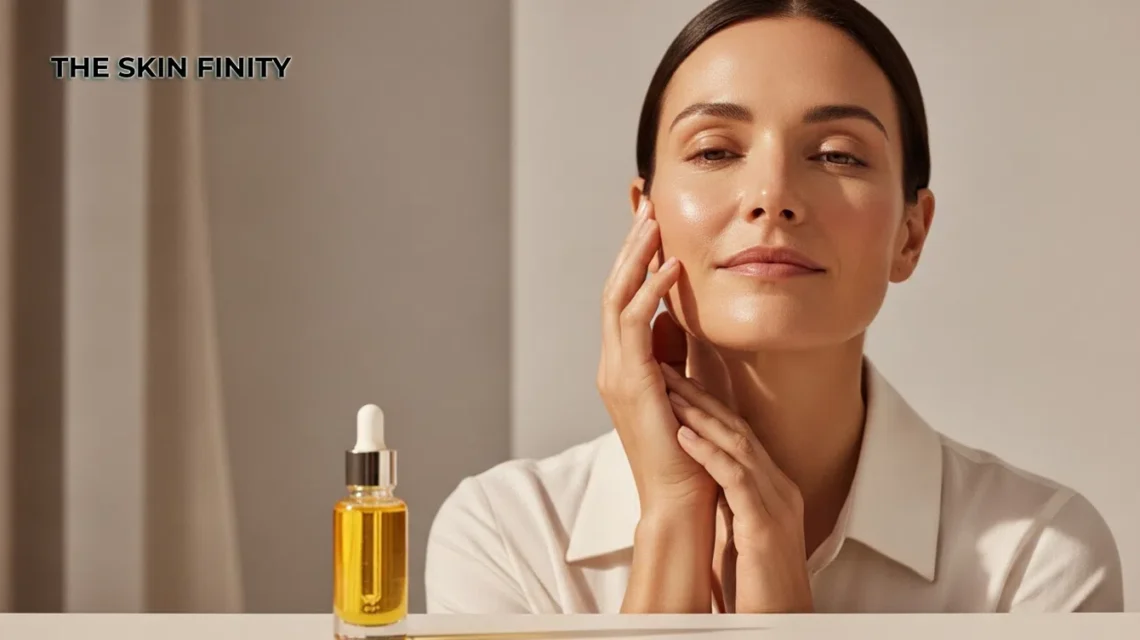
 The Skin Finity
 If you have ever tried a skincare regimen with anti-aging benefits, then you probably have heard of retinol It is the gold standard It was the clinically tested, science-backed answer to wrinkles, dark spots and collagen loss — something people thought only needle-based treatments could correct But if you have used retinol it probably hasn’t all been smooth sailing — redness after using it or as your skin progresses through programmed cell death or the infamous “purging” phase that can lead your skin looking worse before getting better.
That was the deal for years—put up with the annoyance or lose the benefits. But what if there was a different choice?
Meet bakuchiol (pronounced buh-koo-chee-ol). Leave-in conditioners you can also use in place of other stylers and creams Nature put out these new buddies that have turned the clean beauty world upside downThis is a kinder retinol alternative with similar results but none of the drama. In October 2023 (cue shocked expressions, we know) & with the ever-increasing desire for non-irritating but still effective products, bakuchiol is one of the natural retinol alternatives that is firmly at the front of the pack in this race alongside pre- and probiotics.
In this guide, we break down every aspect of bakuchiol vs retinol, the complete range of bakuchiol benefits for skin and whether you can ever use bakuchiol while pregnant. You will also discover how to pick an ideal bakuchiol product for your own specific skin type.
What Is Bakuchiol? Meet the Plant-Based Retinol Alternative
Bakuchiol is not a new find as it just recently has been growing in popularity. Babchi (Psoralea corylifolia) and its extract is a potent compound derived from the seeds and leaves of the Babchi plant which has been used in treating various skin ailments in traditional Indian and Chinese medicine for centuries.
Ancient Remedy Emerging as a Skincare Star on the Modern Scene
Ayurvedic Uses:In Ayurvedic medicine, Babchi seeds were regularly ground up in a paste to treat patches of vitiligo and other skin conditions. In the 21st century, scientists began to isolate the active compound in this plant—bakuchiol—and confirm what practitioners have long intuitively known: it is incredibly effective for skin health.
What Makes Bakuchiol a Clean Beauty Ingredient?
Bakuchiol has gained a reputation as a clean beauty ingredient for three reasons:
- Plant-Sourced: Is derived from a sustainable plant source of interest to consumers interested in natural alternatives.
- Vegan-Compatible: Being derived from plants means it’s a retinol alternative that is safe for vegans and women who avoid animal-derived ingredients.
- Sustainable Sourcing: Many contemporary brands choose to focus on ethically sourced bakuchiol, in keeping with eco-conscious ideals.
Notably, bakuchiol is not structurally similar to retinol. Retinol, a synthetic form of vitamin A, and bakuchiol is a meroterpene. Which means it acts via different mechanisms to elicit the same effects as retinol, which is exactly why it provides results similar to retinol but without the classic side effects.
How Does Bakuchiol Work? The Science of Gentle Renewal
Might you be wondering: If bakuchiol is not a retinoid, how does it even work? The response is its specific mode of action.
Activating the Same Receptors, Differently
Instagramable skincare ingredient Bakuchiol has been shown that it binds to the same retinoic acid receptors in your skin as retinol. Yet it does so in a manner that elicits a lesser inflammatory reaction. This tells your skin to increase its cell turnover and collagen production, but it doesn’t ring alarm bells like irritation.
The Key Actions of Bakuchiol
- Collagen-boosting action – It stimulates fibroblast activity, filling the skin from underneath and making it more elastic.
- Speeds Up Cell Turnover: It exfoliates, which means it speeds up the shedding of dead skin cells and reduces fine lines and makes the skin feel smoother.
- Allows Melvoin To: Bakuchiol The activity of the enzyme tyrosinase, which stimulates melanin production. It is with this ability that it can fade hyperpigmentation, sun spots, and post-acne marks very effectively.
- No Purging Phase: Users usually experience no purging thanks to it not speeding up turnover in an aggressive manner. You receive the glow without the breakout stage.
The Antioxidant Advantage
Bakuchiol, unlike retinol, is a strong antioxidant. It neutralizes free radicals-the unstable molecules released as a result of exposure to UV and pollution that speed up the aging process. This implies that bakuchiol is not merely repairing past damage, it is also shielding your skin from future damages.
In addition, it is naturally anti-inflammatory bakuchiol which means the red remedies and calms sensitivity while doing so. It really is a little piece of magic as this dual-action (renewal + soothing) is almost unheard of within the retinoid family.
Bakuchiol Skin Benefits: The More-than-a-Retinol-Dupe
It’s a disservice to call bakuchiol simply a “retinol alternative” So it must be a good substitute for the above but benefits wise, reads to me as a unique ingredient on its own!
Anti-Aging Powerhouse
The main reason most people shop for bakuchiol is its anti-aging effects. Clinical studies have shown that, after 8 to 12 weeks of daily use – most patients experience notable improvement in:
- Fine lines and wrinkles: Especially around the eyes and mouth (bakuchiol for wrinkles)
- Skin Tightening: Improvement in skin elasticity will give your skin a bouncy, spring like feel.
- All-over radiance: A brighter and more even complexion.
Hyperpigmentation & Even Skin Tone
If you have dark spots, melasma or sun damage that really bothers you, bakuchiol is a gentler alternative to harsh professional treatments. It acts to progressively lighten hyper-pigmentation by inhibiting melanin production. Bundled with this makes it an awesome choice if you are looking for bakuchiol for acne or hyperpigmentation without the adverse bleaching action of more aggressive actives.
Acne & Pore Clarity
Due to this, bakuchiol has natural antibacterial properties as well, which will help fight the bacteria that can cause breakouts. Since it regulates cell turnover, it helps prevent dead skin cells from accumulating and blocking pores. And for anyone who has acne-prone skin, it provides a route to better skin without the dryness and irritation of conventional acne-busters.
Antioxidant & Anti-Inflammatory Shield
As we touched upon before, but is important, bakuchiol boasts antioxidants properties that protect everyday against environmental aggressors. At the same time, because of its anti-inflammatory properties, it’s great for anyone with rosacea or eczema or general sensitivity. It also works to actively soothe the skin, providing a more balanced overall ecosystem while its at it.
Hydration & Barrier Support
Retinol is known to cause one of the most annoying side effects: it damages your skin barrier, causing transepidermal water loss (aka, tight dehydrated skin). It doesn’t have a barrier stripping effect like some other ingredients do, aka bakuchiol. In fact, many users find they help to keep hydration levels whereby they’ve been a far more comfortable long-term option.
Bakuchiol Vs Retinol: The Better Ingredient For Your Skin
The million-dollar question in skincare circles right now. So without further ado, let’s discuss bakuchiol v retinol in (probably too much) detail to help you decide what is best for your individual skin type.
Bakuchiol vs Retinol at a Glance
| Feature | Bakuchiol | Retinol |
|---|---|---|
| Origin | Plant-based (Babchi seed) | Synthetic vitamin A derivative |
| Irritation Potential | Low (non-irritating) | High (purging, peeling, redness common) |
| Best For | All skin types, especially bakuchiol for sensitive skin | Resilient, non-reactive skin types |
| Pregnancy Safety | Generally considered safe during pregnancy | Not recommended (contraindicated) |
| Photosensitivity | Does NOT increase sun sensitivity | Increases sun sensitivity significantly |
| Results Timeline | Slower but steady (8-12 weeks) | Faster results (4-8 weeks) but with adjustment period |
| Antioxidant Properties | Yes (built-in) | No |
| Anti-Inflammatory | Yes | No (can be pro-inflammatory initially) |
Bakuchiol Versus Retinol for Anti-Aging: An Evaluation Debate
A landmark study published by the British Journal of Dermatology in 2019 pitted bakuchiol against retinol for anti-aging use head-to-head. Over 12 weeks, one group used 0.5% retinol while the other used 0.5% bakuchiol; both groups experienced significant improvements in terms of fine lines, wrinkles and hyperpigmentation. Retinol users experienced significantly more peeling and stinging from its use than with bakuchiol use.
Conclusion? Bakuchiol may be as effective at anti-ageing as retinol but with far fewer side effects and discomfort. [Is Bakuchiol Better Than Retinol]
Are bakuchiol and retinol both suitable options? That depends on your skin and goals.
Bakuchiol is unquestionably the superior option for sensitive skin, pregnancy or beginners; no question about it!
Retinol may provide faster results; however, bakuchiol can be used on alternate days or mornings as an effective supplement that will bring additional boost without overburdening your skin.
Bakuchiol’s natural origin makes it the go-to option for clean beauty enthusiasts seeking an effective plant-based retinol alternative.
At the core, it’s about finding what best meets your skin’s needs, not competition between different ingredients. Many dermatologists now suggest taking an integrated approach and using both ingredients strategically for best results.
Is Bakuchiol Safe? Addressing Pregnancy, Sensitivity & Myths.
Safety should always be the top priority when it comes to skincare ingredients, and bakuchiol has come under close examination from medical experts during pregnancy as a possible replacement for retinol. At present, there have been no confirmed reports that link Bakuchiol and preterm labor.
Are You Pregnant and Wondering if Bakuchiol Is Safe During Pregnancy? One of the most frequently searched-for questions relates to whether retinoids, like Retinol and Isotretinoin are Safe during Pregnancy; due to risk of birth defects associated with high dose oral retinoids like Isotretinoin as well as precaution against topical forms (like Bakuchiol) should not be taken during gestation.
Bakuchiol differs significantly from retinoids in terms of both chemical structure and mechanism of action, making it an attractive option for pregnant and breastfeeding individuals as it does not cause teratogenic risks associated with vitamin A derivatives. Leading dermatologists now recommend it widely as an anti-acne treatment.
Before adding anything new to your routine during pregnancy, always consult with an obstetrician or healthcare provider first. Bakuchiol for Sensitive Skin: A Perfect Match
Finding effective anti-aging ingredients for those living with rosacea, eczema or simply reactive skin may seem impossible at times. Bakuchiol offers the perfect gentler alternative to retinol that allows even sensitive skin types to reap the benefits of collagen stimulation and cell renewal without experiencing irritation from active ingredients such as Retinol. With Bakuchiol as your nonirritant anti-ageing solution you can put an end to any discomfort from active products that sometimes accompany active ones!
Does Bakuchiol Cause Irritation?
Dosage levels of pure bakuchiol at effective concentrations tend to be well-tolerated by users, even at effective concentrations. Any instances where irritation does arise usually result from other components in a formulation such as essential oils or high concentrations of acids; or individual sensitivities or allergies. Pure bakuchiol itself has proven remarkably safe.
Photosensitivity: An Essential Difference
One of the major advantages of bakuchiol is that it is a nonphotosensitive alternative to retinol, meaning it will not make your skin more vulnerable to UV rays and you can safely incorporate it into your morning skincare regimen without increasing sun sensitivity. But this does not negate the necessity for daily sunscreen; sunscreen remains an integral component of any successful anti-aging strategy, regardless of what other products are included in it.
How to Use Bakuchiol Serum: A Beginner’s Guide for Application
No matter your level of skincare expertise, adding Bakuchiol into your regimen is effortless and accessible to anyone. Thanks to its non-photosensitive formula, bakuchiol can be applied both morning and evening without fear of photosensitivity issues.
Morning Routine: Wash, Tone (if applicable), Apply Bakuchiol Serum and Moisturize before protecting with SPF 30+ sunscreen for optimal skin health!
Evening Routine: Prick and double cleanse; tone; apply Bakuchiol serum
and follow with a richer night cream or facial oil for best results.
Bakuchiol serums tend to be lightweight and absorb quickly, making them easy to layer under other products. What Percentage of Bakuchiol Is Effective?
As with any purchase decision, this question should be carefully considered when shopping for serums. Clinical studies have demonstrated efficacy at concentrations ranging from 0.5% to 1%; most users find 1% bakuchiol to be ideal as it provides visible results without risk of irritation. If you are new to skincare or have extremely sensitive skin, starting off with 0.5% formulas could be wise.
Can You Combine Bakuchiol and Retinol?
Can Bakuchiol Be Used with Retinol? Absolutely – and for many it can be transformative!
A Retinol Sandwich”: If you are trying to build up your tolerance to retinol, applying a layer of bakuchiol serum between applying your retinol and moisturizer can help buffer its impact and minimize irritation while still allowing its effects to come through.
AM/PM Split: Take Bakuchiol in the morning and Retinol at night to take advantage of both their antioxidant protection and potency renewal properties. This way you’ll benefit from both products during their respective active times.
Bakuchiol for Beginners: How to Start
Start slowly if you’re new to active skincare; go step-by-step.
Patch Test: Apply a small amount to the inner arm for several days to check for any adverse reactions.
Start Slow: For two weeks, only use your bakuchiol serum every other night until all signs point towards success. In this instance, listen closely for any indications from your skin before increasing to nightly use if appropriate.
Be Patient: Keep in mind that bakuchiol works gradually. Allow at least 8 weeks to see noticeable improvements.
Layering with Other Actives
Bakuchiol is extremely compatible when mixed with other ingredients. It works particularly well when used alongside:
Vitamin C provides antioxidant boost, Hyaluronic acid hydrates the body, Niacinamide supports barrier function, while Peptides aid collagen building.
Only when using strong AHAs/BHAs at once should bakuchiol be combined in your routine; until you know how your skin reacts. Exfoliating acids should be used first thing in the morning while using bakuchiol at night or on alternate days for optimal results.
How to Choose the Most Appropriate Bakuchiol Serum
With the rapid increase in popularity of bakuchiol products, there are now an overwhelming variety of choices on the market. Knowing what to look for will ensure you purchase one with real results that delivers high-quality. Here’s What You Should Consider Before Selecting a Bakuchiol Serum
Effective Percentage: Look for serums clearly displaying 0.5% to 1% bakuchiol concentration as this will ensure maximum effectiveness. Avoid products where this ingredient appears at the bottom of their ingredient list as its concentration may not be sufficient enough.
Clean Formulations: If you have sensitive skin, choose serums without unnecessary irritants such as drying alcohols, synthetic fragrances and essential oils that could aggravate its condition.
Supportive Ingredients: For maximum effectiveness, the ideal formulations pair bakuchiol with complementary ingredients such as soothing squalane, hydrating hyaluronic acid, barrier-supportive niacinamide or collagen-boosting peptides.
Brand Transparency: When shopping for brands, look for those which provide open information regarding sourcing, percentages and clinical testing. Reputable companies will share this info readily.
Bakuchiol Serum for Different Skin Types
For Dry or Dehydrated Skin: For optimal anti-aging and moisture, choose a bakuchiol serum suspended in an oil-based or squalane base to get maximum anti-ageing benefits without losing hydration. Aim for something that feels rich yet absorbent – an Optimum skincare experience requires both anti-ageing benefits as well as keeping skin hydrated!
When shopping for sensitive or reactive skin, look for serums with minimal ingredient lists – without fragrances and essential oils – and added soothing ingredients like centella asiatica or allantoin which will help calm and comfort the skin.
Oily or Acne-Prone Skin:
Choose lightweight gel-based bakuchiol serums that won’t weigh down or clog pores; these formulas absorb quickly and layer easily under moisturizer.
For Mature Skin (Ages 50+):
When selecting an anti-acne regimen for mature skin (ages 50+), choose an intensive formula with ingredients and peptides to provide firming and hydration benefits. An option might include Bakuchiol night cream or oil combining its active with deeply hydrating ingredients and peptides for targeted firming and hydration benefits.
Beginners: For optimal results, begin with a lower concentration (0.5%) in an easy, straightforward formula to allow your skin to adjust gradually before potentially transitioning to stronger products. Tailor Bakuchiol to Your Needs
One of bakuchiol’s greatest strengths lies in its adaptability. This versatile product can accommodate practically every skin concern imaginable.
Apply Bakuchiol for Mature Skin (Ages 50+).
Mature skin requires targeted efforts to increase elasticity and reduce deep wrinkles. Pairing quality bakuchiol serum with a rich moisturizer containing ceramides and peptides for best results; its gentle nature ensures it won’t compromise already-thin mature skin.
Bakuchiol Is Great for Acne-Prone Skin
If you suffer from breakouts but cannot tolerate harsh acne treatments, bakuchiol could be your perfect solution. Its antibacterial properties help clear active acne quickly while its cell-regulating function helps prevent future clogs. Furthermore, since it helps fade hyperpigmentation it will gradually erase dark spots left by past breakouts.
Bakuchiol for Beginners (Ages 20-30).
Prevention is key in your 20s and 30s. Starting off right with gentle ingredients like bakuchiol can help build collagen while protecting skin health without upsetting its delicate balance – an ideal introduction for those intimidated by stories about retinol’s harsh side effects.
Bakuchiol for Melasma/Hyperpigmentation
Bakuchiol’s tyrosinase-inhibiting properties make it an invaluable solution for those dealing with persistent dark patches, as it works slowly but steadily to even out skin tone, providing a safer long-term option than hydroquinone or high-strength retinoids.
Frequently Asked Questions (FAQs) (FAQs):
1. What Is Bakuchiol? Bakuchiol is a plant-derived compound derived from Babchi plant seeds. It’s used as a natural alternative to Retin-A, providing anti-ageing and skin smoothing properties and making for a sustainable beauty ingredient.
2. Is Bakuchiol Safe during Pregnancy? mes According to dermatologists, bakuchiol during pregnancy is generally considered safe due to not being a retinoid. However, before adding any new product during gestation it’s always a good idea to consult your healthcare provider for their opinion on any change that might affect you or your baby.
3. Does bakuchiol work like retinol? Yes, it produces similar effects by stimulating collagen production and cell turnover without causing irritation, peeling, or purging of the skin.
4. Bakuchiol or Retinol? The answer depends on your skin. Bakuchiol may be better for sensitive, pregnant and newly active skin types while Retinol may deliver faster results for resilient skin types looking for faster results – many people use both.
5. Can Bakuchiol and Retinol Work Together? Absolutely. One of the most frequently asked questions is “can I combine bakuchiol with retinol,” and yes – these products may be used together or at different times of day (e.g. bakuchiol in the morning, Retinol at night).
6. How should I use Bakuchiol serum? W e recommend applying two to four drops to clean, dry skin once or twice per day after cleansing and toning, in conjunction with moisturizer and sunblock in the morning for best results.
7. What percentage of Bakuchiol should I take? Clinical research supports that 0.5% to 1% is optimal for visible results.
8. Does Bakuchiol cause irritation? Rarely. This anti-aging and anti-inflammatory formula has earned a reputation for not causing irritation to even sensitive skin types, making it suitable even for the most reactive individuals.
9. Bakuchiol for Acne or Hyperpigmentation? Yes, bakuchiol can help both acne and hyperpigmentation. Its antibacterial properties help treat acne while its melanin-inhibiting action helps fade hyperpigmentation.
10. How long does Bakuchiol work? Most individuals should see noticeable improvement within 4-8 weeks, although for maximum anti-ageing benefits like wrinkle reduction, continuous usage for 12 weeks is advised.
11. Can Bakuchiol replace Retinol for sensitive skin types? Yes. Bakuchiol offers a much gentler option that makes it the superior choice when treating reactive skin.
12. Can I Use Bakuchiol Under My Eyes? Yes, Bakuchiol is gentle enough for use around your delicate eye area and specifically designed eye creams are best to achieve results. With Bakuchiol Anti-Aging Products Gentle is the Future
The beauty industry has traditionally operated under a “no pain, no gain” philosophy when it comes to anti-aging solutions like Retinol; those unable to tolerate its usage simply were left out in the cold. Bakuchiol has challenged this paradigm.
Bakuchiol proves that you don’t have to choose between efficacy and comfort when it comes to skin care products. From pregnancy-safe formulations for sensitive skin types and pregnancy to clean beauty ingredient formulas that prioritize nature-backed ingredients – Bakuchiol delivers on its promises, providing radiant youthful skin while remaining kind to skin.
As you create your skincare regimen for 2026 and beyond, give bakuchiol its rightful place. Your skin and your mental wellbeing will thank you.
Have you tried Bakuchiol yet? Share your experience! Leave us a comment below with how bakuchiol worked for your skin or any questions about how you can incorporate it into your routine. Don’t forget to subscribe to The Skin Finity newsletter for more science-backed skincare insights right into your inbox!

 The Invisible Architects: How Your Hormones Dictate Your Skin’s Health, Glow, and Age
  Understanding Skin Texture: Smooth vs. Rough and How to Improve It
  Building a Minimalist Skincare Routine for Busy Professionals
  The Science of Skin Aging: What Happens as You Get Older
  Sunscreen is Non-Negotiable: A Simple Guide to SPF for Your Face