
 The Skin Finity
 Ever felt a jolt of fear at the word “acid” in your skincare? You’re not alone. The world of facial acids and skincare acids can seem intimidating, conjuring images of harsh chemicals and peeling skin. But what if we told you these potent ingredients are some of the most transformative, science-backed tools for achieving healthy, radiant skin?

Let’s clear the confusion right now: when formulated correctly and used wisely, acids for face are not something to fear. They are gentle editors, meticulously working to refine, renew, and rehydrate your complexion. This beginner’s guide will demystify the three most talked-about categories: Alpha Hydroxy Acid (AHA), Beta Hydroxy Acid (BHA), and Hyaluronic Acid. We’ll answer the core question, “what does acid do to your skin?” and equip you with the knowledge to choose and use them safely, unlocking their remarkable benefits of hyaluronic acid and beyond.
Demystifying Facial Acids: What Are They & What Do They Actually Do?
The Big Question: What Does Acid Do to Your Skin?
At its heart, the world of acid exfoliation is about communication and renewal. Our skin naturally sheds dead cells, but this process slows with age, pollution, and sun exposure, leading to a dull, rough, or congested complexion. This is where exfoliating acids for face like AHAs and BHAs step in. They work at a skin-friendly acidic pH to gently “unglue” the bonds holding dead skin cells together, encouraging a faster, more even cell turnover. The result? Fresher, smoother, brighter skin is revealed underneath. It’s like giving your skin a fresh, blank canvas.
Crucially, not all acids exfoliate. Hyaluronic acid plays a completely different role. It’s a humectant—a moisture magnet—that can hold up to 1,000 times its weight in water. Its job is to hydrate, plump, and support the skin’s moisture barrier, making it a perfect partner to exfoliating acids.
Are Facial Acids Safe for Beginners?
Absolutely. Safety begins with education. The key is to respect their potency. Starting with low concentrations, performing a patch test, and integrating them slowly into your routine (the “low and slow” method) makes them exceptionally safe for most skin types. Yes, there can be side effects of face acids, such as temporary redness, dryness, or a period of “purging” (where deep congestion comes to the surface faster), but these are often manageable with the right approach. The goal is informed confidence, not caution born of fear.
Meet the Exfoliators: AHAs vs. BHAs Explained
Understanding the difference between AHAs and BHAs is the cornerstone of your beginner guide to facial acids. This essential AHA vs BHA for beginners comparison will help you pick the right tool for your skin’s needs.
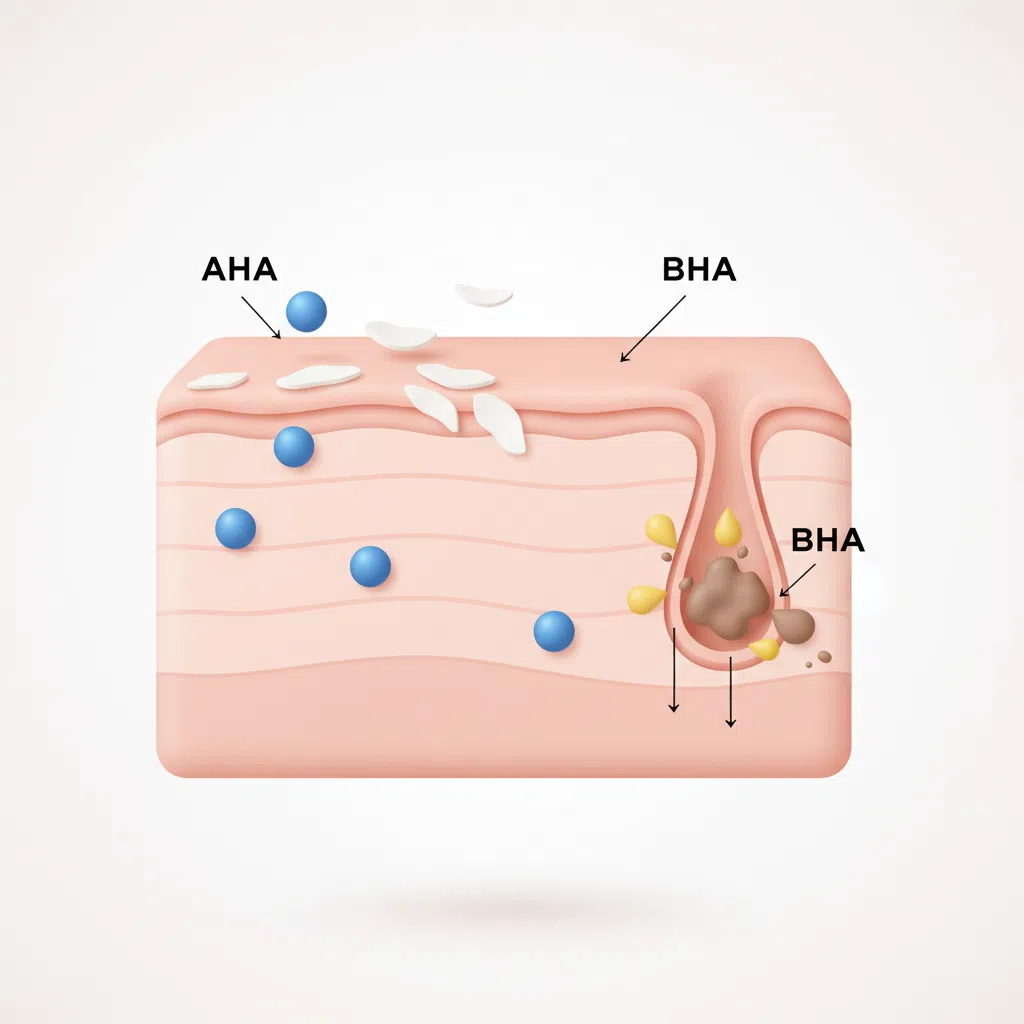
Alpha Hydroxy Acid (AHA): The Surface-Level Refiner
What it is: Water-soluble acids that work primarily on the surface of the skin.
Key Benefits: They excel at combating dullness, improving skin texture and tone, smoothing fine lines, and fading surface-level hyperpigmentation like sun spots.
Best For: Normal, dry, combination, or sun-damaged skin concerned with texture, luminosity, and signs of aging.
Common AHA Types Explained:
- Glycolic Acid: Derived from sugar cane, it has the smallest molecule size, allowing for deeper penetration. It’s potent and effective for refined texture and glow. Best for: Those with normal to oily, non-sensitive skin seeking significant renewal.
- Lactic Acid: Sourced from milk (or fermented synthetically), its molecule is larger, making it gentler. It provides mild exfoliation while also enhancing hydration. Best AHA for sensitive skin and an ideal gentle acid for first time users and those with dry skin.
How to use AHAs on face: Typically used in serums, toners, or peels. Always apply in the evening, follow with a moisturizer, and mandate sunscreen use the next morning, as AHAs increase sun sensitivity.
Beta Hydroxy Acid (BHA): The Pore-Deeper Cleaner
What it is: Oil-soluble acids (primarily Salicylic Acid) that can penetrate into the pore lining.
Key Benefits: They exfoliate inside the pore, dissolving the mix of sebum and dead skin cells that cause clogs. This makes them anti-inflammatory, antibacterial, and the gold standard for treating and preventing acne, blackheads, and whiteheads. The BHA benefits for acne prone skin are unparalleled.
Best For: Oily, acne-prone, and combination skin with concerns around congestion, enlarged pores, and blackheads.
The Star Player: Salicylic Acid
So, what does salicylic acid do to your face? Think of it as a deep-cleaning pore detoxifier. It gets inside, breaks up the “glue” of clogs, and calms inflammation, making it exceptional for treating active pimples and preventing future ones.
How to Use BHAs: Can be used in cleansers (for a short-contact therapy), toners, serums, or spot treatments. Frequency varies; beginners should start 1-3 times per week.
AHA vs BHA: Quick-Reference Comparison Chart
| Feature | AHA (Alpha Hydroxy Acid) | BHA (Beta Hydroxy Acid) |
|---|---|---|
| Solubility | Water-Soluble | Oil-Soluble |
| Primary Action | Exfoliates Skin Surface | Exfoliates Inside Pores |
| Best For | Dullness, Texture, Fine Lines, Dryness | Acne, Blackheads, Oiliness, Congested Pores |
| Key Ingredients | Glycolic Acid, Lactic Acid, Mandelic Acid | Salicylic Acid |
| Considerations | Increases sun sensitivity. | Can be drying; best for oilier skin types. |
This chart clarifies the core AHAs BHAs hyaluronic acid differences, helping you understand the types of acids in skincare explained simply.
The Hydration Hero: Hyaluronic Acid (The Acid That Isn’t an Exfoliant)
Let’s be clear: Is hyaluronic acid an exfoliant? No. It belongs to a different class altogether and is a must-have in any hydrating routine.

How Does Hyaluronic Acid Work on Skin?
Hyaluronic Acid (HA) is a sugar molecule naturally found in our skin. Its superpower is being a phenomenal humectant. Acting like a microscopic sponge, it draws water from the environment and the deeper layers of your skin, binding it to the surface. This process hydrates, plumps, and fills the spaces between skin cells and collagen fibers, leading to a smoothed, dewy, and youthful appearance.
The Multifaceted Benefits of Hyaluronic Acid
The benefits of hyaluronic acid are vast and universal:
- Intense, Multi-Depth Hydration: Attracts and retains critical moisture.
- Visibly Plumps Skin: Temporarily smooths fine lines and wrinkles by filling them with water.
- Improves Skin Elasticity & Texture: Supports the skin’s structural matrix.
- Strengthens the Barrier: Well-hydrated skin is more resilient.
- Suitable for ALL Skin Types: From the oiliest to the most dry skin beginners.
When considering hyaluronic acid vs other moisturizers, remember: HA is a hydrator. It needs to be paired with an emollient (like squalane) and/or an occlusive (like shea butter or a moisturizing cream) to seal that water in, especially in dry climates.
Choosing & Using Hyaluronic Acid Products
Hyaluronic acid products come in serums, creams, and even cleansers. A hyaluronic acid serum is often the most potent and direct delivery method. For optimal results, apply your HA serum to slightly damp skin after cleansing, then immediately follow with your moisturizer to lock everything in. Look for products that list “sodium hyaluronate” (a smaller, penetrating form) or multiple molecular weights for hydration at different skin depths.
Building Your Routine: A Beginner’s Guide to Using Facial Acids
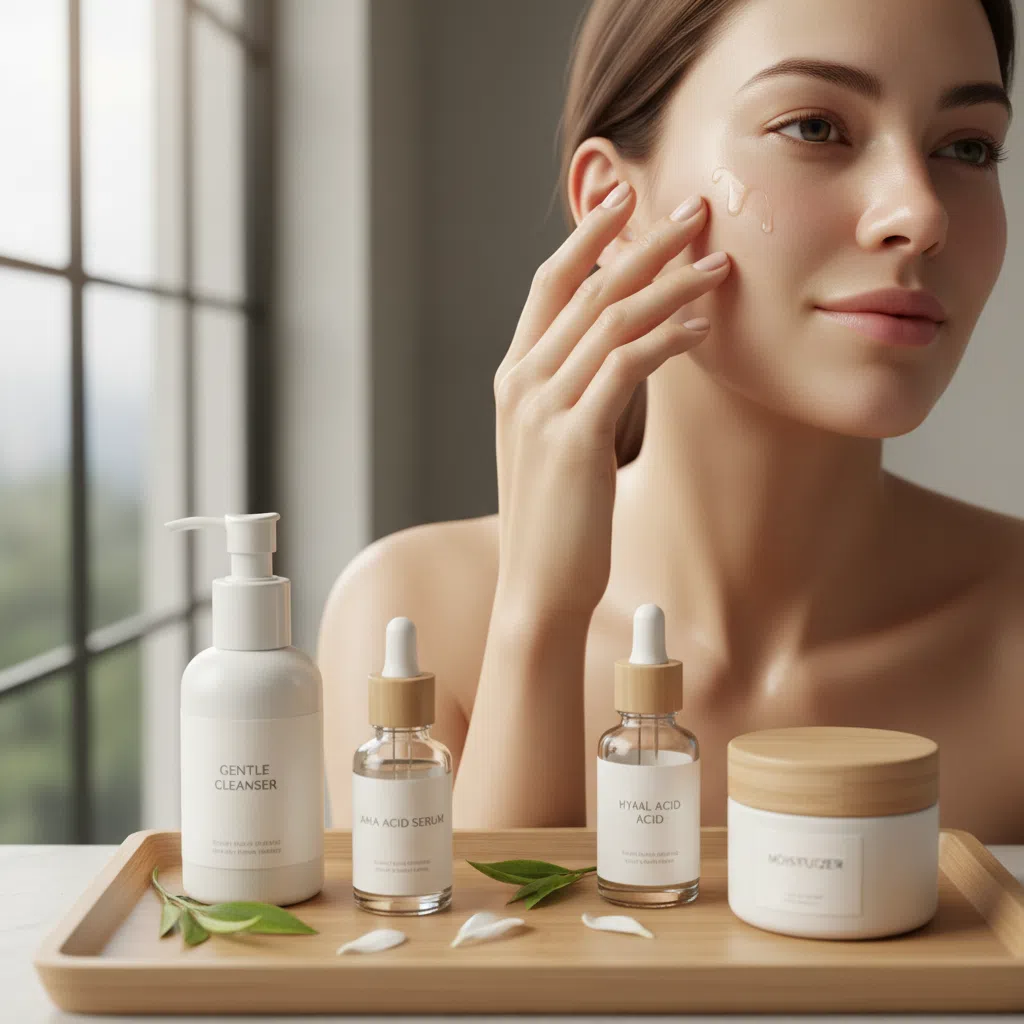
How to Choose Acids for Your Skin Type?
This is the most crucial step. Matching the right acid for face to your primary concern is the path to success.
- Dry, Dull, or “Crepey” Skin: Start with a gentle AHA like Lactic Acid to exfoliate and hydrate, paired daily with Hyaluronic Acid.
- Oily, Acne-Prone, or Congested Skin: BHA (Salicylic Acid) is your champion. Use it to clear pores and control oil. Hyaluronic Acid can still be used to provide lightweight hydration without clogging pores.
- Combination Skin: You can use BHA on the oily T-zone and a gentle AHA on drier cheeks. Alternatively, use a mild AHA all over or alternate between AHA and BHA nights.
- Sensitive Skin: Proceed with caution. Start with very low-concentration Lactic Acid or Mandelic Acid (an AHA) and always pair with soothing, barrier-supporting ingredients like Hyaluronic Acid and ceramides.
- Aging or Sun-Damaged Skin: Glycolic Acid (AHA) can be highly effective for texture and tone. Always support with HA for plumping and a robust moisturizer.
Which acid is best for glowing skin? For a glow from exfoliation, choose an AHA. For a glow from deep hydration and plumping, choose Hyaluronic Acid. Often, a combination yields the most luminous results.
The Golden Rules: Starting Safely with Acids
- Patch Test: Apply a small amount behind your ear or on your inner arm for 3-5 days to check for adverse reactions.
- Start Low & Slow: Begin with the lowest concentration (e.g., 5% AHA or 0.5-1% BHA) once or twice a week, only at night.
- One at a Time: Never introduce multiple new facial acids (or other actives like retinol) simultaneously.
- Sunscreen is Non-Negotiable: Acid exfoliation makes skin more photosensitive. Daily broad-spectrum SPF 30+ is mandatory.
- Listen to Your Skin: If you experience stinging, burning, or significant peeling, scale back frequency or take a break.
Can You Mix AHAs and BHAs?
For beginners, it’s best to avoid mixing separate AHA and BHA serums in one routine, as this can increase irritation risk. Advanced users may use them at different times (e.g., AHA one night, BHA another) or seek out professionally formulated blends. The safest and most recommended pairing for everyone? Combining your chosen exfoliating acid (AHA or BHA) with Hyaluronic Acid and a good moisturizer.
Are Facial Acids Safe for Daily Use?
It depends. Hyaluronic acid is absolutely safe and beneficial for daily use, even twice a day. For exfoliating AHAs and BHAs, daily use is generally not recommended for beginners and can compromise the skin barrier. Most people find their sweet spot at 2-4 times per week, depending on the acid strength and their skin’s tolerance. The question of facial acids safe for daily use is best answered by your own skin’s response over time.
Navigating Potential Side Effects & Maximizing Results
What to Expect: The “Purging” vs. “Irritation” Difference
- Purging: A short-term (4-6 week) reaction where existing, trapped congestion accelerates to the surface. Breakouts are usually small (blackheads, whiteheads) and appear in areas where you typically get them. This is a sign the product is working.
- Irritation: Redness, burning, itching, peeling, or unusual breakouts in new areas. This is a sign you’re overdoing it—your skin barrier is compromised.
How to Soothe and Recover if You Overdo It
If irritation strikes, don’t panic. Immediately stop all actives (facial acids, retinols, vitamin C). Switch to a gentle, hydrating routine: a mild cleanser, a hyaluronic acid serum, a simple moisturizer with ceramides, and sunscreen. Give your skin a few days to a week to recover fully before slowly reintroducing one active at a much lower frequency.
Your Confident Journey with Facial Acids Starts Now
The world of AHAs, BHAs, and Hyaluronic Acid is a powerful ally in your skincare journey. AHAs refine the surface for radiance, BHAs dive deep to clear congestion, and Hyaluronic Acid masterfully hydrates and plumps. Remember, the goal is not to use the strongest acid, but the smartest one for your unique skin. Armed with this knowledge on what acid does to your skin, you can now explore these ingredients with confidence, not caution. Start slowly, listen to your skin, celebrate the small wins, and watch as your complexion transforms into its clearest, most glowing version.
Frequently Asked Questions (FAQ)
1. What is AHA in skincare?
Alpha Hydroxy Acids (AHAs) are water-soluble chemical exfoliants, such as glycolic and lactic acid, that work on the skin’s surface to slough off dead cells, improving texture, brightness, and the appearance of fine lines and sun damage.
2. What is BHA good for?
Beta Hydroxy Acid (BHA), primarily salicylic acid, is excellent for treating acne-prone, oily, and congested skin. Its oil-soluble nature allows it to exfoliate inside pores, dissolving sebum and debris to clear and prevent blackheads and breakouts.
3. How does hyaluronic acid work on skin?
Hyaluronic acid is a powerful humectant that attracts and binds water molecules to the skin’s surface. This intense hydration plumps the skin, smooths the look of fine lines, and improves overall skin texture and elasticity.
4. Are facial acids safe for beginners?
Yes, when chosen correctly for your skin type and introduced gradually. Beginners should always start with low concentrations, perform a patch test, use acids infrequently (1-2x/week), and pair them with sunscreen and hydrating ingredients like hyaluronic acid.
5. What are the side effects of face acids?
Common, temporary side effects can include mild tingling, redness, dryness, and flaking. “Purging” (small breakouts) is also possible initially with exfoliating acids. Severe stinging, burning, or peeling indicates overuse or sensitivity.
6. Salicylic acid vs glycolic acid: which should I use?
Use salicylic acid (BHA) if your main concerns are oily skin, acne, blackheads, and congested pores. Use glycolic acid (AHA) if your main concerns are surface dullness, uneven texture, fine lines, and hyperpigmentation.
7. Can I use hyaluronic acid with AHA or BHA?
Absolutely. In fact, it’s highly recommended. Apply your AHA or BHA exfoliant first (on dry skin), let it absorb, then layer hyaluronic acid serum and a moisturizer. This combo exfoliates and then deeply hydrates and soothes the skin.
8. Which acid is best for glowing skin?
For a glow from exfoliation, AHAs like glycolic or lactic acid are superb. For a hydrated, plump, dewy glow, hyaluronic acid is key. A combination of both (used correctly) often yields the most radiant, healthy-looking skin.
9. How do I choose the best AHA for sensitive skin?
Look for larger-molecule, gentler AHAs like lactic acid or mandelic acid. Start with very low concentrations (5% or less) in a well-formulated product that includes soothing ingredients, and strictly limit use to 1-2 times per week.

 Skin Pore Truths: Can You Really Shrink Pores or Just Minimize Their Appearance?
  How to Read a Skincare Ingredients List: A Beginner’s Cheat Sheet (and Stop Guessing at the store)
  Korean 10-Step Skincare Routine: Is It Worth It or Overkill for Beginners?
 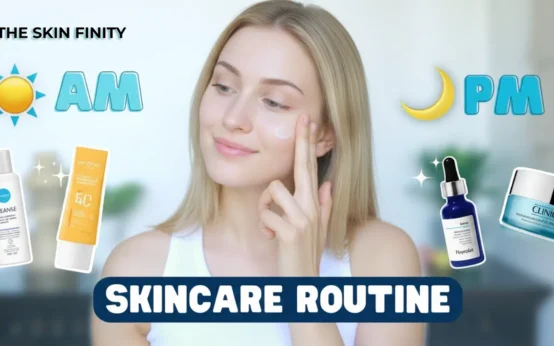 AM vs. PM Skincare Routine: What’s the Difference and Why It Matters (Your Complete Guide)